Community Corner
MA Black Bears Are Active — And Hungry. Here's What To Know
A poor acorn crop in 2021 may mean more bear sightings in Worcester and Middlesex counties, state wildlife officials are warning.


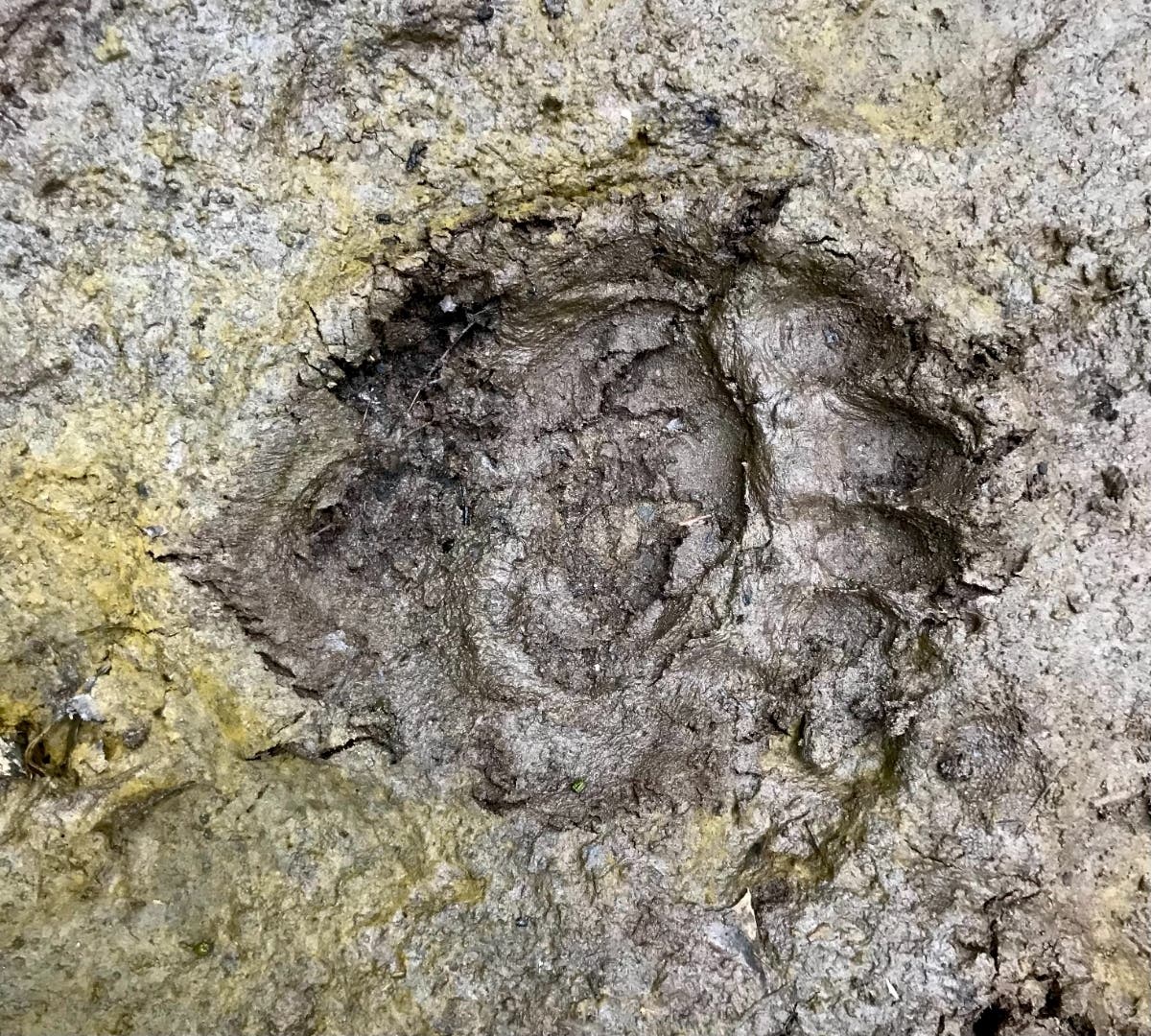
WORCESTER, MA — The bears are back in town. Actually, that all depends on what's in your yard.
MassWildlife officials recently alerted state residents that black bears are beginning to emerge across Massachusetts from their winter dormancy. They're only out for one thing: food.
And in 2022, bears may be more prone to visit your backyard if you leave out treats that bears love, like bee hives, a full birdfeeder or just a bag of trash. That's because there was a bad hard mast crop (think acorns and other tree nuts) last fall, leaving fewer high-calorie treats on the ground for bears to grab.
Find out what's happening in Worcesterfor free with the latest updates from Patch.
"If you live in northern Middlesex County, Worcester County, western Massachusetts, or other areas where bears have been spotted, it's time to take down your bird feeders," MassWildlife said in a March 3 bulletin. "Bears will often ignore seasonally available natural foods including skunk cabbage in favor of an easy meal at a backyard bird feeder."
Here's what to know about black bears, and how to prevent unwanted encounters in your backyard and elsewhere.
Find out what's happening in Worcesterfor free with the latest updates from Patch.
Black or brown bear?
Only black bears live in Massachusetts. But black bears (the species) can have brown fur, which can be confusing because grizzly bears are also called brown bears. A good way to tell the two types apart is by looking at the shoulders. Grizzlies have a hump, black bears don't.
But you don't have to worry about knowing the difference, unless you're headed to Montana. Grizzly bears do not live anywhere near New England — the closest population is 2,300 miles away in Yellowstone National Park. Grizzly bears were almost hunted to extinction by settlers and trappers in the 18th and 19th centuries, but their historic range only went as far east as the Mississippi River, anyway.
Black bear territory
In Massachusetts, black bears have historically been mostly at home west of Worcester. But bears have been seen farther east in recent years, with some appearing in communities east of I-495, including Wayland, Sudbury, Framingham, Marlborough and Hopkinton. State wildlife officials believe there are about 4,500 black bears statewide.
What do they want?
Food. In spring, bears are feasting on emerging plants, but they switch to ripe berries in summer, and then tree bark and nuts in autumn.
Apart from natural food sources, the omnivores will eat pretty much anything that smells good. Backyard bird feeders and trash are two major food sources. A single bird feeder or suet block can provide thousands of nourishing calories — and bears will go for it even if they need to walk across your deck.
Other food sources include pet food, grills that haven't been cleaned, compost, bee hives and sometimes backyard chickens.
'To avoid these problems, MassWildlife asks property owners to be proactive by removing bird feeders and other potential food sources including garbage or open compost," officials say.
Fed bear, dead bear
It might be thrilling to see a bear in your yard, but it's very dangerous for them to get used to humans. Bears that spend a lot of time in urban areas are at higher risk of being hit by a car or dispatched by police.
Look no further than the story of Mink, a New Hampshire bear who kept returning to a town to feast on doughnuts supplied by a local resident. A driver hit and killed Mink in 2020, and she left three cubs behind.
Are they dangerous?
Experts say black bears, in most cases, will try to avoid contact with humans. Out in the woods, they use their powerful noses and keen hearing to get far away long before you'd ever see them. They will almost always do the same in an urban area.
Black bears can be dangerous. In very rare cases, humans have been killed by them — about 61 fatalities since 1900. If you encounter one on a trail, it's best to slowly back away while talking in a calm voice and avoiding eye contact. Unlike grizzly bears where the advice is to play dead, experts advise fighting back if a black bear does attack. And black bear mothers are not more likely to attack if cubs are nearby — just the opposite, according to the North American Bear Center.
In your backyard, hazing the bear by making loud sounds can be an effective deterrent.
What now?
The best way to keep yourself and bears safe is to remove food sources from your backyard, and keep your distance if you see one. As the season moves on, so will the bears.
"A bear's first response to something unusual is to leave," according to MassWildlife. "If a bear is feeding in an area where it doesn't belong, such as your yard, on a porch, or in a dumpster, step outside, yell, and make lots of noise. The bear will usually leave — accompanied by its young."
Get more local news delivered straight to your inbox. Sign up for free Patch newsletters and alerts.