Neighbor News
ICE Hiring Push Produces Predictable, Perilous Results
Lower recruitment standards, hurried background checks, and less training = Minneapolis, Portland, and More Casualties
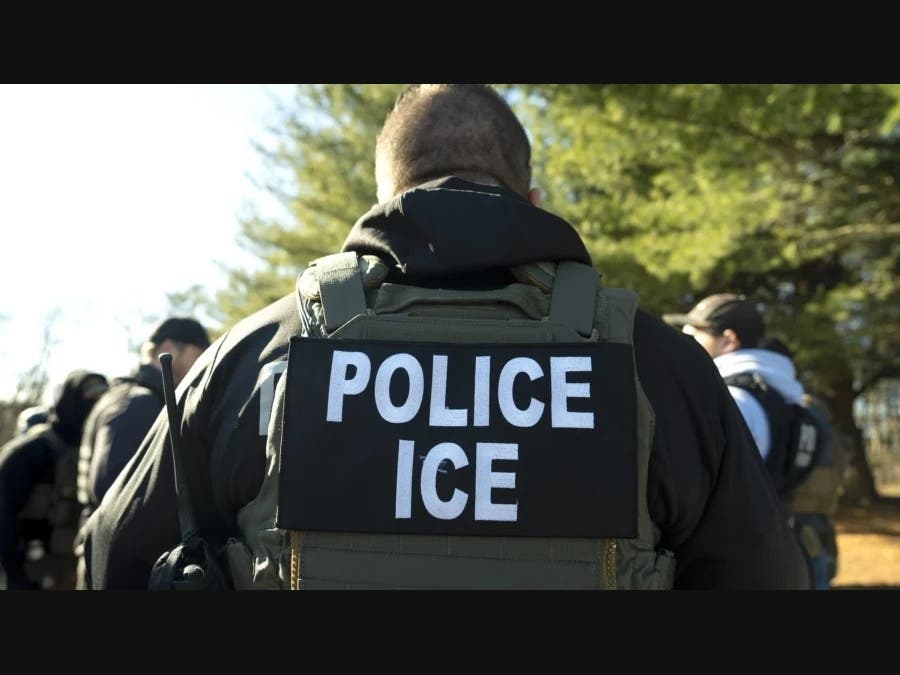

On January 3, U.S. Immigration and Customs Enforcement (ICE) issued a triumphant press release announcing it "blew past its original hiring target of 10,000 new officers and agents within a year... In fact, it has more than doubled ICE personnel from 10,000 to 22,000."
The 120% increase in ICE's workforce is directly related to the tragic shooting of Renee Nicole Good in Minneapolis; the shooting in Portland two days later underscores the inevitability of future similar incidents.
Rapid workforce increases generally cause organizational chaos; in kinetic professions like the military or law enforcement they are especially disruptive and life-threatening. For example, the rapid buildup of U.S. Army infantry units in 1942-43 was a "significant factor" in high casualty rates among U.S. Army ground forces in North Africa, Sicily, and Pacific Theatre campaigns (per U.S. Army Center for Military History 1991 study).
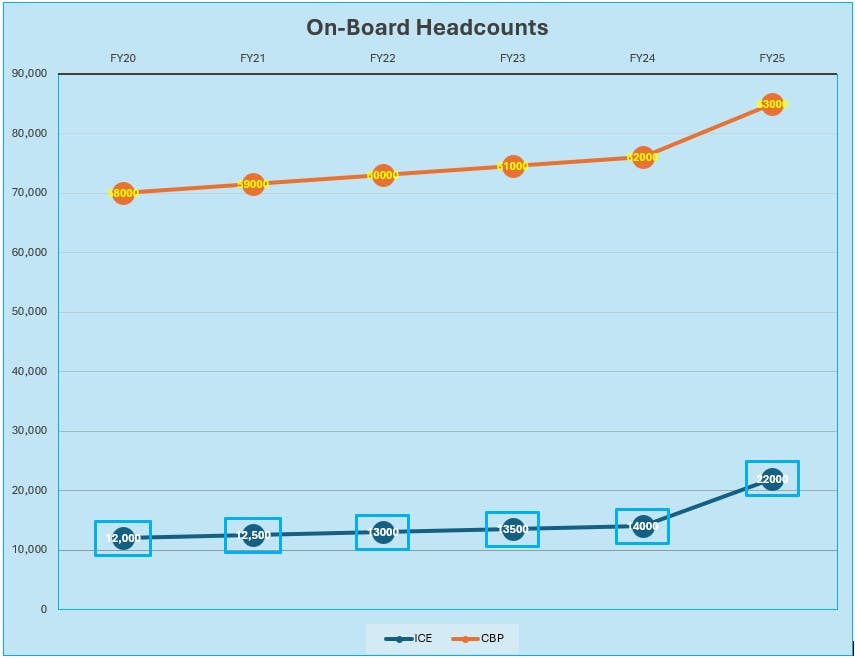
The shootings in Minneapolis and Portland are predictable outcomes of the looser recruitment standards, hasty vetting and screening, and condensed training required to flood the country with new ICE and Customs and Border Patrol (CBP) agents. The chart below shows on-board headcounts (new hires) in both agencies from FY20-25:
- ICE grew at a constant rate of 500 new hires each year from FY20-24; hiring jumped to 8,000 new hires from FY24-25 (57%)
- CBP grew at a constant rate of 1,000 new hires each year
In early 2025, ICE responded to the administration's focus on homeland security, ramping up recruitment by eliminating age limits for applicants and offering signing bonuses of up to $50,000 (among other tactics). The administration's mandate and ICE's wildly successful recruitment efforts generated a flood of applicants which ICE was unprepared to process.
Nevertheless, to meet the administration's timeline, ICE had to get agents in the field, fast. So the agency hastened onboarding, shortened background checks, and reduced training.
Historically, ICE academies were 4-6 months depending on the job (Investigative or Enforcement and Removal Operations). Through mid-2025, the basic academy for new ICE recruits (mostly ERO officers) was about 13 weeks (91 days). Last June, training for new ICE recruits was cut in half--to 47 days across eight weeks.
Lower recruitment standards + hasty background checks + less training = Minneapolis.
Renee Nicole Good was the first casualty of ICE's rapid growth. Add the two individuals shot by CBP agents in Portland. Expect more murder, mayhem, and misrepresentation as these agencies pour poorly vetted and undertrained officers to American cities and streets.
In fact, an internal DHS document obtained by The Washington Post reveals ICE's plan to "invest" $100M this year alone on what it describes internally as a “wartime recruitment” strategy that will engage gun rights supporters and military enthusiasts via online influencers, geo-targeted advertising, and geo-fencing promotions tied to sporting events, gun shows, and military-adjacent spaces.