Politics & Government
Lake Quinsigamond Sewage Spill: Report Details Cause Of Messy Crisis
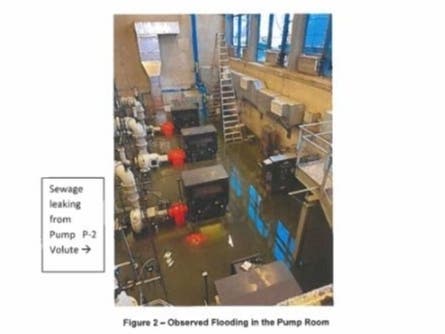
The Lake Avenue pumping station was flooded by sewage in February, leading to a spill that lasted for nearly two days.


WORCESTER, MA — Worcester this week released a report dissecting the causes of the near 6-million-gallon February sewage spill in Lake Quinsigamond, revealing that a broken pump and alarms that went unnoticed were main factors.
The Feb. 6 spill happened when a loose impeller blade cut a 6-inch gash in a pump inside the Lake Avenue station. The pump sprayed untreated sewage into a portion of the station that was supposed to remain dry. The flood destroyed electronic systems, causing the whole facility to shut down and allowing sewage to flow freely into the lake.
The pump ruptured sometime between midnight and 3:30 a.m. that Sunday. Worcester public works employees didn't discover the situation until around 7 a.m.
Find out what's happening in Worcesterfor free with the latest updates from Patch.
"There were a few alarms that dialed out as intended to notify staff int he DPWP Water Operations office, which is manned 24 hours per day. However, these alarms were misinterpreted as inconsequential and pump station operators or contractors were not called in to assess," the report said.
It wasn't until the evening of Feb. 7 — about 36 hours after the emergency began — that the leak was stopped. By then, about 5.75 million gallons of sewage had spilled into the lake.
Find out what's happening in Worcesterfor free with the latest updates from Patch.
To prevent future spills, Worcester has installed a temporary bypass system at the Lake Avenue station to keep sewage out of Lake Quinsigamond. A permanent bypass is in the works. The city is also planning to install new alarms and cameras at the facility to alert workers when there are emergencies.
In the days after the spill, Worcester sampled the lake water to test for bacteria. Bacterium levels began to decline after the spill, but then began to rise again. That led to the discovery of a sewer pipe that was blocked, which caused a separate overflow into the lake. Once that problem was fixed, E. coli levels began to drop again, and the lake was considered safe for use by around Feb. 23.
Other water quality tests — including for heavy metals, nitrogen and dissolved oxygen — were also positive, and there were no fish kills associated with the spill. Still, the city's Lakes and Ponds program will continue to test the lake to measure potential medium and long-term impacts, according to the report.
Get more local news delivered straight to your inbox. Sign up for free Patch newsletters and alerts.