Crime & Safety
Worcester Council Defers Police Drone Vote Over Use Around Homeless
Will Worcester police use a drone to search for homeless camps? Police have made differing statements, prompting council questions.


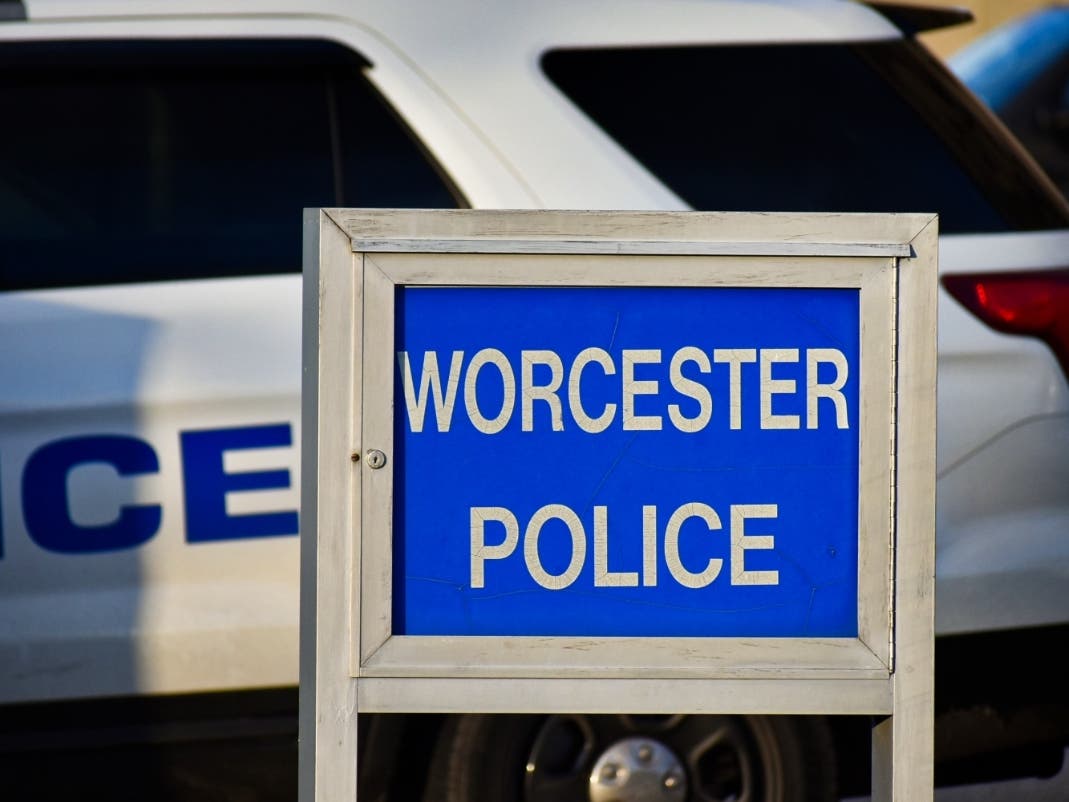
WORCESTER, MA — The Worcester City Council delayed giving its support to the police department acquiring a drone, with some councilors highlighting a series of contradictory statements by police about how the device would be used around the homeless.
The drone issue first came to councilors in early April, and in a memo at the time, Chief Steven Sargent said the drone could be used to help search for homeless encampments. The memo also highlighted many other uses for the drone, including on search missions, natural disasters and crime scene mapping.
The memo prompted national and local homeless service providers to ask the police not to use the drone around homeless encampments, fearing the drone could create distrust between at-risk people and service providers.
Find out what's happening in Worcesterfor free with the latest updates from Patch.
At Tuesday's meeting, District 5 Councilor Etel Haxhiaj repeated some testimony from those groups, including AIDS Project Worcester. Haxhiaj specifically asked for the drone not to be used with the Quality of Life Task Force — the city's homeless outreach team.
"If you need me to beg you, please do not use this drone in any form with the Quality of Life Task Force. Our people on the ground know where homeless encampments are, we don't need a drone flying over people's heads," she said.
Find out what's happening in Worcesterfor free with the latest updates from Patch.
Under questioning by District 3 Councilor George Russell two weeks ago, Chief Steven Sargent said police could include some type of carve out for the homeless in the policy. But at a council meeting last Wednesday, Deputy Chief Paul Saucier told councilors police could not exclude the homeless from the policy. And prior to Tuesday's meeting, District 4 Councilor Sarai Rivera said Sargent had said the drone could be used to look for an encampment if requested by a neighborhood group.
Citing back-and-forth statements about the homeless issue, Russell asked acting City Manager Eric Batista to clarify the drone policy.
"I want to support this, but to be honest, the information going back and forth ... the lack of clarity is making it hard for me as a councilor to support this," Russell said.
Saucier told councilors the device would only be used to save lives, including of the homeless residents. As an example, he said the fire department might need police to use the drone to search a wooded area near high tension power lines to find a homeless camp during a fire.
"Everyone's hopping on this homelessness, it has nothing to do with it," Saucier said.
Over the last two months, police have written a policy for drone use, but it doesn't mention homeless people or encampments. A portion of the policy says police won't use the drone in places where people have a reasonable expectation of privacy. But the policy also includes a section on use in "exigent circumstances" that includes "search and rescue missions, tactical missions, crash scenes, crime scenes, fire scenes, hazmat scenes and natural disasters."
Emiliano Falcon-Morano, the ACLU of Massachusetts policy counsel for the Technology for Liberty Program, spoke to the council on Tuesday and pointed out several problems the ACLU has with the Worcester drone policy. He called the exigent circumstances section "far too broad." The ACLU would want the policy to require a warrant and probable cause before using the drone in public, he said.
Falcon-Morano also took issue with another portion of the policy dealing with drone use during protests. The policy says police will not disseminate drone recordings of gatherings protected by the First Amendment. But Falcon-Morano said the policy leaves open the possibility that the recordings could be disseminated if one or two people in a crowd are criminal suspects.
Batista said he could return to council with a new report clarifying the drone policy and its use around homeless residents. A vote of support from the council support for the drone will be back at the June 14 meeting.
Get more local news delivered straight to your inbox. Sign up for free Patch newsletters and alerts.