Politics & Government
Feds Give Major Grant To Worcester County To 'End Youth Homelessness'
With a recent 37 percent rise in youth homelessness, the HUD grant allows organizations across the country to attempt to solve the problem.


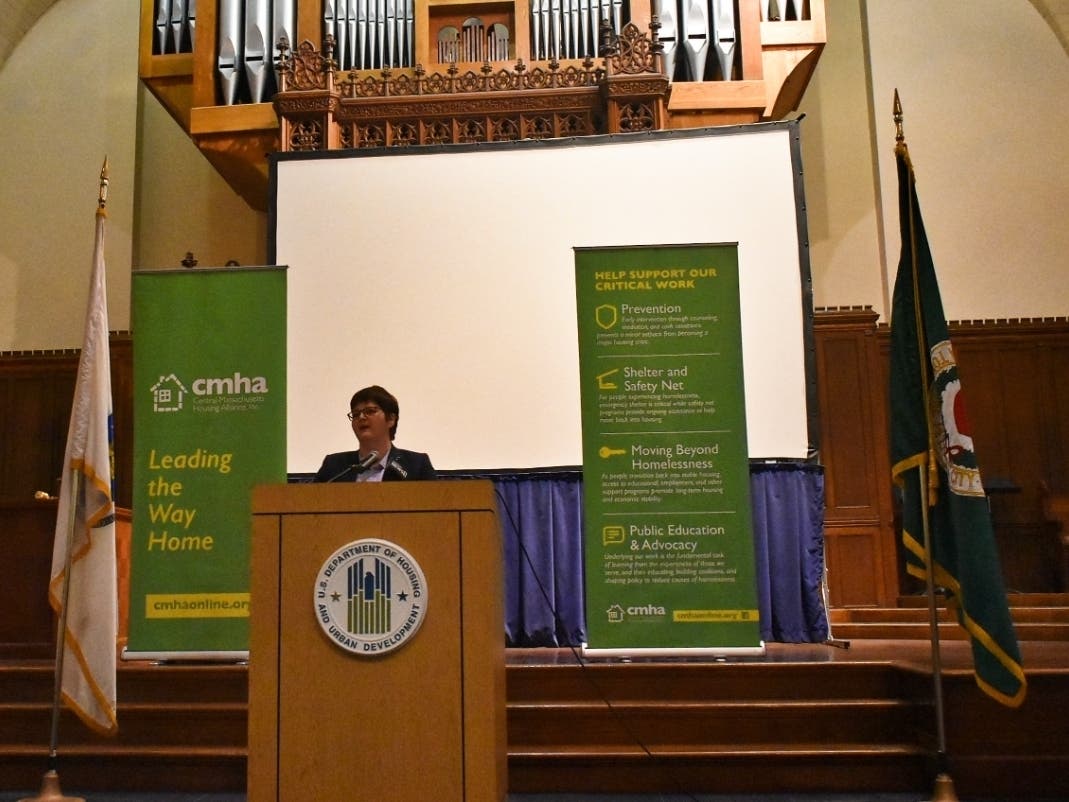

WORCESTER, MA — Worcester County has been chosen as one of a handful of locations across the U.S. to receive a large federal grant to find homes and services for unsheltered young people — an initiative officials say aims to "end youth homelessness."
The U.S. Housing and Urban Development (HUD) $2.6 million Youth Demonstration Homelessness Demonstration program grant can be used for a variety of initiatives, from hiring navigators to guide young people out of homelessness to paying for permanent housing.
But the goal of the grant program is to give local organizations a lot of leeway in finding methods to end youth homelessness, HUD Deputy Assistant Secretary for Community Planning and Development Marion McFadden said.
The Central Massachusetts Housing Alliance will oversee the grant, but organizations across Worcester County will be part of figuring out how to use it. Over the next few months, organizations like CMHA, Worcester Public Schools and Fitchburg-based LUK Inc. will work on a plan to use the resources, CMHA Executive Director Leah Bradley said.
"We look forward to working with our federal, state, local and community partners over the next several months to develop a comprehensive plan putting the voice of youth first, ensuring they are leading our planning process. They are the ones who will inform us on what works," CMHA Executive Director Leah Bradley said in a news release.
The grant was unveiled Monday morning at an event featuring top leaders from across the region, from U.S. Rep. Jim McGovern to state lawmakers including state Sen. Harriette Chandler and state Rep. James O'Day. Local officials including acting City Manager Eric Batista, Worcester Superintendent Rachel Monarrez, Fitchburg Mayor Stephen DiNatale and Worcester Mayor Joseph Petty Jr. were also in attendance.
McFadden said the Worcester area got the grant in part because of the strong collaboration between different organizations and leaders across the region. HUD gives out the grant as funds become available, she said.
The HUD grants revealed Monday include some $84 million to end youth homelessness in places across the U.S., including in Washington state, Cuyahoga County in Ohio, Philadelphia, Richmond, Va., and Tulsa, Okla. Barnstable County and Lynn are the only other locations in Massachusetts that got a grant — and Massachusetts is the only state where HUD distributed three grants.
According to CMHA, youth homelessness has risen about 37 percent in Worcester County in recent counts. However, that's likely an undercount. Monarrez said part of ending youth homelessness will start with conducting a better census of which local students need help.
Worcester Health & Human Services Commissioner Dr. Matilde Castiel said the city and county are both experiencing a "crisis of homelessness" with more people than ever being forced to live on the streets. The grant will "provide pathways to let people survive and flourish," Castiel said.
Worcester's grant will focus especially on helping people of color and young members of the LGBTQ+ community — both groups that experience homelessness at higher rates, and who face more barriers to getting help. Local LGBTQ+ youth often struggle to find temporary shelter space because shelters are often split in a binary between men and women. Part of the work connected to the grant will focus on finding non-congregate shelter for people in those groups.
One local youth shared her story of struggling with homelessness. Kimara Marin, 22, said she and her 3-year-old son became homeless after having to separate from their family. She initially stayed in a temporary shelter, which she described as a scary, but also tenuous. Congregate shelters are a step up from no shelter at all, she said, but young homeless people need a path to permanent housing.
"Housing is what matters," she said. "It's where me and my son can grow."