Politics & Government
After 3 Years, Birmingham Reaches Deal on Contracts With Police Unions
The terms of the new collective bargaining agreement include officers adopting a defined contribution retirement savings plan.

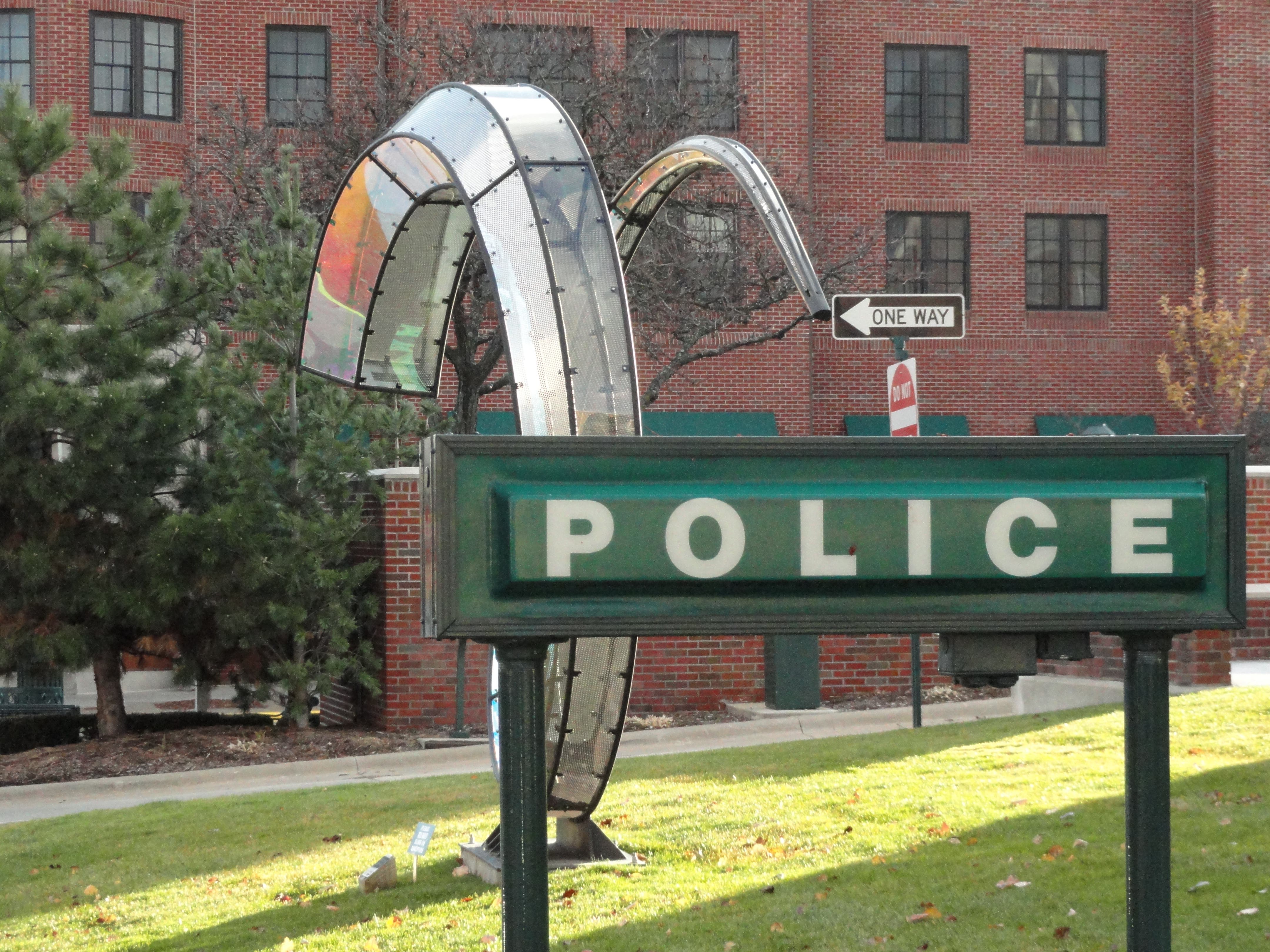
After years of negotiations, the city has settled on terms of a new collective bargaining agreement with the Birmingham Police Officers Association as well as the Birmingham Commanders union.
The previous contract between both unions expired in June 2008. The new contracts will last through June 30, 2013.
The Birmingham Police Officers Association (POA) represents 27 people serving as police officers, corporals and dispatchers in the . The Birmingham Commanders union represents the department's five commanders.
Find out what's happening in Birminghamfor free with the latest updates from Patch.
The POA settled with the city earlier in December and the Commanders settled verbally with the city Monday, according to Cmdr. Terry Kiernan, vice president for the Commanders union. Union members voted on the agreements.
"The city and union worked hard to reach an agreement that would reduce the city's pension and retiree health care costs while continuing to provide a financially secure retirement for our employees," City Manager Bob Bruner said. "The members of the Police Officers Association should be commended for helping us achieve these goals."
Find out what's happening in Birminghamfor free with the latest updates from Patch.
However, POA treasurer and spokesman Officer Jeff Whipple said while the police union understands the economic climate and the city's intent to lower costs, members are still not happy with the terms.
"We believe Birmingham is much better off than other cities in this area," Whipple said. "We wish they could have worked with us better."
Both contracts will likely go before the Birmingham City Commission for final approval during its Jan. 9 meeting.
Contracts include defined contribution plans, elimination of longevity payments
The terms of both contracts, Kiernan said, are almost exactly the same. As part of the agreements, both unions will adopt a defined contribution retirement savings plan as well as a Retirement Health Savings (RHS) plan for any new police officers hired in the future.
This is opposed to the plan currently in place — a defined benefit retirement program. This kind of plan provides a set benefit amount for retired officers, according to Assistant City Manager Joe Valentine. Retired officers are also covered under a retiree health care plan, which provides the same level of service they had when they retired.
Under the new plan, however, employees and the city will contribute to a health care account over the course of an employee's career. At the time of retirement, the retiree will have access to all the assets in the account.
According to Valentine, defined benefit plans involve substantial legacy costs that have to be paid by the city over the lives of all retired employees. The new plan, he said, eliminates those legacy costs and could save Birmingham $150,000 a year.
The new health care plan would only impact employees hired after July 1, 2011, Valentine said. Existing employees would retain their current plan. All city employees have a defined contribution plan; only the Birmingham Firefighters Association operates without one.
Also part of the new contract, longevity payments are eliminated for new hires. Longevity payments are annual stipends awarded to officers depending on how long they've been with the department. The city spends $70,000 a year on these payments, Valentine said.
Finally, the contract includes a zero percent wage adjustment — meaning no wage increases — for the next three years for employees in both unions. In addition, the Commanders' contract agrees to change titles for sergeants, who will now be considered lieutenants. According to Kiernan, this brings the department in line with others in the area.
Long negotiations attributed to bad economy, unease over provisions for new hires
Valentine said these types of health care plans are being adopted by cities statewide, noting nearby Bloomfield Township operates under a defined contribution plan.
"We're seeing more and more of these types of plans with employers trying to control their legacy costs," he said. "This is a successful model to cap those costs."
Valentine commended both unions for their work reaching a resolution. It's been a long haul: both unions have been working under the terms of their 2008 contracts for more than three years.
Valentine said one of the main sticking points for both sides — and what held up negotiations for so long — were the provisions for new hires.
"It's a big change," he said. "As things change and progress, though, I think there is an understanding ... that these new hire plans are the norm going forward."
However, Whipple is concerned that switching to a defined contribution plan opens the door for volatile hiring scenarios. Young officers could hop from one department to another, he said, looking for the one with the best contribution plan.
"If they can find a better deal somewhere else, they'll go somewhere else," Whipple said. "It's going to cause a lot of headaches for our administration."
Whipple said it was clear throughout the negotiations that the city wanted everyone to move to a defined contribution plan, and though the negotiations were civil, he said the union had little choice but to make concessions.
"What we conceded with new hires, it's going to be a big change and I think that's what they were looking for," he said. "Hopefully that will help the city out and we'll get the favor returned to us in the future."
Get more local news delivered straight to your inbox. Sign up for free Patch newsletters and alerts.