Schools
Former Seaholm Counselor Sheds Light on Teens in Crisis
Dennis Rozema writes about his years helping Birmingham high school's struggling students and looks to make an impact on a new generation.
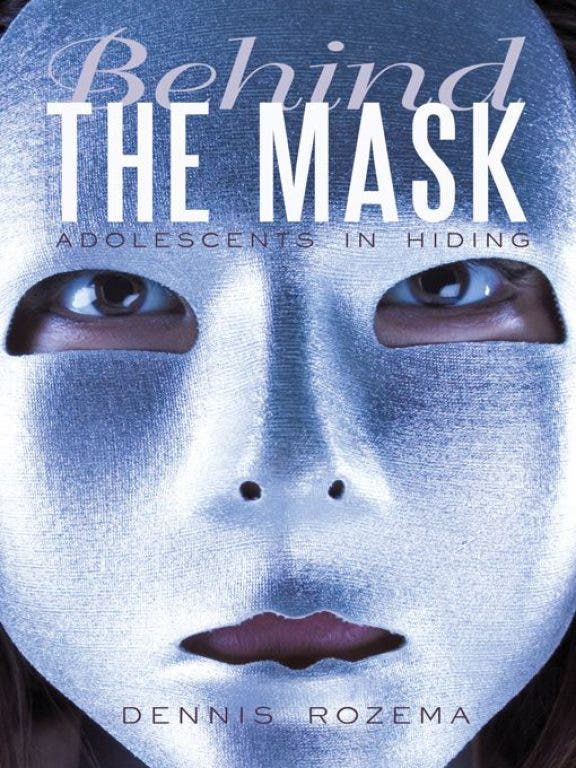

Dennis Rozema never imagined he’d publish a book.
“I can’t spell,” he said with a hint of self-deprecation from his office in Birmingham where he works as a full-time therapist.
But publish a book he did after retiring from in 2009 after more than 25 years as a crisis counselor, school counselor and adolescent therapist.
Find out what's happening in Birminghamfor free with the latest updates from Patch.
His book, Behind the Mask, published earlier this year, borrows quotes and stories from the journals of four former area students, two of whom attended Seaholm. All four struggled with some combination of depression, anxiety, substance abuse or suicidal thoughts.
According to the book, adolescents dealing with depression and anxiety often hide behind cheerful, neutral or angry and defiant masks. Rozema’s goal is to help readers “gain insight into how we can help ourselves or those we love let go of the mask. Letting go of that mask helps reveal our true selves and allows us to live happier and more fulfilling lives.”
Find out what's happening in Birminghamfor free with the latest updates from Patch.
The road to crisis counseling
When Rozema was a teen, it was his swim coach who inspired him to later help kids come out from behind their masks. “My coach was a big influence on me and helped me get through some tough times,” he said.
After Rozema graduated from college, he taught school in another district for two years before becoming a middle school teacher in Birmingham Public Schools (BPS) and like his mentor, a swim coach. Rozema found when kids wanted to talk about personal issues, they gravitated toward him, who took time to listen to their concerns at lunch and after school.
“I thought I should probably know what I’m doing so I wanted to get a counseling degree,” Rozema said.
More interested in mental health counseling than academic advising, Rozema earned a master's degree in guidance and counseling at Oakland University. That’s when Seaholm hired him as a high school counselor.
“There was a lot of drug use in the ‘70s and the BBFA (Building Better Families Through Action) wanted the school district to be more proactive, so they sent me to a conference," Rozema said. "I came back with the idea of the crisis counselor job and they approved it. It was the ideal job and fit what I really wanted to do.”
Finding inspiration through tragedy
It was around that time that Rozema met the inspiration for his book in a transfer student from Wisconsin.
“She had been abused by her dad and her mom was an alcoholic," he said. "She moved to get out of that and was living with her older sister. She was very, very bright but did not enmesh herself well here socially and Seaholm’s a pretty hard place to fit in. A friend of hers who I had counseled recommended that she talk to me. Over time we got to know each other very, very well.”
Tragically, the student committed suicide while attending a day hospital program intended to treat her severe depression. A few days later, the student’s sister called Rozema. “She said, ‘I’ve got Trish’s journal, I think you’ll want to see it," he said. " 'There’s a lot about you in it’.”
After reading it, Rozema was overwhelmed with the honesty in his former student’s writings. "In the journal she wrote, ‘If I die, please give this to Dennis.’ There was a lot of, 'Dennis said this, Dennis said that.' I thought, wow, this is who she really is. I kept the journal for a long time and after I retired, I thought I should put it out there.”
The other three students in the book represent later generations. “You can’t tell when the quotes were written though," Rozema said. "The problems and issues teens deal with are just as true for kids walking around today as for kids walking around back then. The language isn’t always the best and the behavior isn’t always the best, but it’s real.”
Unique pressures for Birmingham's teens
Though teens all over the country struggle with depression, anxiety and substance abuse, Rozema said there are some issues that are unique to teens in the more affluent areas of Oakland County, including “more money for most families and the free time available to them after school with two working parents. It’s entitlement in a way, and it tends to make things a bit worse. There’s tremendous pressure on these kids with money and things to keep up with the Joneses.”
Working one-on-one with the students, however, removed the stereotype of the rich, snobby kid.
“They were just as scared and unhappy with the pressure and the snobbiness … underneath, they’re all really nice kids,” Rozema said.
'Calming influence' on students
Rozema recently presented his book and experiences as a crisis counselor to the students at Seaholm. Walt Romano, a current Seaholm counselor, worked with Rozema for four years.
"(Rozema was a) calming influence who was without a doubt the best mentor I ever had,” Romano said, noting the students were mesmerized with Rozema.
“It’s not often you can capture the students’ attention, but with that raw data from our students, using quotes from the book in their words, you got the feeling he was touching the kids at a level that they weren’t used to and made them feel like they weren’t alone. The fact that someone was willing to put that on page in a book, it got them feeling like they were understood.”
Before Rozema retired, Romano frequently observed the crisis counselor’s rapport with students.
“He was wise, compassionate and understanding," Romano said. "Kids would open up to him and really share. They knew he had their best interests at heart. It was a huge loss when he left, especially with the way he helped us work through situations and come up with ideas for resolving problems. He was just a great resource.”
Continuing to make a difference
As a crisis counselor, Rozema focused on short-term solutions, dealing with parents, making referrals and moving students and their families on to the next stage. Now, as a full-time therapist, he said he is the long-term solution, helping kids take responsibility for their actions and providing them with the coping skills they’ll need to buffer against future episodes of anxiety, depression and substance abuse.
Rozema said he's thinking of writing another book that focuses on the pressures of adolescence, including sex, bullying, grades, drugs, cheating and the pressure to get into college.
Rozema also would like to speak to more schools and community groups about Behind the Mask and show people how they can make a difference as a parent or a friend.
“I just love what I do and I want to keep doing it until I can’t anymore.”
Behind the Mask is available on Rozema's website, Amazon.com and through his publisher, iUniverse.