Community Corner
ACCESS Study Examines Pollution's Effects on Dearborn's South End Residents
Researchers from ACCESS and Wayne State University will look at the effects of air pollution on respiratory health for Dearborn's south end elderly and youth.

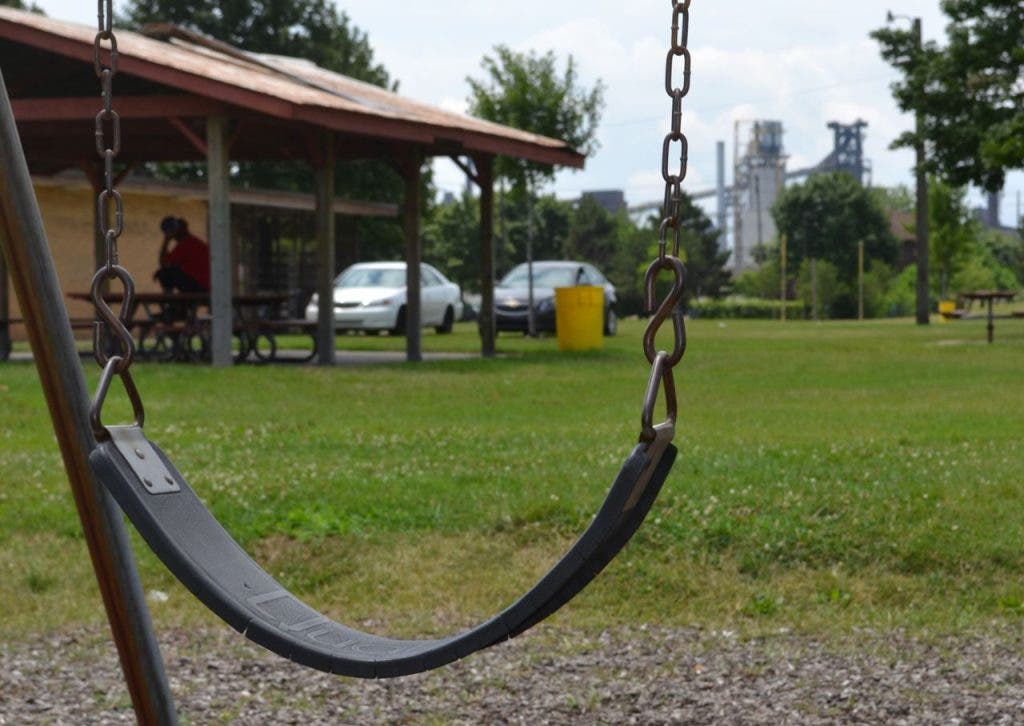
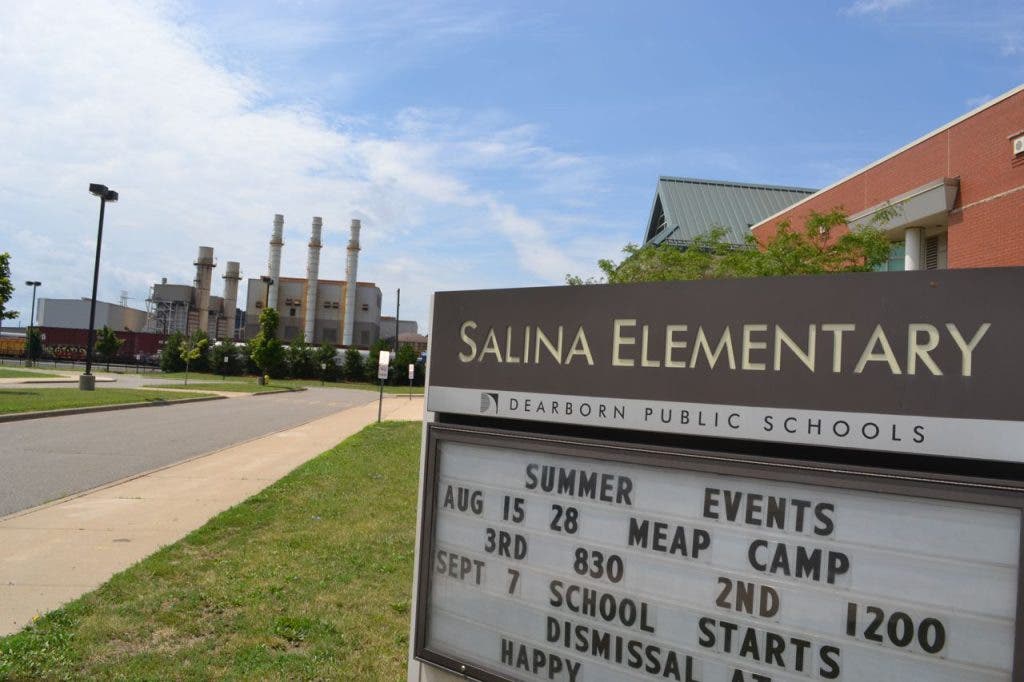

When Dearborn’s south end residents park their cars in driveways for the night, it’s not uncommon to see them covered with a thin coat of dust and grit the next morning. When residents leave garments on clotheslines for too long, chances are they’ll boast a similar grayish-brown outer layer.
For decades, the neighborhood’s predominantly Arab population has lived in the shadow of one of the most heavily industrialized areas in the Midwest. But until recently, few have analyzed exactly how the byproducts of nearby industry affect residents’ respiratory systems.
A new study by Dearborn nonprofit ACCESS and Wayne State University aims to change that. Only in its preliminary stages, the research will examine the effects of air pollution on respiratory health among the area’s youth and elderly.
Find out what's happening in Dearbornfor free with the latest updates from Patch.
Preliminary data indicates the rate of asthma-related hospitalizations in Dearborn’s south end is more than double that of Michigan in general, according to the University Research Corridor.
The study’s joint research team, led by Dr. Mary Dereski of WSU, will focus on how air pollution from nearby factories affects the onset of acute asthma. The abnormally high rate of such respiratory diseases in the south end should be of “great concern,” Dereski said in a statement.
Find out what's happening in Dearbornfor free with the latest updates from Patch.
“(The study will) allow us to determine preventative measures that ultimately will decrease the incidences of the disease,” she said. “The entire community will benefit from the data we gather to affect policy change to improve air quality in this region.”
The industries in the 48120 zip code, which also include three steel mills, Michigan’s only oil refinery and one of the nation’s largest wastewater treatment centers, spewed out more than 88,000 pounds of air toxicants in 2008, according to the URC. Showings like that help make it the sixth most polluted zip code in Michigan, according to data from the Environmental Protection Agency.
Dr. Adnan Hammad, director of the ACCESS Community Health and Research Center, said at least 15 percent of south end residents have asthma. Rates for emphysema, lung cancer and airway infections are also alarmingly high.
The pollution affects other aspects of healthy living as well, Hammad added.
“When I want to promote exercise in that area, how can I tell men and women to run around in that?” he said.
The ACCESS-WSU study is only in its planning stages now and will begin to recruit participants in the fall and winter. Along with it, ACCESS will expand its educational outreach in the south end to include how to better control asthma triggers, according to a statement.
“We educate as a prevention,” Hammad said. “(Air pollution) is not what people always see, but this is what people always breathe.”
Despite the interest from ACCESS and academic institutions, advocacy for reduced emissions in the area needs to be championed by government and industries themselves, Hammad said.
Even following the announcement by President Obama doubling fuel economy standards by 2025, more needs to be done for south end residents, he said. For them, the real health threat is much closer to home–something the ACCESS-WSU research team will examine the next three years.
“When we educate (south end residents) and we advocate for their health, we need to reduce the bad emissions of the car industry,” Hammad said. “They are actually living under the smokestacks."
Get more local news delivered straight to your inbox. Sign up for free Patch newsletters and alerts.