Community Corner
Card Skimmers In Michigan: How To Avoid Them
ATM and credit card skimmers are popping up across Michigan. This is what to look out for — and when you should be suspicious.


Inspectors in Michigan found five credit-card skimmers earlier this month at Michigan gas stations — though that’s not the only place thieves are placing the devices that capture data on ATM and credit cards — and they’re warning travelers to beware of the scam. Skimmers aren’t new, but new technology makes them smaller and harder to spot, according to the Federal Trade Commission, which also issued a consumer alert earlier this month.
The problem is so pervasive in Michigan that the state Senate on Wednesday overwhelmingly approved a bill requiring the installation of new safety measures at the state’s more than 100,000 fuel pumps. Passed on a 35-1 vote with no debate, the legislation will be taken up by the House, but likely not until after lawmakers return from summer recess in September.
The state’s Department of Agriculture and Rural Development, the regulatory agency overseeing fuel sales, required its 14 inspectors to check for the devices in 2015, calling the skimmer problem “unprecedented.” Since the stepped up inspection, 82 credit card skimmers have been found at gas stations across the state.
Find out what's happening in Detroitfor free with the latest updates from Patch.
SIGN UP: For more local news, click here to sign up for real-time news alerts and newsletters from Detroit Patch, click here to find your local Michigan Patch. Also, like us on Facebook, and if you have an iPhone, click here to get the free Patch iPhone app.
Here are some tips to keep your money safe:
Find out what's happening in Detroitfor free with the latest updates from Patch.
First, the basics. What exactly is a card skimmer?
It's a small device that affixes to a card reader, allowing a thief to illegally collect the credit and debit card information of unsuspecting customers. Most commonly, card skimmers are put on ATMs, gas station pumps or self-checkout machines.
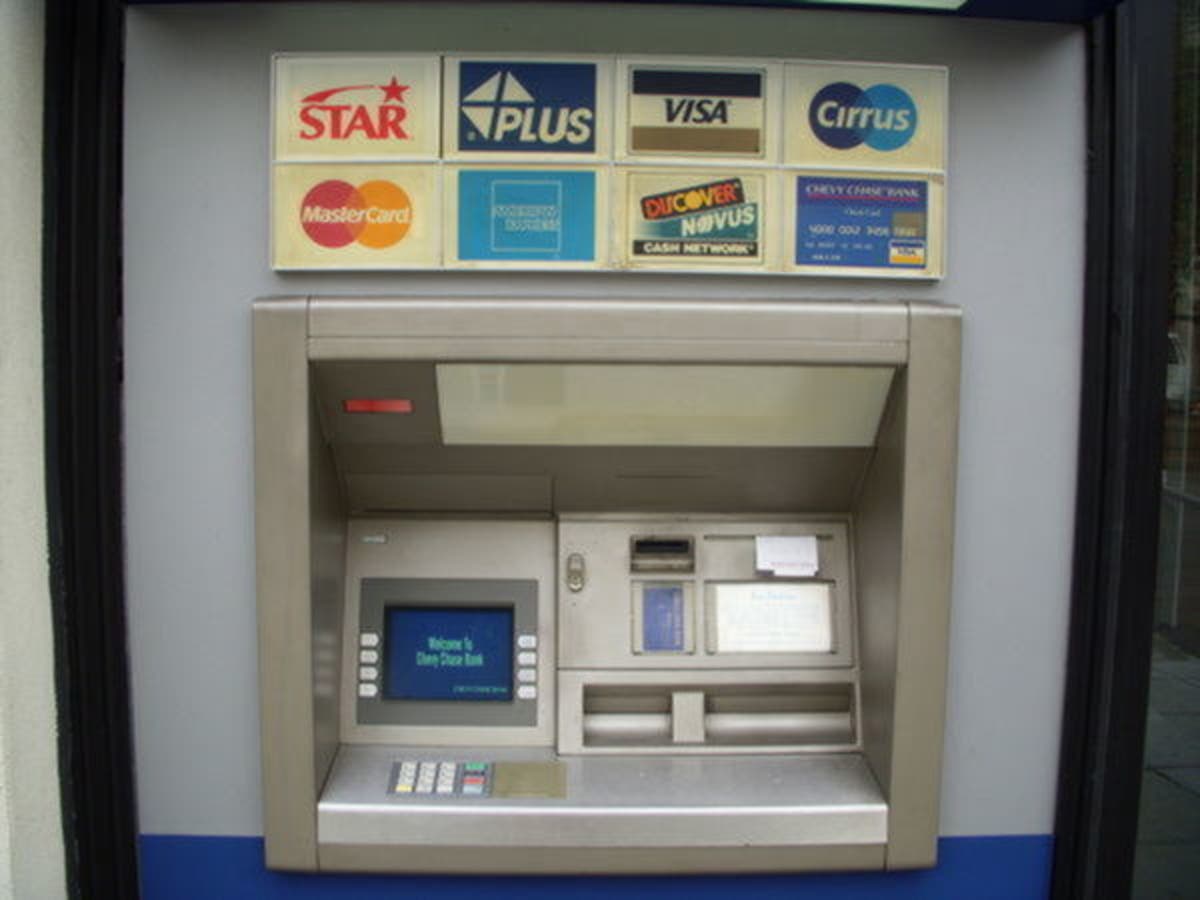
The typical ATM skimmer is smaller than a deck of cards and fits over an existing card reader, says PC Mag. Not sure what a card-skimming device looks like? This website shows various skimmers on ATMs, so you know what to look for in the future.
You can also look for obvious signs of tampering with an ATM or other card-accepting machine you're about to use.
The Federal Trade Commission recently issued a warning to consumers, saying that while skimmers aren't new, emerging technology is making them smaller and harder to spot.
How To Protect Your ATM Card
- Use secure ATM machines under video surveillance or inside a bank lobby. They’re less likely to be tampered with.
- Pay careful attention to what the card reader and keypad normally look like on the ATMs you use most frequently.
- Don’t use an ATM if the card reader appears to be added on, fits poorly or is loose. Some thieves place a fake box over the card slot that reads and records account and PIN numbers.
- Inspect the machine for items that were installed over or around the PIN pad of the ATM. Look for an attachment on the ATM that contains a small hole that is pointed in the direction of the PIN pad.
- Lightly tug the area of the card slot. Most skimming devices are attached with double-sided tape for quick removal by the crooks.
- Cover the keypad with your other hand while typing your PIN. This is the best way to ensure that your PIN number is not recorded.
If the keypad backlight is off, that's another warning sign that a skimming device could be installed, the Mic.com article says.
Also, if the chip reader is deeper than normal, beware.
A rule of thumb (no pun intended): If your card goes so deep into a chip reader that you can't keep a thumb on it, that's a sign there could be a skimmer installed, Mic.com reports.
Patch's Kara Seymour and Deb Belt contributed to this report.
Patch file photo
Get more local news delivered straight to your inbox. Sign up for free Patch newsletters and alerts.