Community Corner
Cougar 1st Confirmed On Michigan’s Lower Peninsula Since 1900s
The mountain lion photographed in June is the first documented sighting in lower Michigan since 1900s.


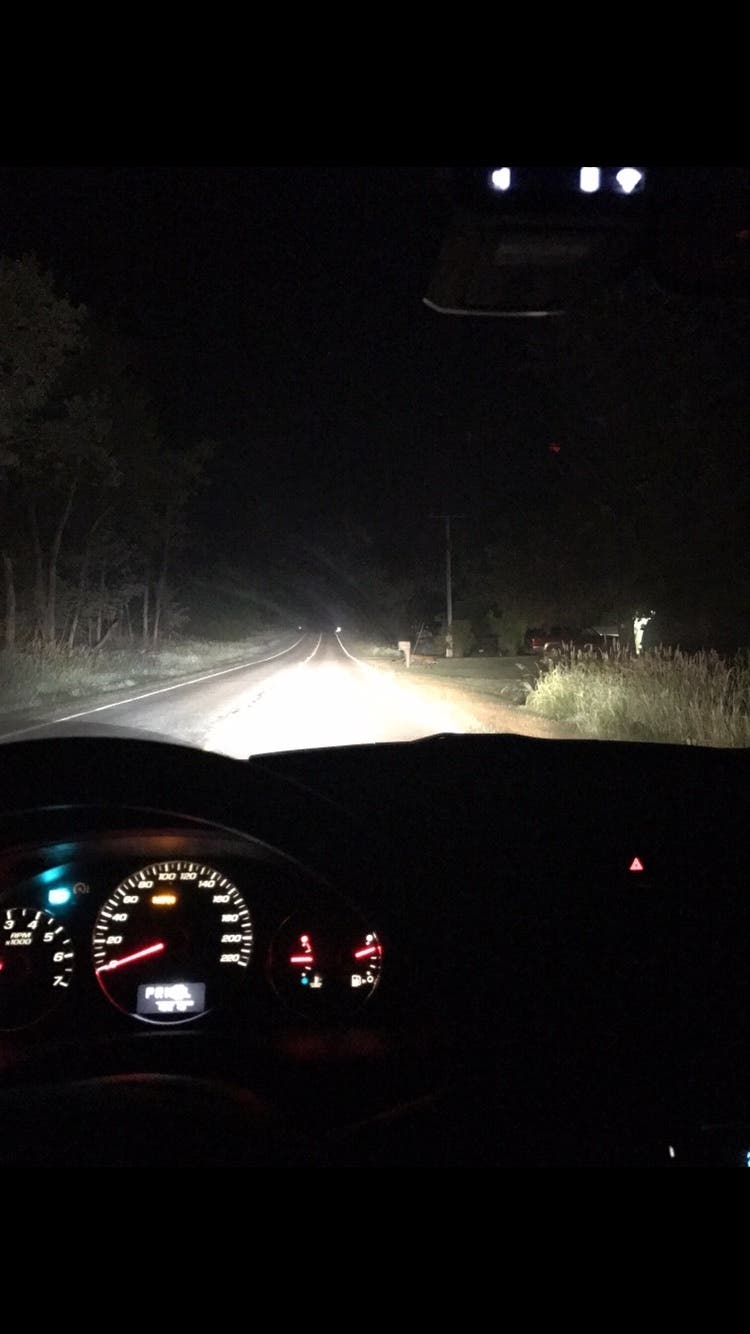
Michigan wildlife officials have confirmed the first sighting of a cougar on the Lower Peninsula since the cat species was extirpated from the state around the turn of the 20th century. A resident of Bath Township in Clinton County captured a picture of the large cat northeast of East Lansing on June 21 after seeing it cross the road in the light of his headlights.
State Department of Natural Resources officials have no idea how the cougar made it to Rose Lake State Wildlife Area near East Lansing, but figure it wandered from a normal home range in the western United States and Canada.
“Even with this verification, questions remain, especially regarding the origins of the animal,” Kevin Swanson, a DNR wildlife specialist and manager of the agency’s Cougar Team, said in a news release. “There is no way for us to know if this animal is a dispersing transient from a western states, like cougars that have been genetically tested from the Upper Peninsula, or if this cat was released locally.”
Find out what's happening in Detroitfor free with the latest updates from Patch.
SIGN UP: For more local news, click here to sign up for real-time news alerts and newsletters from Detroit Patch, click here to find your local Michigan Patch. Also, like us on Facebook, and if you have an iPhone, click here to get the free Patch iPhone app.
Cougars originally were native to Michigan, but were extirpated from Michigan around the turn of the century. The last time a wild cougar was legally taken in the state was near Newberry in 1906.
Find out what's happening in Detroitfor free with the latest updates from Patch.
Swanson said officials have taken numerous reports of cougar sightings throughout Michigan over the past several years, but until now, all confirmed sightings or tracks have been in the Upper Peninsula.
Since 2008 a total of 36 cougar sightings have been documented on Michigan’s U.P. To date, the DNR has not confirmed a breeding population of cougars in Michigan.
Cougars are protected under the state Endangered Species Act and cannot be harmed except to protect human life.
The DNR said Clinton County landowners may want to place trail cameras on their properties and submit pictures for verification. Observations can be reported at mi.gov/eyesinthefield. Landowners may find physical evidence of a cougar, including scat, tracks or a carcass, but the site shouldn’t be disturbed pending an inspection by a DNR official.
The odds of encountering a cougar in the wild are slim, and attacks on humans are extremely rare, the DNR said. Should you encounter a cougar:
- Face the animal and do not act submissive. Stand tall, wave your arms and talk in a loud voice.
- Never run from a cougar or other large carnivore. If children are present, pick them up so they cannot run.
- Do not crouch and get on all fours.
- If attacked, fight back with whatever is available. DO NOT play dead.
- Report the encounter to local authorities and the DNR as soon as possible.
Photo by Neil McIntosh via Flickr Commons
Get more local news delivered straight to your inbox. Sign up for free Patch newsletters and alerts.