Politics & Government
Michigan AG Issues Warning About Fake At-Home COVID-19 Tests
The Attorney General's Consumer Protection team said it is seeing an increase in calls and complaints related to COVID-19 at-home tests.


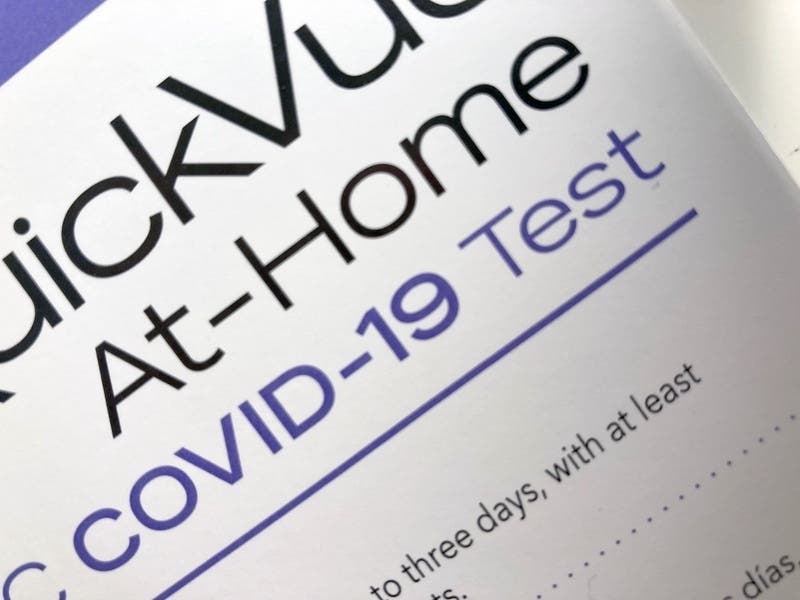
MICHIGAN — Attorney General Dana Nessel is warning people about fake at-home COVID-19 tests being sold online.
Following recently released warnings about fraudulent tests by the Federal Trade Commission (FTC) and Better Business Bureau, Nessel is reissuing her "Websites Selling COVID-Related Products That Are Fake or Never Arrive Consumer Alert."
The Department of Attorney General's Consumer Protection team said it is seeing an increase in calls and complaints related to at-home test concerns. The complaints are being reviewed to determine if additional action is necessary.
Find out what's happening in Detroitfor free with the latest updates from Patch.
"As the pandemic continues to grip our nation, bad actors are finding new ways to take advantage of our current reality," Nessel said. "Right now, there is a huge demand for at-home COVID-19 tests, so it's important to understand there will be attempts to capitalize on that demand. The best way to combat criminal attempts to defraud consumers is to educate yourself on the latest scams."
Remember the following tips from the FTC if you’re shopping online for COVID test kits and related items:
Find out what's happening in Detroitfor free with the latest updates from Patch.
- Make sure the test you’re buying is authorized by the FDA. Check the FDA’s lists of antigen diagnostic tests and molecular diagnostic tests before you buy to find the tests authorized for home use. (EUA is “emergency use authorization.”)
- Check out a seller before you buy, especially if you’re buying from a site you don’t know. Search online for the website, company, or seller’s name plus words like “scam,” “complaint,” or “review.”
- Compare online reviews from a wide variety of websites. You can get a good idea about a company, product, or service from reading user reviews on various retail or shopping comparison sites. Think about the source of the review. Ask yourself: Where is this review coming from? Is it from an expert organization or individual customers?
- Pay by credit card. If you’re charged for an order you never got, or for a product that's not as advertised, contact your credit card company and dispute the charge.
Get more local news delivered straight to your inbox. Sign up for free Patch newsletters and alerts.