Politics & Government
Farmington, Hills Officials Face SMART Decision in January
Officials from both cities cast a critical eye on the regional transportation system at Monday's joint city council meeting.


in and led to a heated discussion at Monday night's meeting of officials from both cities, held at Farmington Hills city hall.
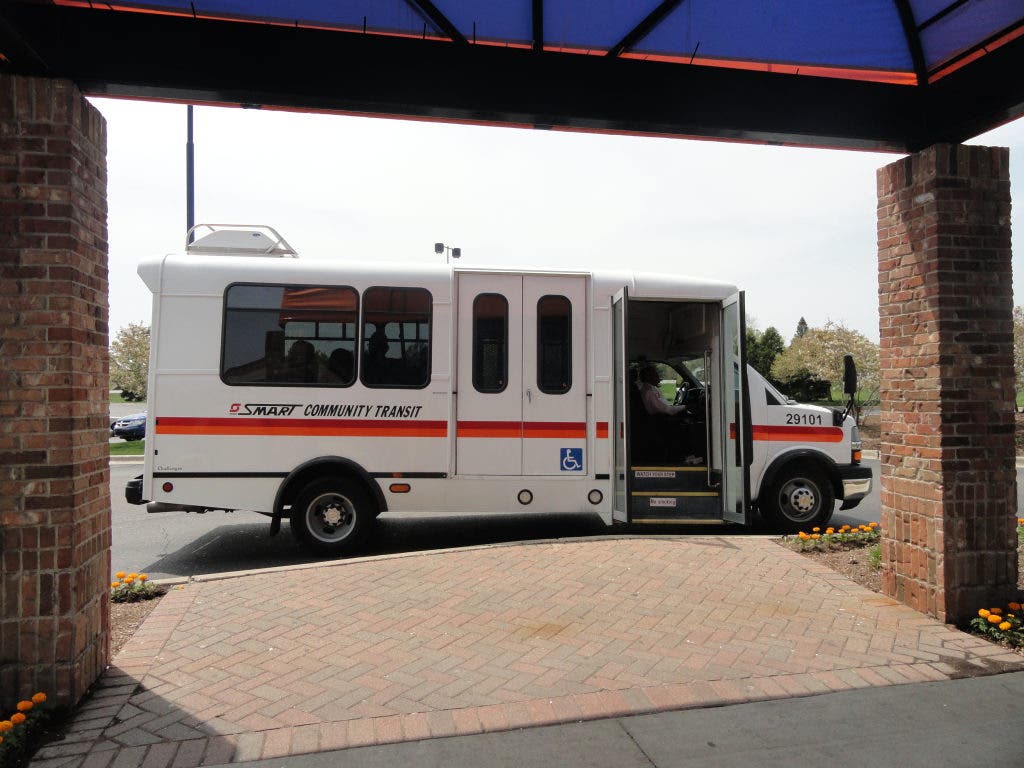
If they want to leave the Suburban Mobility Authority for Regional Transportation – commonly known as SMART – officials have to make a decision in January of 2012, because the millage is expected to go before voters again in August of 2012. It was renewed for two years in 2010 in Oakland County; Wayne and Macomb county millages renewed for four years.
The system allows cities to "opt out"; to date, 23 Oakland County cities have done so, including neighboring Livonia and Novi.
Find out what's happening in Farmington-Farmington Hillsfor free with the latest updates from Patch.
SMART representatives Steven Brown, Oakland County ombudsman, and deputy general manager of administration John Swatosh took strong criticism from council members who charged that SMART isn't playing straight with ridership numbers. Swatosh told officials that routes 385 and 305 are included in the authority's cost-reduction plans because of low ridership.
According to Jan. 26, 2010 Farmington council meeting minutes, Brown told officials 101,618 people ride SMART buses in Farmington each year.
Find out what's happening in Farmington-Farmington Hillsfor free with the latest updates from Patch.
Farmington council member JoAnne McShane questioned SMART's previously reported ridership numbers, wondering why officials were told in 2010 there was strong ridership in Farmington.
"Where have all the riders gone?" McShane asked.
Farmington Hills council member Ken Massey said local officials had challenged ridership numbers SMART provided, but weren't able to get more specific information. Brown said SMART knows ridership on routes, based on surveys and having counters on the buses, but cannot tell how many Farmington and Farmington Hills residents use the service.
"I don't think we were being disingenuous, we just weren't able to get those numbers," he said.
Massey also wanted to know whether the city would be paying less to SMART, given that routes have been cut. Hills Mayor Barry Brickner pointed out that SMART is already getting less from the city, because falling property values have reduced the amount of money the authority receives from its .59 mill levy.
"We're not paying as much as we were a few years ago, so we're not getting as much service," he said.
SMART funding affected by several factors
Swatosh pointed out that property taxes account for only a portion of SMART funding, which also includes federal and state funds and fares. He said because of the way regional transportation funding is handled, steep and unexpected cuts the City of Detroit made to the city's bus service also reduced the amount of federal and state dollars for which SMART is eligible.
Revenue reductions led to a $10 million deficit; $4 million of internal cuts were identified, Swatosh said. When SMART officials weren't able to gain concessions from union employees, service cuts made up the difference.
Swatosh bristled at accusations that SMART officials lied about ridership numbers and said they are "as sick about what we're having to do as anybody." He pointed out that the Detroit area is 23rd among the nation's top 25 regional transportation systems when it comes to public financial support for the system. "You're getting better service than you think you are," he said.
If the cities choose to opt out, they will also lose community credits, which they have used to provide transportation services to seniors. Farmington Hills director of special services David Boyer said in the Hills, that amounts to about $23,000; the city will either have to find the money somewhere else or cut service.
Officials said they would like to see more information on how the remaining routes in Farmington and Farmington Hills will connect residents within the regional system. Massey said he "would like to see if we have other options."
McShane said in 2010, she talked with representatives from MichiVan, a company that provides van services. She said the company told her then it could provide basically the same service for $90,000 less than the $237,000 Farmington currently pays to SMART.
Correction: The original version of this story incorrectly reported the month of the SMART millage renewal. It will go before voters in August.
Get more local news delivered straight to your inbox. Sign up for free Patch newsletters and alerts.