Home & Garden
How To See The Last Meteor Shower Of 2015: Geminids Peak Soon
This one will be good, for plenty of reasons.


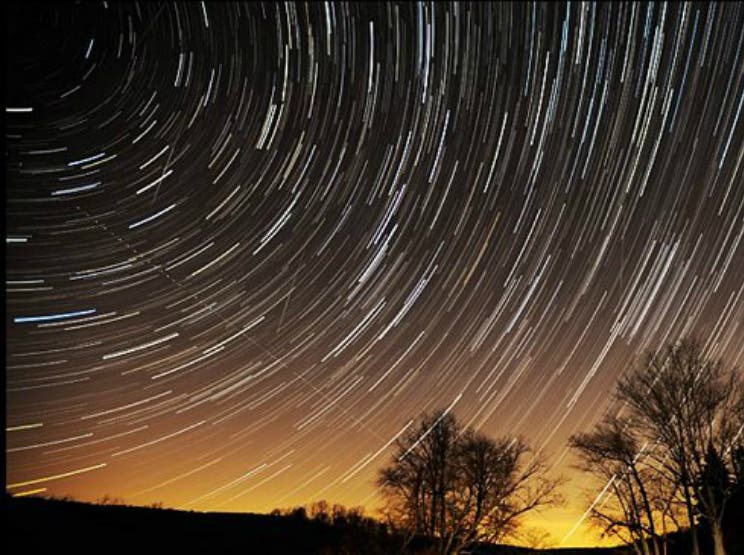
2015 meteor shower season is coming to an end, and we should be in for a grand finale with the 2015 Geminid meteor shower peaking soon.
The Geminids appear to originate from the constellation Gemini, but you don’t necessarily have to look that way to see them — just look up.
Find out what's happening in Royal Oakfor free with the latest updates from Patch.
If you’re a meteor shower fan, you might want to do a sunshine dance. The National Weather Service forecast doesn’t offer much hope that you’ll be able to see the Geminids in Metro Detroit. Overnight skies will be mostly cloudy from now through Monday night. The Geminids will be active through Dec. 16, NASA says, and the skies over southeast Michigan look to clear by then.
Here’s what you need to know:
Find out what's happening in Royal Oakfor free with the latest updates from Patch.
When should I look for it?
The Geminids will peak the nights of December 13 and 14, according to NASA. The good news for people with kids (or those who just don’t like staying up late) — the meteors start to get going around 9 or 10 p.m., NASA says.
But peak activity each night will be at about 2 a.m. local time, according to EarthSky.
“As a general rule, the higher the constellation Gemini climbs into your sky, the more Geminid meteors you’re likely to see,” EarthSky says.
What else makes this one special?
The Geminids are “typically one of the best and most reliable of the annual meteor showers,” according to NASA, so they shouldn’t be hard to spot.
The moon will be a thin crescent and set in the early evening, making for a nice, dark sky to spot meteors streaking across the sky.
Comets and asteroids leave behind trails of dust and debris as they orbit the sun. When the Earth passes through one of these orbits, the debris enters the Earth’s atmosphere, burning up upon entry and creating bright streaks of light through the sky.
The Geminids are caused by asteroid 3200 Phaethon, a “rock comet” on a long path through the solar system, according to EarthSky.
How do I see the meteor shower?
Find a dark place away from city lights. Get comfy (and stay warm!) with a sleeping bag or blanket.
Then, just look up. As your eyes get adjusted to the dark sky, it will be easier to spot meteors in the sky. Try to avoid looking at your phone or other bright lights, which will affect your vision.
» Image: Geminid meteors, via NASA
Get more local news delivered straight to your inbox. Sign up for free Patch newsletters and alerts.