Health & Fitness
New 'Eat Safe Fish' Guidelines Released By State
Do you know if the fresh fish you're eating is known to have a chemical contamination?


LANSING, MI — As spring unfolds, more Michiganders are heading to the lakes for a fresh catch. The Michigan Department of Health and Human Services has created a new resource when it comes to eating fish from the Great Lakes and the chemicals they may be exposed to.
By visiting the Eat Safe Fish Guides website, locals can see recommended serving sizes and portions for various fish that can be found around Michigan’s waterways. These guides can help residents plan their fish meals to ensure they are minimizing exposure to chemicals that can build up in fish, while still getting all of the health benefits eating fish provides.
“The guide essentially provides a nutrition label for chemicals in locally-caught fish,” said Nick Lyon, director at MDHHS. “The Eat Safe Fish Guides are easy to use and important resources that help families in Michigan consume fish safely.”
Find out what's happening in St. Clair Shoresfor free with the latest updates from Patch.
MDHHS only tests the portions of fish that people eat – typically the filets. The results from the state laboratory are used to determine what is safe for people to consume over the long-term. There are many health benefits to eating fish, and the Eat Safe Fish Guides help individuals choose the fish that are best for them and their families.
Unlike the Michigan Department of Natural Resource’s Michigan Fishing Guide, the MDHHS Eat Safe Fish Guides are not laws or regulations and no one is required to use them. Instead, the guides are a free resource for Michigan residents who would like information regarding what fish and how much is healthy to consume from various bodies of water across the state.
Find out what's happening in St. Clair Shoresfor free with the latest updates from Patch.
Chemicals in fish are a worldwide problem that is not limited to Michigan and other Great Lakes states, officials say, but it is important to note that fish from some areas in Michigan are more contaminated than others. By using the Eat Safe Fish Guides, Michigan fish consumers can be confident that they are making informed choices about eating the fish they catch from their local lake or river.
The chemicals most commonly found in fish are mercury and PCBs, however; the State of Michigan is working to address contamination at sites around the state related to per- and polyfluoroalkyl substances (PFAS).
For more information on how to buy, eat or prepare safe fish, or to view the 2018 Eat Safe Fish Guide for your region, visit Michigan.gov/eatsafefish or call 800-648-6942.
In addition to the Eat Safe Fish Guides, MDHHS also produces the Buy Safe Fish Guide to help residents choose seafood that is lower in mercury from local grocery stores, fish markets, and restaurants. The Buy Safe Fish Guide is available online at Michigan.gov/eatsafefish.
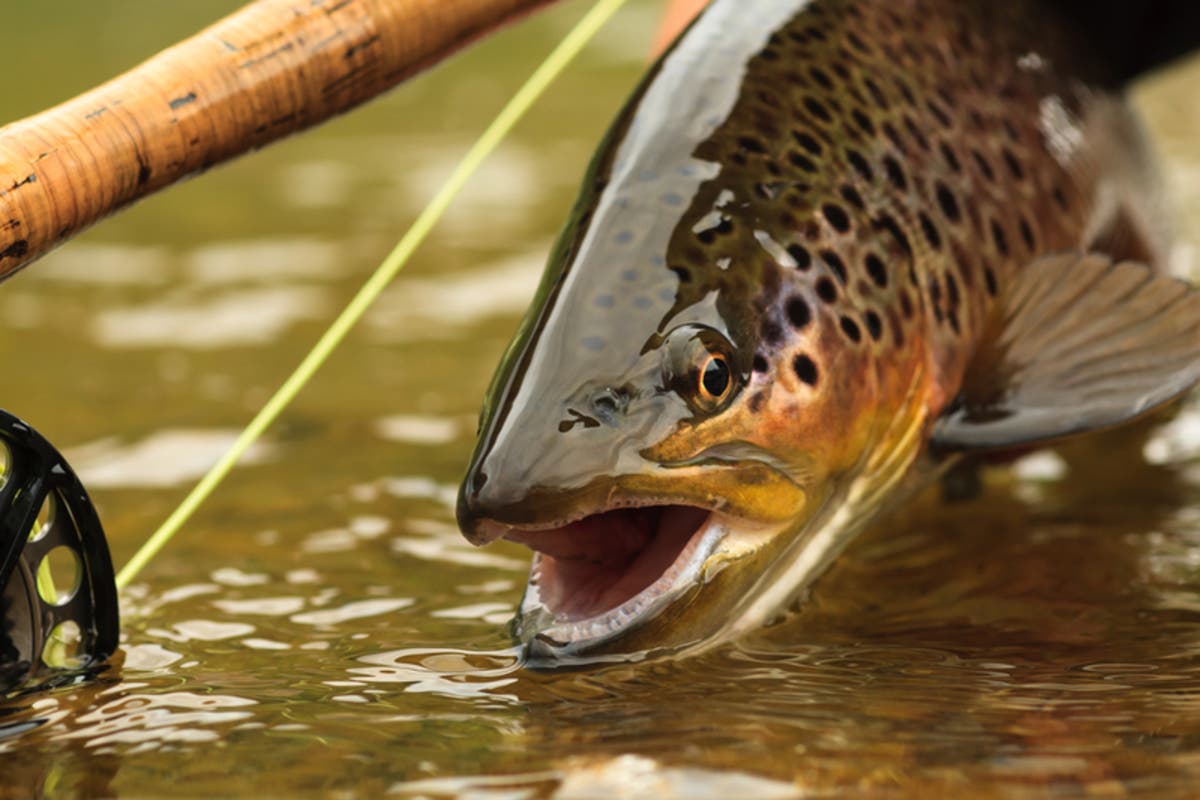
Image via Shutterstock
Get more local news delivered straight to your inbox. Sign up for free Patch newsletters and alerts.