Health & Fitness
First Human Case of West Nile Virus Reported in Michigan
So far this year, 13 dead birds and three mosquito pools have tested positive for West Nile virus.


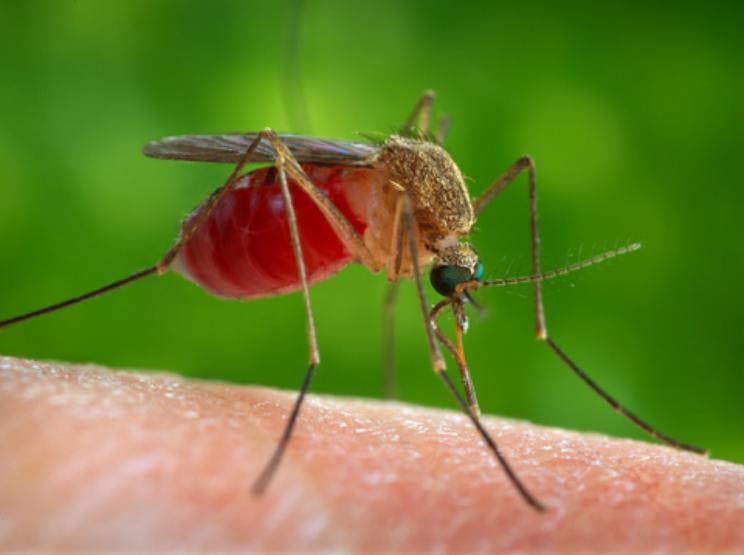
LANSING, MI — State health officials on Friday confirmed the s first human case of West Nile virus in Michigan this year, an elderly Livingston County resident who is recovering.
“Hot, dry summers are ideal for the mosquito that transmits West Nile virus, and this case is an important reminder to stay vigilant against mosquito bites throughout the summer,” Dr. Eden Wells, chief medical executive at the Michigan Department of Health and Human Services, said in a statement
“All residents older than six months of age should use repellent and take extra care during peak mosquito-biting hours between dusk and dawn,” Wells said.
Find out what's happening in St. Clair Shoresfor free with the latest updates from Patch.
To date, 13 birds have tested positive for West Nile virus so far this season, and three mosquito pools in Oakland and Saginaw counties have also tested positive for West Nile.
Infected birds and mosquitoes can provide an early warning of West Nile virus activity in a community. For the most current information on mosquito-borne virus activity in Michigan, click here.
Find out what's happening in St. Clair Shoresfor free with the latest updates from Patch.
Residents can stay healthy by using simple, effective strategies to protect themselves and their families by reading and following all repellant label directions. The following steps are recommended to avoid West Nile virus:
- Maintain window and door screening to help keep mosquitoes outside.
- Empty water from mosquito breeding sites around the home, such as buckets, unused kiddie pools, old tires or similar sites where mosquitoes lay eggs.
- Use nets and/or fans over outdoor eating areas.
- Apply insect repellents that contain the active ingredient DEET, or other EPA approved product to exposed skin or clothing, and always following the manufacturer’s directions for use.
- Wear light colored, long-sleeved shirts and long pants when outdoors. Apply insect repellent to clothing to help prevent bites.
Most people who become infected with West Nile virus will not develop any symptoms of illness. However, some become sick three to 15 days after exposure. About one in five infected persons will have mild illness with fever, and about one in 150 infected people will become severely ill, health officials said.
Mild illness may include headache, body aches, joint pain, vomiting diarrhea, or rash. Severe symptoms of West Nile virus are associated with encephalitis or meningitis, and may include: include stiff neck, stupor, disorientation, coma, tremors, muscle weakness, convulsions and paralysis. People 50 and older are more susceptible to severe West Nile virus disease symptoms.
Get more local news delivered straight to your inbox. Sign up for free Patch newsletters and alerts.