Community Corner
Detroit Zoo Does Huge Thing for Teensy Species
Zoo helped correct what went haywire when a natural predator introduced to eradicate a pest feasted on the wrong snails in Tahiti.


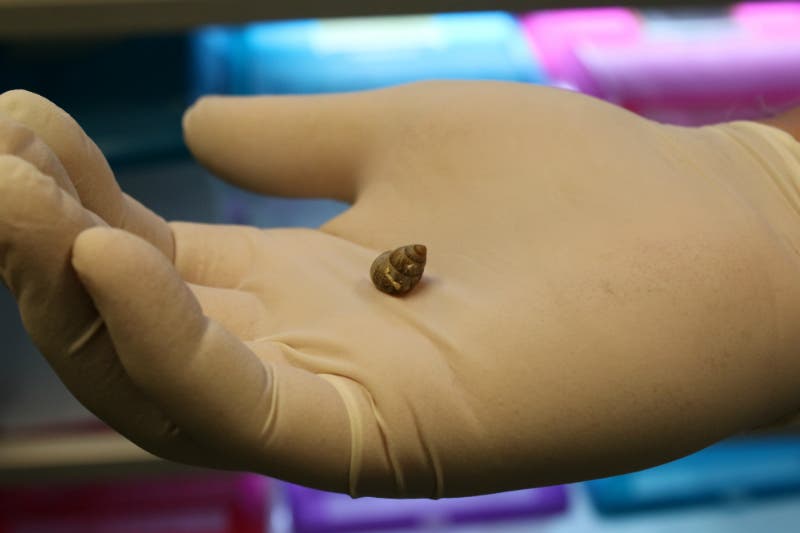
A tiny snail species that was declared extinct has been reintroduced in Tahiti, thanks to the Detroit Zoo. (Photo via Detroit Zoo)
So, this cool thing happened:
Find out what's happening in Troyfor free with the latest updates from Patch.
It took three decades, but conservationists at the Detroit Zoo have scored an enormous victory for a teensy land snail that had been written off as extinct, officially putting it “on the road to being saved,” said Scott Carter, the zoo’s chief life sciences officer
One hundred Partula nodosa snails are on the way to Tahiti, where they will effectively restore a population that had been declared extinct in the wild, Detroit Zoo spokeswoman Patricia Janeway said in a statement Tuesday.
Find out what's happening in Troyfor free with the latest updates from Patch.
The zoo’s P. nodosa breeding program dates back three decades. In 1989, the zoo took charge of 115 snails representing five species. Other institutions focused on four of the species, while the Detroit Zoo directed its efforts toward re-establishing P. nodosa.
At one point, the only remaining members of the P. nodosa family lived at the Detroit Zoo, according to the statement.
Also on Patch:
- Foggy Morning Moose Face-Off: Story Behind Social Media Sensation
- Wanda - Former Detroit Zoo Elephant Who Changed Ethics – Dies
- Detroit Zoo Conservationist Working to Stop Snow Leopard Slaughter
The extinction countdown on the tiny land snails began in a botched attempt at “biological control” of a pest through the introduction of a natural enemy or predator. In 1967, giant African land snails were introduced to Tahiti and other Polynesian islands as a source of protein. Some of them escaped, bred very rapidly and began devouring farmers’ crops, threatening the local economy.
So the Florida rosy wolf snails were introduced to gobble up the African land snails. The problem was, the wolf preferred the more delicate P. nodosa and its small cousins and ate them instead, leading to the extinction of many of the Partulid species.
Carter said the breeding program has been an unqualified success.
“Our efforts and successful breeding of the snails resulted in the rescue and recovery of the species,” he said, according to the statement. “Currently there are six thousand individuals living in North American zoos, all descendants from the Detroit Zoo’s original small group.”
Partulid snails like the P. nodosa were once found across Tahiti and other south Pacific islands in an array of more than 125 different species. These striped snails were used in ceremonial jewelry and decorations of indigenous islanders, and the snails served as a study group for scientists to learn more about the evolution of diversity.
Get more local news delivered straight to your inbox. Sign up for free Patch newsletters and alerts.