Health & Fitness
Caregiving Survival Tips – Building on Emotional Strengths
Caregiver Jill Gafner shares words of encouragement for others caring for loved ones.
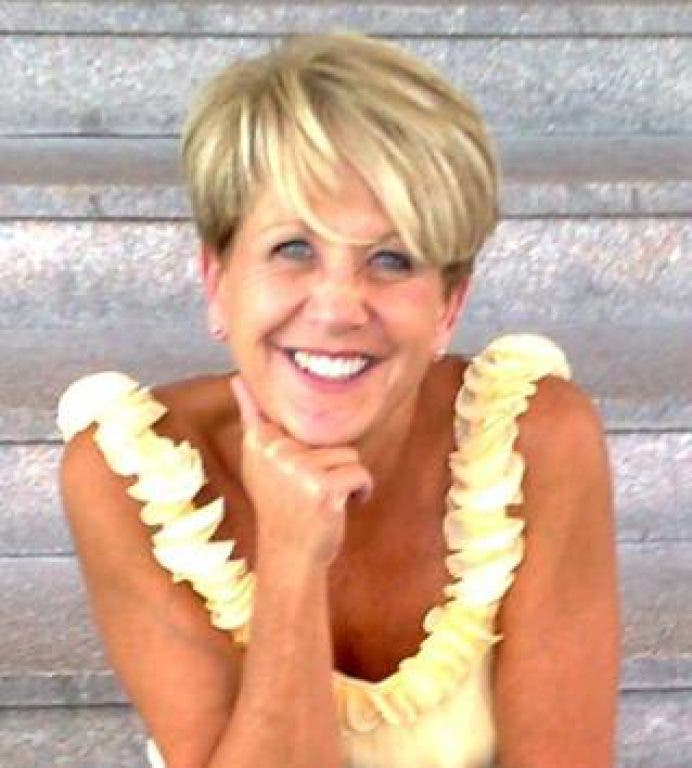
By Jill Gafner
It’s no surprise that caregivers feel overwhelmed. The 20 years I spent caring for my husband, Bob, took me to a breaking point more often than I can count. I remember thinking at one point that I could live or die and dying didn’t sound all that bad! Like many caregivers, each day would begin with hope that it would be better than the day before, sometimes it was, sometimes it wasn’t. What I knew for sure was that my responsibilities included taking care of Bob who was diagnosed as terminally ill at age 35 with lung and brain cancer, raising our 2 young children (age 5 and 6), working full time, maintaining our home, the bills, the meals, and most all decisions. It was a combination of 3 full time jobs all wrapped up in one, a formula for personal disaster, a common description for caregivers.
Life was about balancing Bob’s chemo treatments, radiation, medication, grand-mal seizures, pain management, infections, hospital visits,then there were school plays, girl scouts, karate, homework and extreme efforts made to make our dysfunctional lifestyle enjoyable. Since money was tight, correction – not tight, it was non existent, we modified our once middle class style to replace department store purchases with garage sale purchases, our gift giving to gift making, our entertainment to home activities, often attending a concert given by the kids in our living room. Caregivers adjust their life to the limits of their patient, seldom exhibiting their frustration or fears so as not to look weak or selfish, all the while adding to the depressed personal thoughts that can diminish their ability to act healthy.
Find out what's happening in West Bloomfieldfor free with the latest updates from Patch.
A caregiver is the person that sits at the end of the bed in the hospital room staying awake to watch their patient rest not giving thought to their own exhaustion. They are the person that is handed the patient instruction sheet, the prescription drug form, and the patient. On the outside they may appear confident; on the inside they may host emotional turmoil; silently.
In 2004, I came across a statistic that said there were 50,000,000 caregivers and that many of them would die before their patients. It was at that point that I knew I needed a survival plan as I refused to be that statistic. In the weeks that followed I committed to finishing a degree I had begun after high school, I set up a goal sheet on the wall in my office and worked at accomplishments day after day. I acquired an inexpensive treadmill and started actively working out in my living room to encourage a healthier routine and I made sure that I set aside 1 hour a day that I worked on “me”, albeit it was at 5 a.m., since everyone was sure to be asleep. In nearly every room of my house I placed yellow sticky notes to remind me of positive thoughts and keep me focused on survival. As Bob’s health declined, my ability to deal as a caregiver strengthened. In 2006 those yellow sticky notes became Personal Positioning for the Caregiver, a book I published through Aardvark Global Publishing Company to help caregivers everywhere survive.
Find out what's happening in West Bloomfieldfor free with the latest updates from Patch.
Caregivers take note –
Don’t give up on laughter; there are many reasons to laugh. Don’t give up the tears either; they can relieve an enormous amount of stress.
Be light in conversation when speaking to acquaintances. Keep a friendly and positive appearance without giving too much detail to weigh down a conversation.
Make time for friends and activities as often as possible. Since friends won’t want to bother you they may hold back invitations to socialize therefore it may mean you will be the coordinator of events. Stay socially healthy!
Keep communication open. Ask for help and accept offers from friends and family. Don’t worry about appearing weak, most people want to help, they just don’t know how. This will also strengthen relationships.
Create a daily routine to build your mind, body and soul. Make it about “you." Be disciplined so to strengthen your thoughts and actions. Don’t feel guilty about “you” time; you are entitled and deserve it!
Be sensitive to others, acknowledge their issues, and listen. It is quite normal for caregivers to feel like no one else has their sizeable problems, we dismiss other’s issues quickly which drives people away, something we can’t afford to do.
Make a plan, make it real, measure it often, and reward yourself. If survival is a goal then identify what is needed to survive and the approach you will take to accomplish it. Each accomplishment will add to self esteem and strengthen your ability to balance your inner self. Regaining a bit of control in your life through accomplishments gives us more confidence in our decision making practices which we could always use.
Don’t sweat the small stuff – prioritize your list. We can’t be all things to all people all the time. That which doesn’t make a difference can take a low priority, that which does is a top 10 item.
Consider this, most people seem unhappy, disturbed, frustrated or self- contained. Don’t be like them. Keep your personal space positive, it will eventually infect others and life will become that much easier to get through. Depressed conversations aren’t healthy – stay clear. Have your ”fall apart” moments and then straighten up – dust off and continue. The world around you will follow your lead.
Look for angels as they are everywhere. Examine those times when the odds were not in your favor for getting through a situation. Recognize the difference between good luck and the angels watching over you. What we can’t control we need to let go of, just know that somehow things work out.
Jill Gafner, Author of Personal Positioning for the Caregiver and Owner of Global Training Experts, lives in Shelby Twp., Michigan. Jill is a behavior and process based trainer supporting all industries. Her training has been delivered world wide including India, China, Korea, Europe and Mexico. In 2006 she published Personal Positioning for the Caregiver as a result of her 20 years of caregiving for her husband. Personal Positioning for the Caregiver is available at globaltrainingexperts.com. Jill will be a featured presenter at the on Saturday, October 15, 2011 in Novi.