Politics & Government
Flint Area Legionnaires' Disease Death Tally Higher than Thought
One death wasn't assigned to Genesee County due to woman's residence, but she had been hospitalized there.


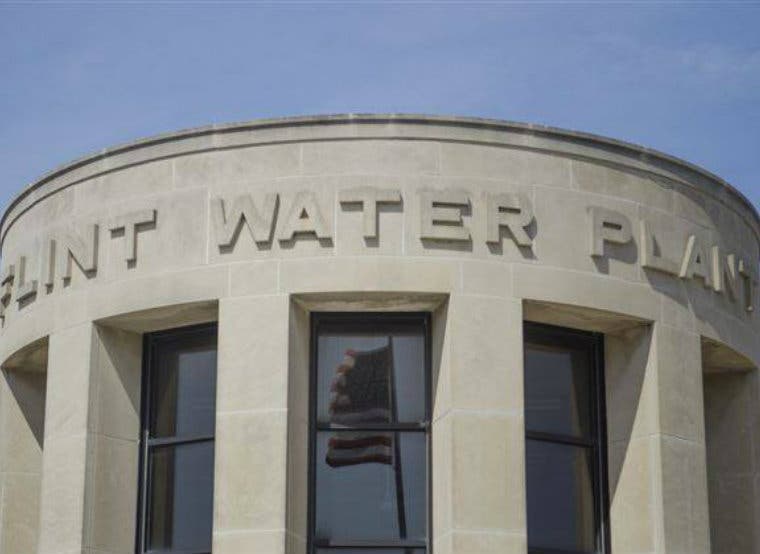
LANSING, MI – A 10th southeast Michigan resident who died of Legionnaires’ Disease was likely exposed in Genesee County, Michigan state health officials said Friday.
The death was confirmed as state officials investigate a possible link between a spike in Legionnaires’ Disease and the public health crisis in Flint, where thousands of residents were exposed to dangerously high levels of lead when the city began drawing water from the Flint River in 2014.
Since the switch, 88 cases of legionellosis have been identified in Genesee County, Dr. Eden Wells, chief medical executive with the Michigan Department of Health and Human Services said in a statement.
Find out what's happening in West Bloomfieldfor free with the latest updates from Patch.
Beleaguered Michigan Gov. Rick Snyder, who was hammered in a congressional hearing Thursday on his administration’s response to the lead crisis, including the Legionnaires’ outbreak, has ordered an investigation of the MDHHS.
Related
Find out what's happening in West Bloomfieldfor free with the latest updates from Patch.
The investigation includes a comprehensive review of all Legionnaires’ Disease deaths in the state. The most recently reported death wasn’t of a person who lived in Genesee County, Wells said, but the woman was hospitalized in the county within the two-week incubation period.
The updated report includes additional information on prior hospitalizations of case patients; more comprehensive information regarding potential community exposures; and an epidemiologic summary of cases with no known health-care exposures.
Some of the findings:
- Of the 88 total confirmed cases between June 2014 and November 2015, 31 people, or 35 percent, received city of Flint water to their residence.
- A total of 26 people, or 30 percent, had no known exposure to a Flint hospital in the two weeks prior to illness, nor were their homes on the Flint water system.
- Other possible exposures were evaluated and no known community or residential exposures have been identified.
- For the May 2015 to October 2015 time period, 43 Legionnaires’ Disease cases and five deaths have been confirmed in the Genesee County outbreak.
- Data previously indicated 42 cases and four Legionnaires-associated deaths for 2015.
- The number of cases for June 2014 through March 2015 time period has remained unchanged with 45 LD cases confirmed, including five associated fatalities.
Legionella is a type of bacteria commonly found in the environment that grows best in warm water, such as hot tubs, cooling towers, potable water systems and decorative fountains. When people are exposed to the bacteria, it can cause legionellosis, a respiratory disease that can infect the lungs and cause pneumonia.
The bacteria can also cause a less serious infection called Pontiac fever. Legionella is not transmitted person to person.
MDHHS has partnered with Wayne State University and continues to work with the Genesee County Health Department (GCHD) and the Centers for Disease Control and Prevention (CDC) on enhanced surveillance which will continue in 2016.
Get more local news delivered straight to your inbox. Sign up for free Patch newsletters and alerts.