Health & Fitness
Link Between Education Improvements and Workforce Development
The reform initiatives we are bringing forward at the Capitol will provide our children with a bright future and develop the workforce our state needs for economic stability.
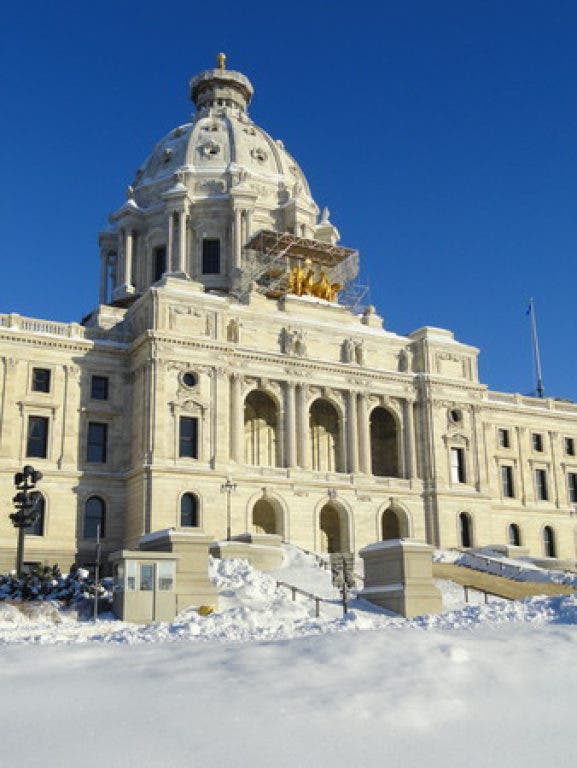
Minnesota’s strong schools have provided us with a high quality of life and renowned workforce throughout the years. That said, we should never cease striving to do better.
It is natural for me to take a particular interest in legislative proposals to improve our state’s educational system, especially since I am an economics teacher at Rosemount High School and a parent of four children who attend public schools in our district.
This session, the House passed a bill which provides school districts with flexibility to make personnel decisions on performance and other factors instead of only seniority. Minnesota currently is one of only 11 states with this “last in, first out” (LIFO) requirement. It is not in the best interest of our children to put years of service ahead of teacher effectiveness. Staffing decisions should be made at the local level, not through talent-blind, statewide legislation.
Find out what's happening in Apple Valley-Rosemountfor free with the latest updates from Patch.
Another bill we passed this year requires teacher candidates required to pass a basic-skills examination; the governor recently signed it into law.
We also enacted key reforms in 2011 to increase principal and teacher accountability through performance-based evaluations. The criteria are meant to be flexible to accommodate each district’s needs and goals for developing, supporting and evaluating. Teachers will be evaluated under a locally agreed-upon process, or a process developed by the education commissioner if the local district, teachers and parents are unable to establish a policy. Of course, I have every confidence in these people to engage in and construct effective policies.
Minnesota’s ability to rebound from the recession and thrive globally is closely linked to our ability to educate our next generations of workers, preparing them to meet the challenges of an ever-changing world. We must look to both short- and long-term planning to develop a diverse workforce to meet demand in a variety of sectors.
Find out what's happening in Apple Valley-Rosemountfor free with the latest updates from Patch.
The Minnesota Dept. of Employment and Economic Development issued a report last fall which said nearly half of the manufacturers surveyed could not fill positions because of a shortage of qualified job candidates. The 2011 Minnesota Skills Gap Survey also indicates 45 percent of the manufacturers consider this shortage of skilled workers to be a moderate or serious problem.
I also read with great interest a Feb. 18 editorial in the St. Paul Pioneer Press which touched on a related topic. State economist Tom Stinson indicated 92 percent of Minnesota's workforce today has at least a high school diploma. But, here’s a red flag: Current high school graduation rates are 76 percent overall and 50 percent for minorities. That graduation drop-off – and the troublesome achievement gap – means we are running a deficit in restocking our labor pool with quality workers.
A child’s education starts at home and I encourage families to play an active role in helping our kids learn and grow, from infancy into adulthood. But the strength of our schools and teachers also is crucial. The reform initiatives we are bringing forward at the Capitol will help hold our educators – including me – to higher standards.
I look forward to continuing bipartisan work with Gov. Mark Dayton and his staff on education reform and welcome the challenge of providing a brighter future for our children. Our students and Minnesotans in general will benefit from these advancements.