Neighbor News
Setting Your Children Up for Financial Success
Financial management skills are some of the most important skills a person can have and in many cases, those skills can be learned at home.
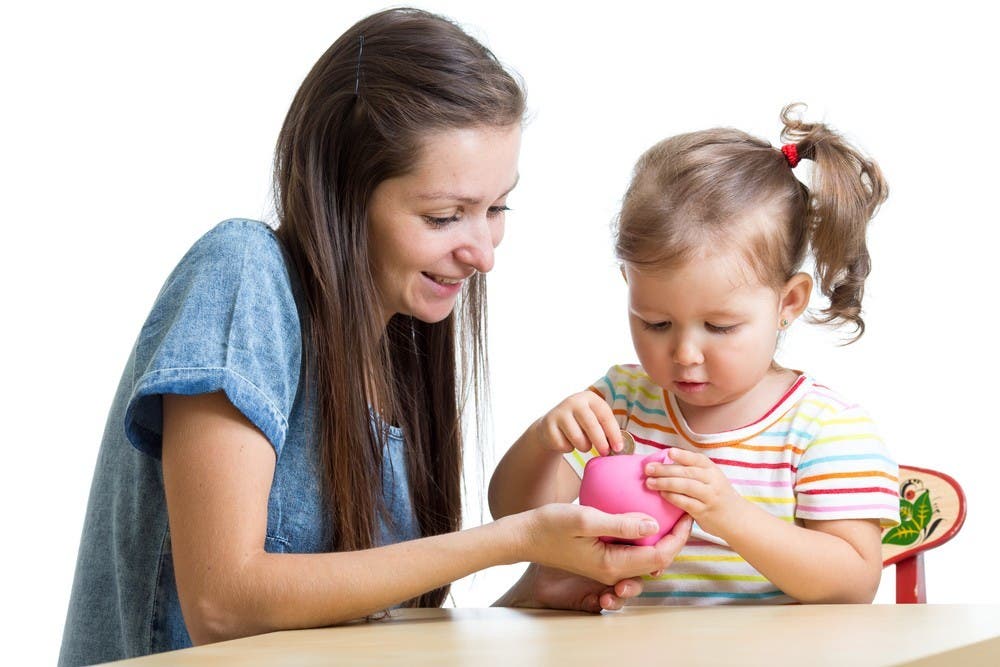
Good financial management skills are some of the most important skills a person can have in life and in many cases, those lessons are learned right at home. When it comes to teaching your kids good financial habits, you often don’t have to go out of your way to teach lessons that can last a lifetime. Simply setting a good example and explaining why you spend money the way you do can be an extremely effective method of teaching. Even from a very young age, children are able to start understanding important concepts like sometimes having to wait and save money to buy something.
It’s very important to involve your children in your financial decisions, even if it’s something as simple as bringing them with you when you go shopping and explaining to them why you buy the things you do, like buying one brand of crackers instead of another because it’s on sale. Explaining your spending habits to your kids also helps them to understand that money is a limited resource that needs to be used wisely.
Even from a young age, it’s good to encourage kids to set aside money to reach a goal. Even a small goal like saving up for a fairly inexpensive toy is something that can start a lifetime of smart spending and saving habits. If you want to teach your child about simple budgeting, many people like to have their kids divide any money they get into three different jars: spend, save, and share. The money doesn’t necessarily have to be divided equally between the jars, but it’s an easy way to introduce them to the principle of budgeting.
Find out what's happening in Eaganfor free with the latest updates from Patch.
As your child starts heading into their teenage years, you can start introducing them to more complex concepts like investing, interest, and credit. If they have a good amount of money saved, you may want to consider opening a basic checking account in their name at your bank or credit union so they can get used to having one. If they’ve reached the age where they have a good amount of regular expenses, you may want to consider letting them get a low-limit credit card so they can start establishing good credit by charging relatively small amounts and paying it off in full each month.
If you feel like you need help teaching your kids about good money management skills, your bank or credit union might be able to help. Lots of banks and credit unions have programs and tools designed to educate children and young adults about how to manage their personal finances. Genisys Credit Union, for example, has their FamilyMint program, which allows kids to set savings goals, watch their progress, and keep track of their purchases while parents are able to monitor their transactions and pay out allowances.