Health & Fitness
Basic Mulch Primer: What to Use and Why
Mulching is beneficial to your plants and your soil. Mulching keeps the soil cool. You will use less water. There are many types of mulch you can use.
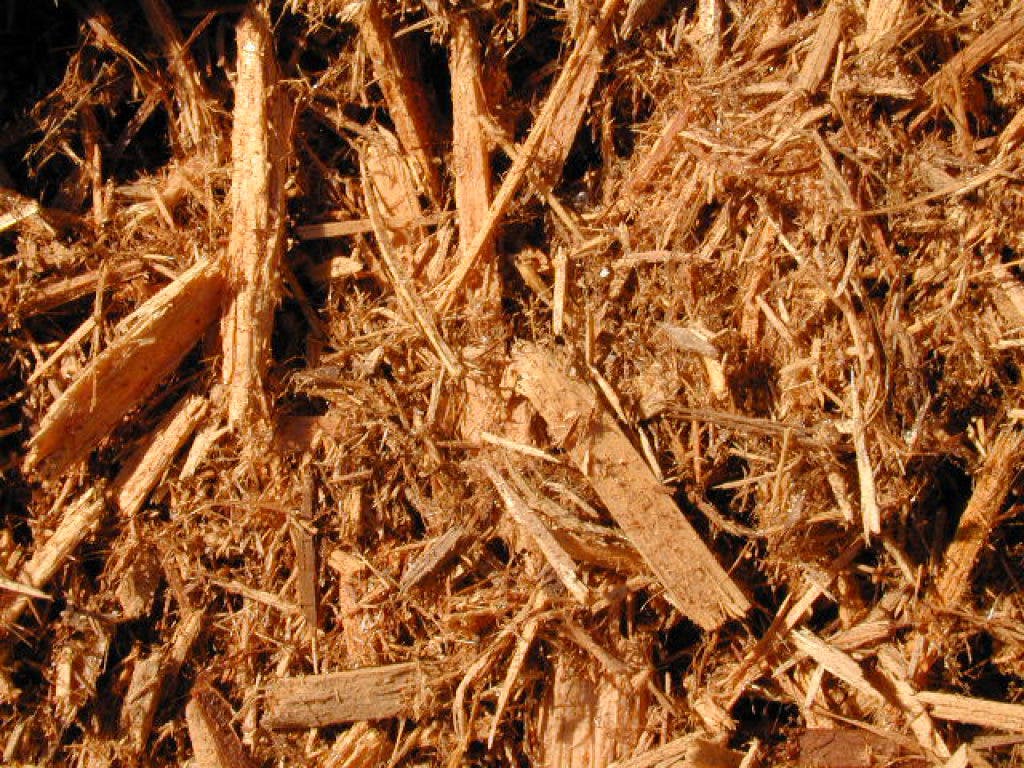
You may have already added mulch to your yard and garden. If not, consider adding mulch now or this summer (when the garden centers should have great discounts for you). Mulch can protect your plantings from moisture loss. They can help you control weeds. They can help keep the soil cool and if our summers are going to be a repeat performance as they have been this summer, then consider mulching.
Some people do not like using mulch, preferring bare soil in the planting area. Certain mulches appear messy to some folks. Bare soil will dry out faster and subsequently heat the ground. Your plants will need extra water. It may be easier to plant, weed, and add granular fertilizers with bare soil, but mulches have a beneficial effect not only for your plants but the composition of the soil itself.
Yet not all mulches are alike. There are positive and negative issues to consider.
Find out what's happening in Edinafor free with the latest updates from Patch.
Rock Mulches: Many of you have rock mulch around your home. Rocks are heavy. They cost more. And after hauling wheelbarrows full of rocks from your driveway to the back of your house you may wonder what you were thinking when you decided on rock. Did you notice your arms getting a bit longer? But rocks are permanent. They come in different colors and textures. You set them in place and they tend not to move, unless you have some little two-legged critters around who want to practice throwing rocks against your windows.
Rocks, like any mulch will settle over time, but you won’t have to add much as you would with other mulches. Rocks do not decompose. They won’t rot. They won’t blow away or wash away in a normal (or even above normal) rain fall. The exception is lava rock, which can float away. They won’t add any organic matter to your soil (but maybe you don’t care about that). When you use rock around the foundation of your home, make certain you have set your plants in first and that is where you those plants to live for a while, a long while.
Find out what's happening in Edinafor free with the latest updates from Patch.
Perhaps the biggest drawback to having rock mulch is removing it if you change your mind and want to add more plantings in that area. Removing rock is almost as much work (more?) as when you first added it to your yard. It is a chore to remove rock that has been in your yard for a while.
Organic Mulches: These are materials that once “lived.” Organic mulches include wood chips, wood nuggets, bark, compost, grass clippings, leaves, newspapers, cardboard, and so on. Organic mulches are lighter than rocks and some can be just as costly.
If you have organic mulch materials around the foundation of your house or in your yard and garden, you will be adding some nutritional matter to your soil. However, do not use a wood chip product next to your foundation. You may be able to pick up some free wood chips from tree trimmers or your community recycling center, but do not use them close to the house. Ants like to nest in wood chips, so keep them away from your house.
Organic mulches of all stripes need to be replenished every few years. They settle. They decompose. They seem to disappear on you. Grass clippings, for example, will normally decompose in a few short months, depending on the depth of the clippings. Grass clippings are high in nitrogen and, while you can use them as a mulch, they are best left on your lawn. They do not cause thatch! Keeping grass clippings on your lawn will allow you to use at least one, probably two, fewer fertilizer applications. That will save you money.
Wood nuggets and some chip products will tend to float away on you in a good rain storm (do you recall the torrent we had last week?). Wood bark products, such as Western Red Cedar, are better. Bark is a natural “skin” and a protection-barrier for the tree. While insect critters may bore through the bark of a tree, not many will actually eat the bark, so if you have a choice select a wood bark mulch.
You can use organic mulches in your vegetable garden. Wood chips make a great path. You can use them around your tomato plants to prevent certain diseases, such as Septoria Leaf Spot. Yes, organic mulches will decompose over time and when they do or when you work them into your garden soil add a little extra nitrogen to compensate for the nutrients they will draw from the soil as they decompose.
Organic mulches are easy to pull back when you want to add annual or perennials to the area. They tend to hold moisture and cool the soil when
they are about 2-4 inches thick.
Recycled Rubber Mulches: These are synthetic mulches created from chopped up products. They won’t break down. They are in most garden centers and come in a variety of colors. Rubber mulches can float away on you, however. There is a slight odor, which may or may not be of concern to you. If you like recycled synthetics, maybe this is a good choice for you.
Use Weed Fabric: Regardless of the mulch you choose, each type of mulch will help to prevent or slow the growth of weeds, especially if you use a good quality weed fabric under the mulch. The fabric will allow water to seep through to any plantings you have and it will help prevent weeds from growing. Over time, weeds may peek through, but for the most part using a combination of weed fabric and mulch is a great weed barrier. Adding weed fabric will extend the life of organic mulches and prevent rock mulches from sinking too deeply into the soil.
All mulches can harbor insects, some of which are beneficial, others not so much. All will keep soil temperatures relatively cool, which is important when temperatures climb as they have these past few weeks. Any mulch should not touch the trunk or stems of your plantings. Mice and voles will make a comfy home against them and find eating the bark of your younger trees nice and handy. Add 2 to 4 inches of mulch around your trees to protect tree roots. Adding mulch around plantings can help prevent soil compaction and prevent damage caused by weed trimmers and lawn mowers.