Health & Fitness
Jump Start Your Fall Clean Up
Start your yard and garden clean up now. Remove plant debris to reduce insect and disease problems next year.
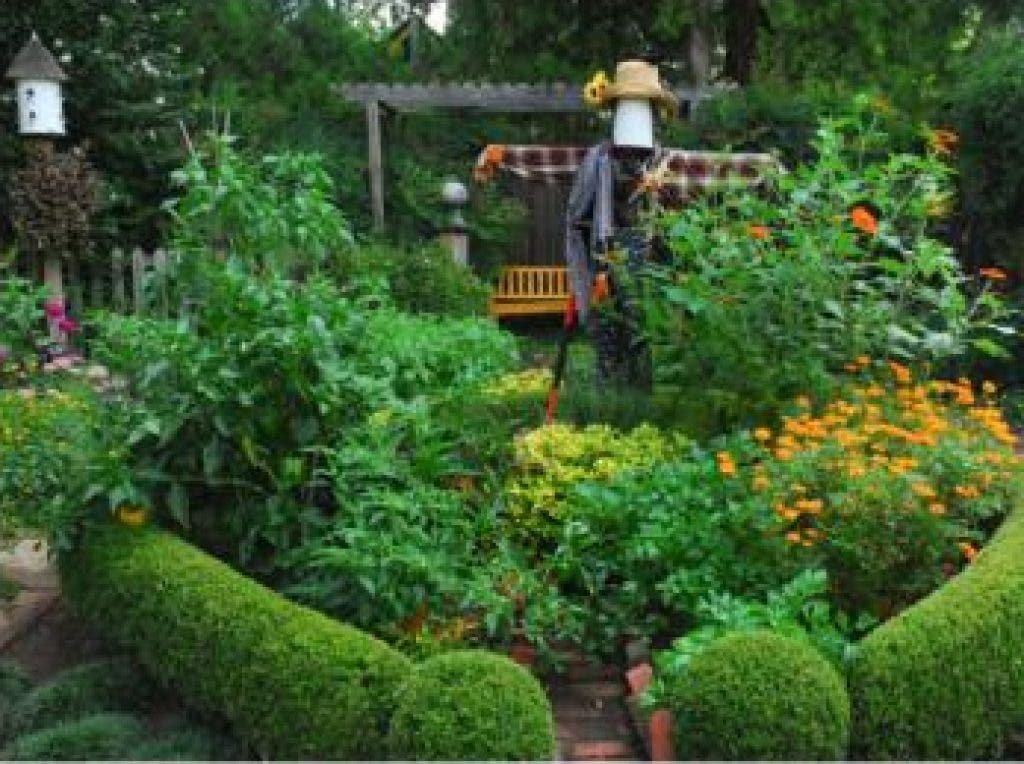
If you are like me you have already started to clean up your vegetable and flower gardens. Some of your trees may be dropping their leaves. Don’t wait until it gets chilly-willy out there. Cleaning and winterizing your yard and gardens can start now.
I still have some vegetables growing in my garden—tomatoes, peppers, sweet potatoes, chards, escarole, and Chinese cabbage for example. I harvested
all of my potatoes (Norland, Yukon Gold, Kennebec, and Pontiac) and have
recycled the plants for composting. I rinse the tubers and dry them in my
garage for about three weeks so they will store well for the winter. My onions (Copra, which are a great storage onion) are out, dried, and ready for storage as well.
Most of my tomato and pepper plants are still producing. However, some plants are looking a bit tired. Those I remove and recycle. Remove plants as they cease to produce, flowers and vegetables. Cleaning up little by little makes the process fun and more enjoyable, rather than you seeing it as a task. You want to remove your garden debris before some of the bad-bug critters find homes for the winter.
Find out what's happening in Edinafor free with the latest updates from Patch.
I turn over the cleared areas with my tiller while it is still warm. The weed seeds will germinate. What? I want the weeds to germinate. The more seeds that germinate now, the fewer weeds I will have next year. The weeds will grow to be sure, but will not have time to set seeds as the days and nights become colder. When I turn the garden over for the last time in October, the weed material becomes green matter and helps to build soil structure. At that point, the weeds are not weeds to me but material for composting.
As you rake up your leaves, spread them and any unused granular fertilizer in your gardens. Use a tiller if you have one or consider renting or hiring someone to till in your organic material and commercial fertilizers. You can do this by hand of course, but depending on the size of your gardening area a machine might be a good choice. This process of adding organic matter and fertilizer and turning over the soil in the fall will speed up the decomposition process and build your soil structure for greater success next planting season.
Find out what's happening in Edinafor free with the latest updates from Patch.
Compost your plant material as long as it is not diseased. You can compost it as long as your compost pile reaches 130-150 degrees for several days. The heat will destroy the pathogens and weed seeds. If you are not sure about the temperatures in your compost piles, set that material in your recycle bin for your weekly pickup.
Drain all of your hoses. Clean all of your tools and containers. Rinse them in a bleach-water solution (1:10) for several minutes to remove any pathogens. Dry and store them for the winter.
Between now and the end of October make sure you deep-water all of your trees. Last year was a drier snow year. This summer was very hot and dry and September is not looking very moist so far. Your trees, bushes, and other perennials may experience stress as a result of our drought. Water them. Consider buying a deep-watering probe that you can attach to your garden hose.
Let the water slowly penetrate an area before you move it to another section of the tree roots. I water an area for at least three to four hours before moving it
to another section. You want the water to get down to where the feeder roots
are. Doing this will help your trees survive the winter and provide them with a
good start next year, regardless whether we have a lot of snow cover or not. Watering the surface is not beneficial.
You can apply fertilizer to your lawn now. I use only two applications of a “weed and feed” fertilizer per year—one application before the end of October and the second application around the end of April or the first weeks of May. Both applications will prevent most weeds from germinating and get your grass off to a good start for next year. You do not need any more fertilizer on your lawn. Forget the four to five applications! Oh, and there is no need to bag your grass clippings. Keeping the clippings on your lawn is the equivalent of adding another application of fertilizer. No, grass clippings do not cause thatch!
When was the last time you had your lawn and gardens tested? I thought so. Consider getting your soil tested through the University of Minnesota for $15 per sample (http://soiltest.cfans.umn.edu). The process is simple. The results will tell you what is in your soil now and what type of fertilizer you need, if any, for your lawn, flowers, or vegetables. Keep each sample separate (lawn, flower, veggies), mail it in to the UMINN and within a week or so you will have your results. Know what is in soil before you dump a whole lot of fertilizer or other chemicals in your yard and garden.
Cleaning or winterizing helps to reduce disease and insect populations. Recycling your plant material and leaves will help build the soil for your flowers and veggies. Keeping your tools clean will ensure that they will last and prevent the spreading of disease from one plant to another. Watering your trees (deep watering, not sprinkling!) will reduce stress from our dry season and ensure that they will be around for you to enjoy next year.
Got questions? I will be more than happy to respond.