Health & Fitness
Tomatoes and Hot Weather
High temperatures can cause blossom drop on your tomatoes and other plants.
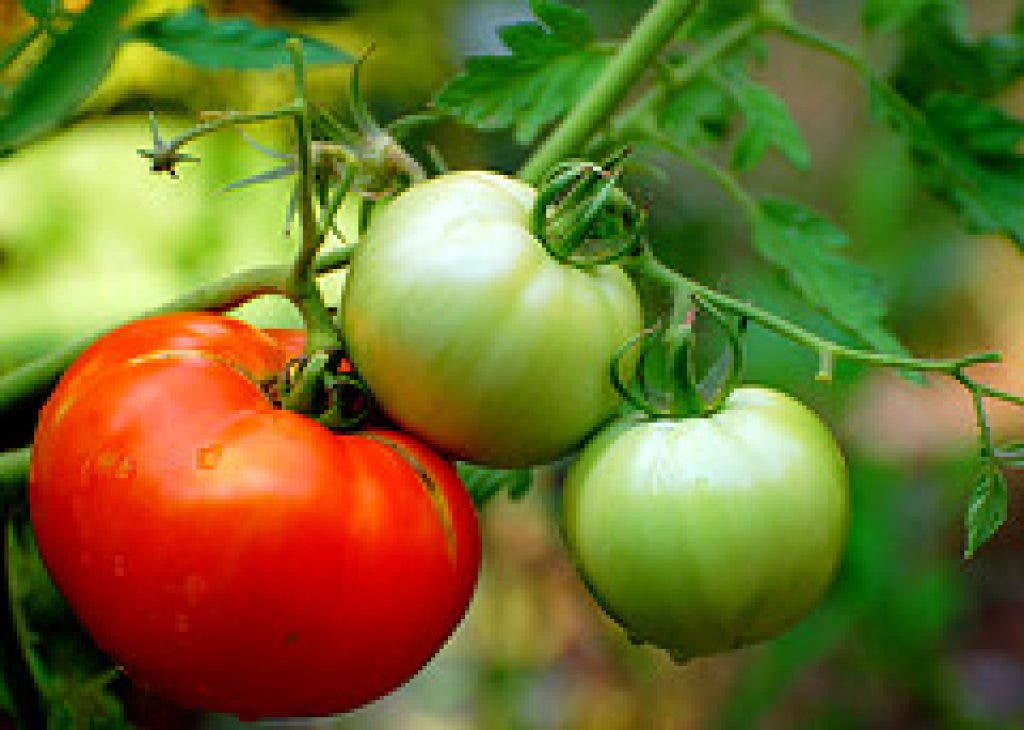
Do your tomato plants have lots of blossoms? Great! Having lots of blossoms, however, does not always produce a bumper tomato crop. Have you noticed how hot it has been lately? Your tomatoes (peppers and eggplants and other vegetables) have noticed the heat. All plants react to heat in different ways.
When temperatures remain above 85 degrees F. for several days (as they have) and night temperatures remain above 75 degrees (as they have), plants start dropping their blossoms. High day and night-time temperatures can affect pollination and fruit set. We had a few days over 100 degrees. That can affect your tomatoes—especially the red, orange, and yellow varieties. For example, very high temperatures over a period of time can cause the red pigment in tomatoes to stop forming, though your yellow and orange tomatoes may fare better.
We may not have any more 100 plus days, but if we do consider picking the tomatoes just as they start turning red. Ripen them indoors at room temperature. Temperatures above the 90 degree mark will slow tomato growth. If you planted the larger-fruiting, sandwich-filling varieties with longer maturity times, you may not have the harvest you were expecting. If temperatures cool a bit and we just happen to have a plant-temperature-cooperative fall, you may be able to harvest them in late September. Or not.
Find out what's happening in Edinafor free with the latest updates from Patch.
Your variety is fine. The high heat is the culprit and tomatoes are not the only plants to suffer.
Cucumbers are also affected by multiple days of excessive heat. Cucumbers will drop blossoms. The fruit may be misshapen. Some will have a bulge on one end. The high temperatures of this summer can cause your eggplants and cucumbers to taste bitter. The smaller, pickling cucumber types would be more affected than the longer “burpless” varieties. That said, dry weather, poor germination, and foliage diseases can cause this same effect. You can get around most of the bitterness by peeling the skin. If you grew Diva or Iznik cucumbers, for example, you could be eating them with the skin on. Do they taste bitter? Okay, peel them and they should be fine.
Find out what's happening in Edinafor free with the latest updates from Patch.
Other vegetables can be adversely affected by the heat. Squash, melons, pumpkins, and beans can shed their blossoms and go into “survival mode.” The melon variety, Minnesota Cantaloupe, tends to hold its blossoms better than other varieties. Did you raise Lettuce? They can bolt rapidly in higher heat conditions, creating a seed stalk. They become bitter. Broccoli, cabbage, spinach, kohlrabi, are cool season crops and you may have already harvested them, but if they are still in your garden they can also be susceptible to bolting, especially if the heat returns.
So what’s a gardener to do? We have no control over the weather. And writing nasty emails to your favorite weather man will not change the weather. He or she has no control either. So what can you control? Keep your garden watered. Mulch your plants (though you that should have been done around July 4th). Consider planting seeds such as radishes, beets, spinach, kohlrabi, and lettuces now for a fall crop.
Feel free to send me a post about what you are experiencing in your garden. I will be happy to respond.