Health & Fitness
Tomatoes, Leaf Spots and You
Leaf spots of tomato diseases should be appearing on your plants now. Read how to identify, remove, and limit their damage.
Tomatoes of all varieties are susceptible to a variety of diseases that affect the fruit and the plant structure itself. Potatoes, Tomatoes, Peppers, and Eggplant are members of the Solanaceae family. Some of the diseases that affect Tomatoes can also affect Peppers and Eggplants. Today, the focus is on Tomatoes.
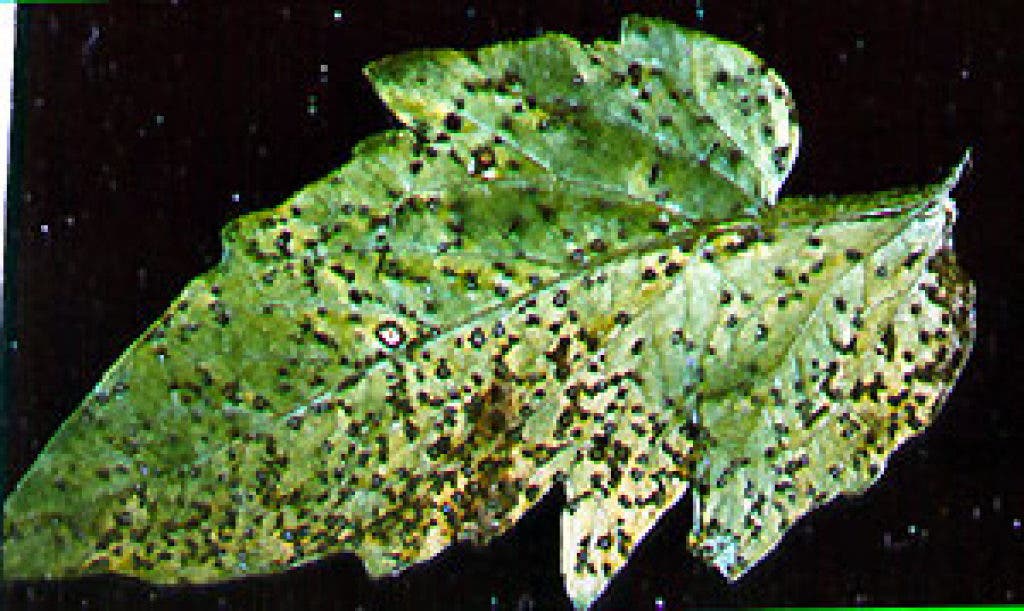
There are different types of leaf spots—Early Blight, Bacterial Spot, and Septoria Leaf Spot or SLP. All are pathological fungal agents that are quite prolific and common in the tomatoes that you grow in your backyard. These leaf spots do not affect the fruit, but attack the leaves, stems, and blossoms. One of the more common leaf spot diseases is Septoria Leaf Spot.
The organism responsible for the disease, Septoria lycopersici, can live in the soil and garden debris for up to three years. It can also spread by the wind and rain. Affected plants will continue to fruit, though your yield will suffer. Affected plants lose foliage making the tomatoes vulnerable to sun damage. If you are growing tomatoes, now is the time to examine the lower leaves of your plants.
Find out what's happening in Edinafor free with the latest updates from Patch.
Symptoms
SLP always starts at the bottom of the plant and works its way towards the top. The lowest leaves on your Tomato plants will be affected first. You will notice small tan-brown spots on the leaves during the earliest stages. As the fungus spreads, the tan spots will turn black. The affected leaves often shrivel and die as the disease spreads and grows in size.
Find out what's happening in Edinafor free with the latest updates from Patch.
Your plants need water to survive. SLP is in the soil and when it rains or you use overhead watering with your garden hose or sprinkler system, the splashing of the water on the surface releases the fungus and hits the lower leaves of the plant first.
Wet foliage is a great breeding ground for SLP. We have had a lot of rain and a lot of heat recently, which provides ideal conditions for leaf spot pathogens. You cannot control when it rains. And you may not have a drip irrigation system. You can, however, control when you water. I suggest you water as early in the morning as possible. This gives the foliage time to dry out during the day. Watering at night or early evening is not a good idea.
Cure and Management
Mulching can reduce SLP damage. It can prevent the spores from splashing onto the plants, i.e. the lower leaves, during watering and when it rains. You can mulch with a variety of materials, such as grass clippings, newspaper, weed fabric, and straw (not hay, it has too many weed seeds). Plastic works as well, especially red plastic, if you use a drip watering system. Otherwise, the plastic can prevent water from reaching the roots.
Remove all infected leaves as soon as you notice them. Check your plants today, starting from the lower branches.
Toss the infected leaves. Do not leave them on the ground in your garden. You can compost them as long as the compost gets hot.
Stake or otherwise support your plants for better air circulation.
Remove any weeds that are next to the plants.
At the end of the growing season, remove all tomato plant material and weed debris and recycle it. Some of you may want to compost these materials. Better to recycle them through your community or bag them up for your friendly garbage-refuse company.
If you have access to a roto-tiller you can bury any remaining debris and roots to a depth of at least six to eight inches. Soil micro-organisms will break down the infected plant material.
Practice rotation based on Botanical Families. Tomatoes, Peppers, Eggplants, and Potatoes are members of the Nightshade or Solanaceae Botanical Family. They can be planted in the same area during the same growing season. However, none of these plants should be planted in that area for at least three years. I use a five year rotation plan.
Garden centers sell fungicides that you can use, however you may need to apply it every week, depending on the directions, and I am not sure that it is worth the cost or effort. Regardless, read the label instructions before you purchase and apply any fungicide.
You are growing tomatoes for the fruit, not the leaves. So unless your plant has lost over 50% of its leaves, you should not see a significant drop in the yield. In any case, the fruit is safe to eat.
In short, you may not be able to prevent SLP, but you can limit its damage by rotating, mulching, removing the affected leaves as they occur, and cleaning all debris from your garden in the fall.