Health & Fitness
When to Harvest your Veggies
When should you harvest your veggies? Harvesting when they are younger and in the morning will result in a better tasting product.

You prepared your garden. You planted your seeds, purchased your plants, watered, fertilized, weeded (well, a little anyway), waited for the sun and rain to do their thing, and there you rest, on your hammock, waiting for the veggies to grow and get nice and big so you can harvest them. So, when exactly do you do that? That depends.
When you harvest depends on what you are growing. Different varieties can have different maturity dates and recommendations for when to harvest them. Harvesting vegetables in the morning or just before you are ready to eat them is better than picking them and letting them sit on your counter or in your refrigerator. Freshly picked vegetables will be firmer and the flavor better. It is also better to pick the vegetables when it is cooler rather than in the hot afternoon sun.
You can harvest green zucchini summer squash when they are about 5-7 inches. They are tender and have a milder taste at that size. Or, you can wait until they grow into baseball-bat-size monsters to impress your friends, rather than your taste buds. Winter squash should not be harvested much before Labor Day, depending on the variety.
Find out what's happening in Edinafor free with the latest updates from Patch.
Leafy veggies can also be harvested when they are small. You see these salad-ready mixes in the grocery store. Lettuce is better harvested when it is smaller. Harvest lettuces by cutting them about an inch or so from the ground. Lettuces (and Chards, Spinach, Dandelion) will re-grow and you can harvest them again later in the season. Generally, lettuces are tenderer when harvested in the spring. Plant escarole now and harvest them into early November (depending on the weather). Escarole is a bit more cold-hardy and makes a great addition to your menu later in the year.
Most kohlrabi varieties are best harvested when they are about one – two inches in diameter, though some varieties like Kossak will grow to about 4-5 inches in diameter and not turn woody. Broccoli, another Cole family plant, can be harvested when the heads are anywhere from three to five inches across, depending on the variety, and definitely before they flower. Some varieties produce one large head, while others will produce many smaller heads. Keep cutting these smaller heads and you will extend the harvest. All cabbage produces a single head. However, some varieties will produce multiple, smaller baseball-size heads when you cut the head about an inch or two above the soil.
Find out what's happening in Edinafor free with the latest updates from Patch.
Do you raise beets, carrots, turnips, or radishes? You can harvest these at almost any size. Pull one or two. If the size and flavor are acceptable to you, consider pulling enough for each meal. If you planted them a bit closer, thin out the larger ones to eat, while letting the others mature a bit longer. Harvest some of the beet leaves for your salad. The longer you keep radishes in the ground, the sharper (hotter) they become and you risk insect damage. You can keep beets in the ground for most of the summer, however, check for Vole damage. These critters tend to chomp away at the beet that is exposed above ground. Not so good.
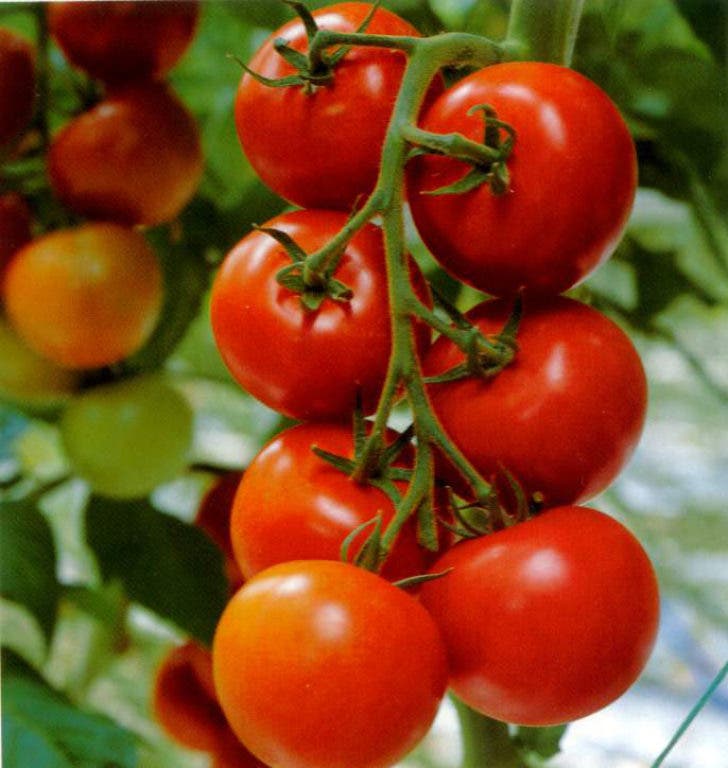
Tomatoes, peppers, and eggplant are easy to harvest. Pick your tomatoes when they are red-ripe (or yellow, purple, striped if you grow those varieties). Some folks prefer to harvest red tomatoes when they are more orange-red. They are firmer, but may not have the full tomato-taste. Some peppers will turn purple, orange, yellow, or even brown, again depending on the variety. Pick your peppers at a size that is appealing to you. If you let green peppers mature, most will turn red and be much sweeter. Eggplant, like tomatoes and peppers, come in a wide range of shapes, from round to tubular, purple to white. For the best flavor, pick them when they are smaller.
Keep your tomatoes, peppers, eggplants, and cucumbers on the counter rather than in the refrigerator. A day or two in the refrigerator is okay, but they are warm-weather fruit and will retain their flavor better by not being in the refrigerator.
If you plant onion sets, you can harvest them at any time they are 6 inches tall. You can plant onion sets throughout the summer. Chop the entire plant, green leaves and the small white bulb, for your salad or to add to your stir fry. If you planted onion plants, they will tell you when it is time to harvest. These are late season veggies. The leaves will start to brown and flop to the ground. If you want to store them for the winter, dry them thoroughly in the sun, then bring them into your cold cellar or a cool place in your basement.
You can harvest pea pods at almost any size. Varieties that you grow for the peas inside the pod can be harvested when you see the “bumps” in the pod. Likewise for beans—bush or pole beans. The longer you let them mature, the more stringy or tough they become. Try some when they are small. You like? Keep harvesting. No flavor? Too small? Wait another few days and they will be larger and perhaps at a size that you prefer.
When to harvest? Where did you purchase your plants or seeds? The label or packaging should identify how to grow them and when to harvest them. Are you still not sure? Check out your favorite grocery store or vendor at the farmers’ markets. What size fruit and vegetables are they selling? What is the color of their product? Harvest your veggies at that size and color. Better to harvest when they are a little smaller (and more flavorful) than waiting for them to turn into State Fair entries. Enjoy!