Community Corner
Edina Church Joining Fight Against Malaria
Children in Normandale Lutheran Church's Sunday school program are working to raise money to combat the deadly disease.
Malaria is a killer. Evidence of the lethal disease lurks in ancient writings by the Chinese and in Egyptian mummies. But while bubonic plague, smallpox and polio have been brought under control by vaccination and antibiotics, malaria has remained one of the world’s greatest public health problems.
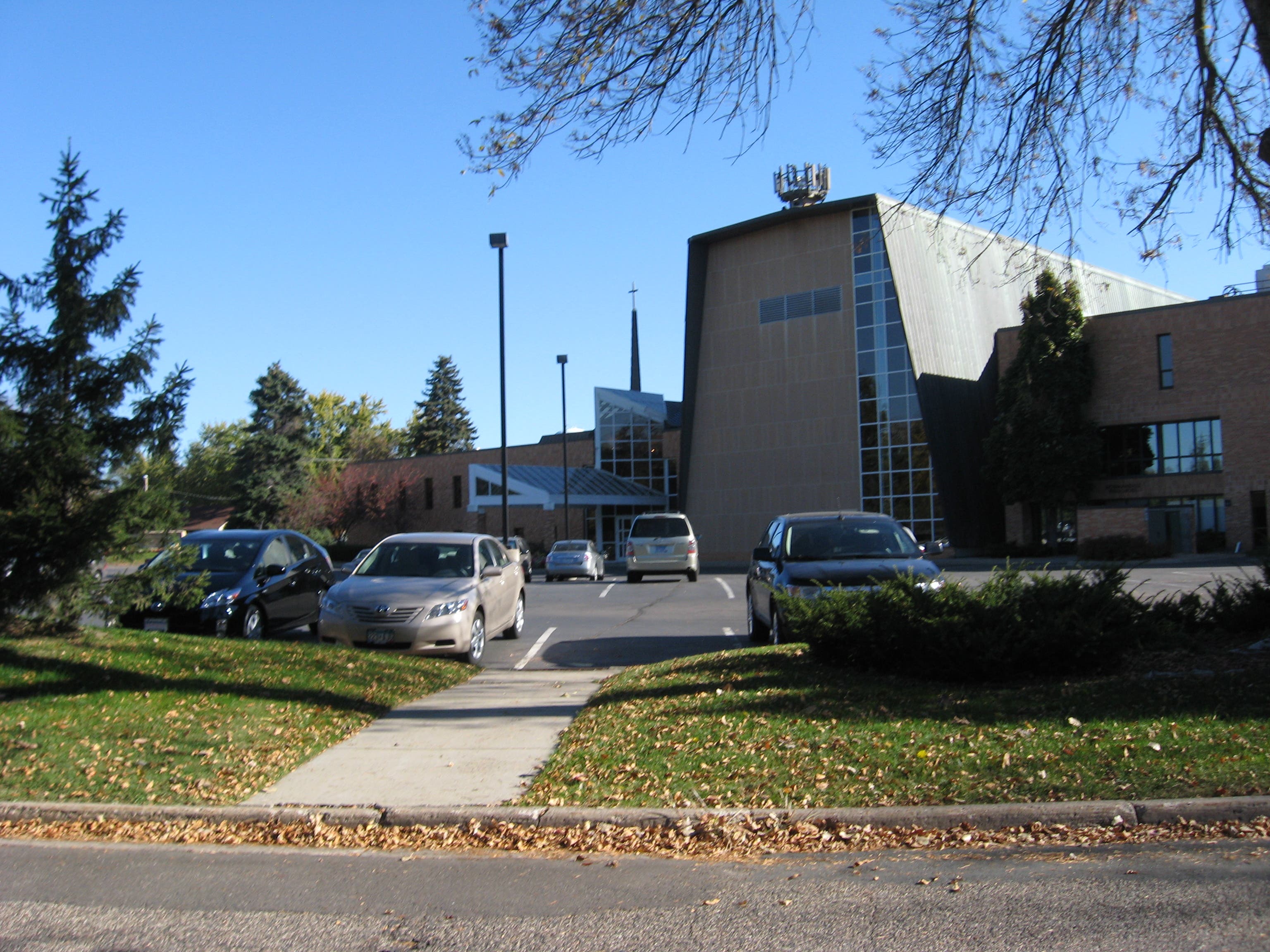
Children in the Sunday school program at Normandale Lutheran Church in Edina are joining the fight against the deadly disease.
According to Liz Paul, Director of Children and Family Ministry at Normandale, the kids have brought in $5,042.29 since September and will continue collecting offerings for the Evangelical Lutheran Church in America (ELCA) Malaria Campaign until May.
Find out what's happening in Edinafor free with the latest updates from Patch.
The ELCA works with local, community-based partners and churches in Africa to distribute mosquito nets and medicine. In addition, village health teams are trained to diagnose, treat and prevent malaria.
Nearly all adults in both India and Africa have been infected with malaria at one time or another, and the disease is especially deadly among children. In Africa, a child under the age of 5 dies of malaria every 60 seconds.
Find out what's happening in Edinafor free with the latest updates from Patch.
Many people living in regions affected by malaria come down with it four to six times each year and are unable to work while fighting the disease. The World Health Organization estimates Malaria can decrease gross domestic product by as much as 1.3-percent in countries with high disease rates.
Anopheles mosquitos are the carriers, or vectors, of Plasmodium parasites. The mosquitos bite mainly between dusk and dawn and a bite from an infected female mosquito introduces malarial parasites into the blood of the victim. The parasites then disappear from the blood into other organs, like the liver, where they go through a life cycle which eventually takes them back into red blood cells of the human host.
The parasites rupture red blood cells in intervals of 48 to 72 hours, causing the chills and intervals of high fever associated with malaria. Deadly complications occur when infected red blood cells stick together and obstruct blood vessels, damaging tissue and organs, or large numbers of red blood cells are destroyed. Children with malaria frequently develop severe anemia, respiratory distress or cerebral malaria.
Drugs to prevent and treat malaria are available, but some of them, like Lariam, can cause hallucinations psychiatric problems. The malaria parasite is developing resistance to others, like chloroquine.
Fortunately, new drug cocktails are being formulated to treat malaria. Many include the drug artemisinin, discovered by Chinese scientists during the Cultural Revolution. Artemisinin’s discovery is being talked about as a candidate for the Nobel Prize in medicine and is derived from a plant known as sweet wormwood.
A malaria vaccine is also showing promise, but at the moment, controlling mosquitos is the best way to prevent new cases. and the kids at Normandale Lutheran Church hope the money they raise will save many lives.