Community Corner
Edina Takes Step Toward Cleaner Water
The City Council unanimously banned coal tar sealant.
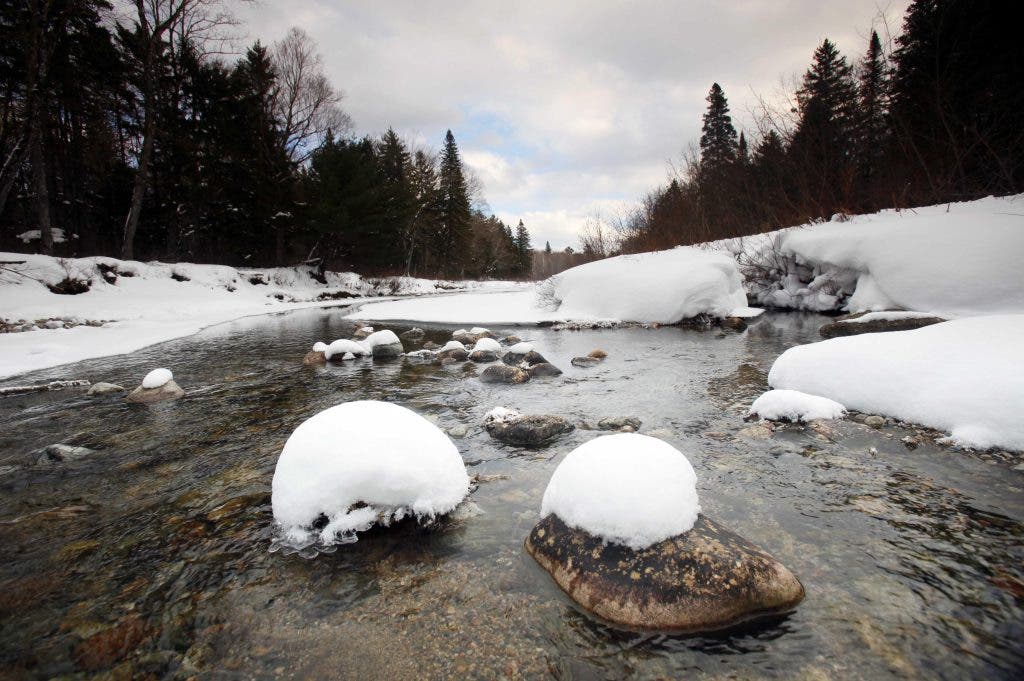
Minnesota’s lakes and waterways are its treasures.
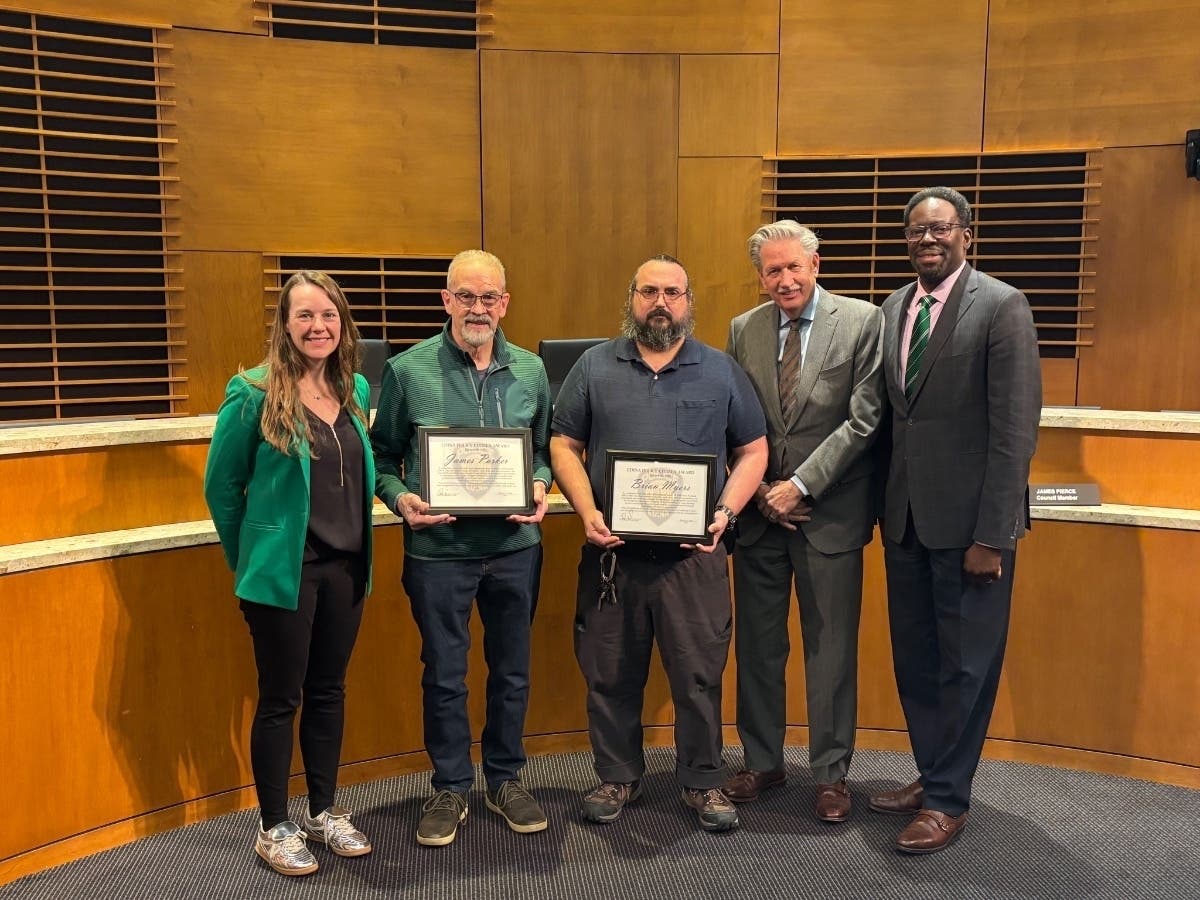
Last month, the Edina City Council demonstrated just how much we value our natural assets—as well as our citizens’ health—when they unanimously voted to become Minnesota’s 13th community to ban coal tar sealants.
Other cities who have banned the common driveway sealer include Inver Grove Heights and White Bear Lake. In 2010, the Minnesota Legislature considered a state-wide ban, but never passed any legislation.
Find out what's happening in Edinafor free with the latest updates from Patch.
Coal tar is a thick liquid that is a byproduct of exposing coal to high temperatures. It is often applied to driveways and parking lots by commercial contractors to protect and beautify the pavement, but it contains chemicals called PAHs that can be harmful to humans and wildlife.
These chemicals are worn off by car tires and weathering and the resulting PAH-containing dust is washed into sewers, eventually reaching ponds, streams and lakes. Some of the dust is carried around by cars, pets and people. We’ve probably all tracked it into our homes on our feet.
Find out what's happening in Edinafor free with the latest updates from Patch.
According to the U.S. Geological Society (USGS), residences adjacent to parking lots with coal-tar-based sealant have PAH concentrations 25 times higher than those adjacent to parking lots without these sealants.
Literature from the USGS states that PAHs are toxic to aquatic life and pose a human health threat as well. The Minnesota Pollution Control Agency makes no claims about human health, but is more focused on the extremely high cost of managing stormwater sediment contaminated with PAHs associated with tar-based sealents.
PAH stands for Polycyclic Aromatic Hydrocarbons. There are several kinds of PAHs, but they all look similar to chemists—like a bunch of rings fused together. Some are more toxic than others, but as pollutants, a number of them have been found to be carcinogenic (cancer-causing), mutatgenic (causing DNA mutations) and teterogenic (able to cause birth-defects).
Interestingly, some PAHs are the possible carcinogens you’ve read about which are formed when you cook meat at extremely high temperatures. Pan-frying or grilling meat are notorious for PAH formation.
Paved surface contractors’ jobs should not be affected much by this ban, since there are safer alternatives than coal tar sealent that protect pavement equally well.
If you see one of your council members walking down the street, be sure to thank them. After careful consideration of all the issues, they just made a decision that will make our city, and our state, a safer place for all its inhabitants.