Politics & Government
Democrat Dan Wilson Flipped Winona House Seat With A Focus On Housing And Childcare
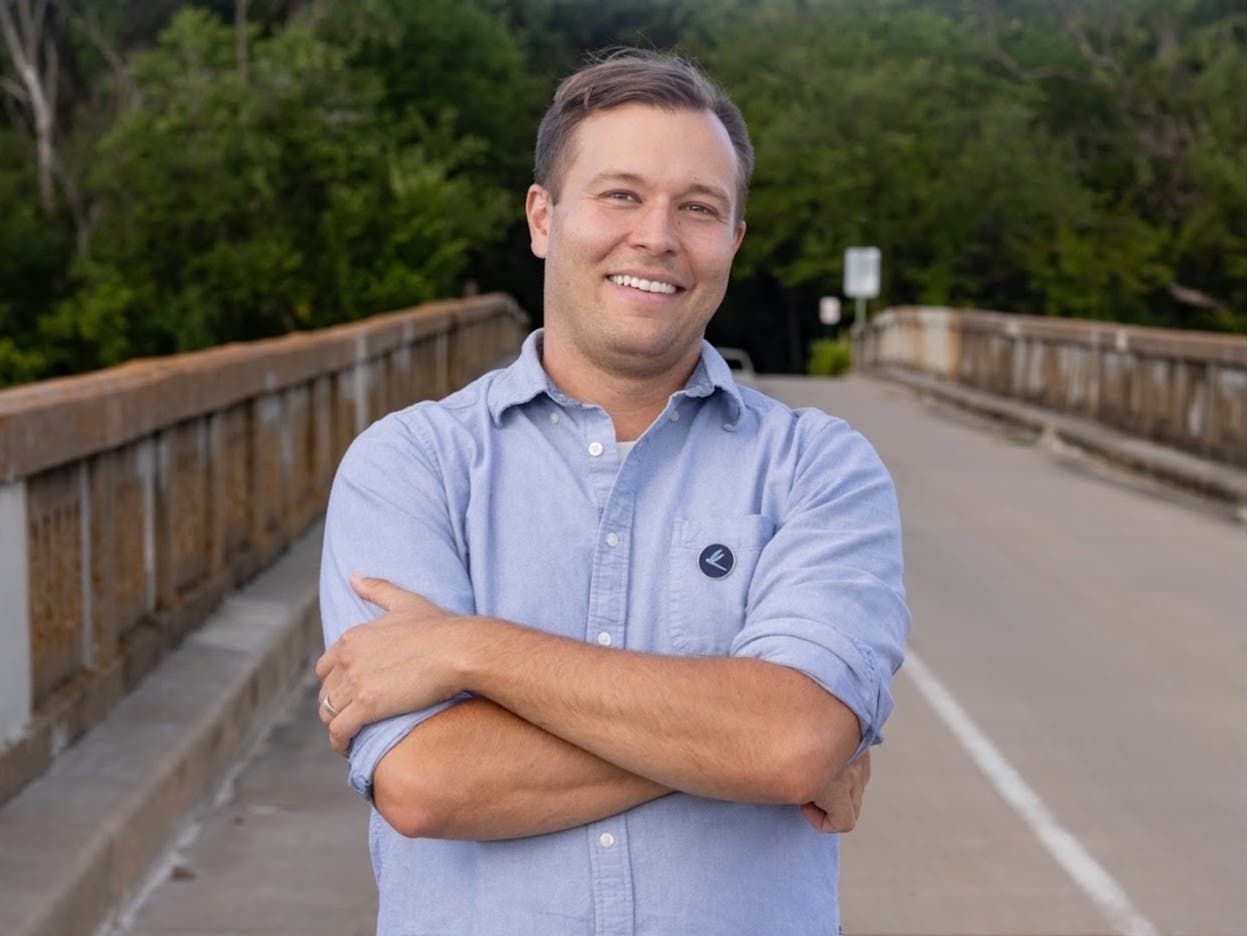
Dan Wilson, a 38-year-old farmer and volunteer firefighter, beat an incumbent Republican by 10 percentage points in a rural House district.

November 23, 2026
Dan Wilson, a 38-year-old farmer and volunteer firefighter, beat an incumbent Republican by 10 percentage points in a mostly rural House district by running on a platform of abundant housing, affordable childcare and a healthy planet.
Find out what's happening in Minneapolisfor free with the latest updates from Patch.
Wilson’s victory marks a reversal of Democrats’ fortune in Greater Minnesota. He ousted Republican Rep. Aaron Repinski, who won an open race for House District 26A covering much of Winona County two years ago following the retirement of one of the few rural Democrats left in the Legislature.
Wilson moved to the Winona area about 20 years ago for college at Winona State University. After graduation, he worked at a homeless shelter called Bethany House. He also lived there alongside the guests he served, in keeping with the shelter’s Catholic Worker tradition. He planned to be there just a year while applying to medical school but instead stayed six.
Find out what's happening in Minneapolisfor free with the latest updates from Patch.
It was a transformative period of his life that he said set him on a path of trying to tackle big systemic issues. He also wanted to do something about climate change, so he started farming rotationally grazed cattle, which sequesters carbon; he’s been at it with his wife and two kids for 10 years.
He made the dragonfly the emblem of his campaign. It appeared darting across yard signs, his website and a pin on his shirt.
Why?
Dragonflies are a signal of a healthy environment, and they are one of the most effective killers in the animal world.
“It was a great encapsulation of our campaign’s ethos,” Wilson said. “We are good, we are positive … and we need to be incredibly effective.”
This interview is the first in a series on rookie state legislators. It has been edited for length and clarity.
Why did you run for office?
I was a stay-at-home dad for the first year and a half of my daughter’s life and — this was in ’22 — listening to the radio and just hearing how Democrats were squandering this opportunity to do really significant change on climate change and preserving our democracy. This was when Biden had a trifecta at the federal level and just hearing the ways in which nothing was moving. So I ran for state sSenate in 2022 and lost.
Then I kind of put my nose to the grindstone and figured out other ways that I could show up, which meant working at a small nonprofit training folks that had previously been homeless on how to advocate for better housing policy. That’s what really got me very passionate about housing policy in Greater Minnesota. Then 2026 came around, and I saw an absence of leadership in our area around housing, so I wanted to run a campaign focused on how to create more housing in Winona County.
Why try and do that at the state level rather than, say, City Council, which has direct control over the zoning?
At the end of the day, a lot of it does come down to budgets and funding, right? And I do think that some zoning reforms at a state level are appropriate and needed because Winona County is not unique.
There really is a very metro-focused conversation that happens around housing that a lot of times forgets Greater Minnesota. It is harder to find a place to rent in the city of Winona than it is in Manhattan, New York. People want to live in small city centers like Winona, and the reason why our communities are shrinking and not growing is because of housing.
I’m also incredibly passionate about climate change and ag policy and healthcare and childcare.
Why do you think you won?
Well, I knocked a lot of doors. That’s always a part of it.
We had a 16 point swing from 2024. When you have a 16 point swing, it’s about more than just a candidate. That kind of enthusiasm, the kind of energy that we saw was not because people are just very excited for me in particular. It is because we were talking about issues people were feeling directly.
I had so many conversations with such a wide variety of people, being like, “I can’t afford to move out of this apartment” or “I can’t afford to own a home” or “I have a son who’s still living with me.” Everyone has a housing story.
I ran on very specific promises of wanting to use a bonding bill to build affordable housing in Winona. So I think it was this kind of politics that we’ve seen across the country with candidates painting a vision of the specific ways in which state government can make your life better and not just talk in vague platitudes of, like, we’re against Trump. I didn’t really talk about Trump at all.
Can you get into the nuts and bolts of specific legislation that you’d like to work on when you get to the capital?
I’ve been a part of the Yes to Homes Coalition. The starter home package that didn’t pass last year — that’s a series of bills I really want to work on. The manufactured home bill of rights. We have three mobile home parks in 26A that have been bought out by private equity within the past couple years. I had a lot of conversations in those communities … heartbreaking conversations about how private equity is ruining people’s lives. Building 100 units of deeply affordable senior housing as a bonding project.
Childcare — working with state leaders and school leaders of how do we create a childcare center in our public school system to start alleviating this deficit of 500 slots of childcare.
And then for soil health and climate change stuff, I think we can do amazing things with just making all of these programs easier to access. In my experience of applying for soil health grants, it took me three years before I finally was able to receive one. This process is often very complicated and slow and requires a farmer to be in an office talking with an agent when often it’s really hard to get off the farm. The Olmsted County water nitrate program, where they have a lot of the application process starting online, is a great way to find efficiencies in the system and not have the government be a barrier.
This could be a tough budget session ahead, and I want to ask what is an area where the state government could spend less.
Tax cuts have the same impact on a budget that spending does, and so when we think about data centers and the fact that the state gives millions of dollars in tax cuts to the richest companies in history … I think that is something the state should look at.
What issues do you think you might disagree with the rest of your party on?
There’s a move to try to push a year-round session, which I don’t think is a good idea. The legislative session was made for farmers — farmers being able to farm during the summer and come back and legislate during the winters. I really love this idea of citizen legislatures.
The Minnesota Reformer is an independent, nonprofit news organization dedicated to keeping Minnesotans informed and unearthing stories other outlets can’t or won’t tell..