Politics & Government
Minnesota Investigating At Least 200 Providers For Potential Fraud In 14 Medicaid Services
The exodus of Minnesota federal prosecutors from DOJ leaving some fraud cases in an 'uncertain state.'

March 2, 2026
The Minnesota Attorney General’s Office is investigating at least 200 health care and social service providers for potential fraud across 14 Medicaid services.
Find out what's happening in Minneapolisfor free with the latest updates from Patch.
Nick Wanka, the director of the office’s Medicaid Fraud Control Unit, which is responsible for investigating cases of Medicaid fraud, gave the figure during a press briefing Wednesday. Wanka said that some of the 200 cases involve one person operating multiple separate agencies, sometimes providing different types of services, so the number of provider agencies may be higher than 200.
The number gives new insight into the scale of the state’s investigations into fraud in Medicaid services, though Wanka declined to specify a dollar amount. There are 5,800 total providers in the 14 Medicaid programs deemed high-risk for fraud by state and federal authorities.
Find out what's happening in Minneapolisfor free with the latest updates from Patch.
Wanka also declined to address whether any of the individuals or agencies being investigated have ties to Feeding Our Future, a sprawling pandemic relief fraud scheme which kicked off a yearslong political scandal in Minnesota under the Walz administration.
Providers in the 14 high-risk Medicaid services are supposed to help Minnesota’s most vulnerable, and include services geared toward disabled people, autistic youth and the elderly. Federal investigations have found that some billed for services they didn’t provide. For example, an autism service provider charged by federal prosecutors is alleged to have submitted fraudulent signatures from medical providers to get claims approved, and paid kickbacks to families for enrolling their children while delivering a fraction of the services billed.
Wanka explained that both state and federal attorneys can prosecute cases of Medicaid fraud, though the Minnesota Attorney General’s Office wouldn’t bring charges in cases that federal prosecutors are already pursuing. The Minnesota District of the U.S. Department of Justice has charged 14 people for allegedly defrauding a housing support program, already shut down for its vulnerability to fraud, and an autism treatment program for young people; both programs are in the high-risk category of Medicaid services.
The Minnesota Attorney General’s Office has charged hundreds in the high-risk services, an office spokesperson said, including one person in January. The Medicaid fraud unit’s largest investigation came out of Faribault, where prosecutors say that interpreters and drivers recruited hundreds of residents from the city about 60 miles south of the metro to forego local care and instead travel to specialty clinics in the Twin Cities as part of a multi-million dollar fraud.
Several career federal prosecutors who have led fraud investigations resigned in January, partly in disgust over the feds’ handling of the investigation of Renee Good, leaving the office in turmoil, the New York Times reported. The exodus seems to have set back fraud investigations in Minnesota: Wanka said that some fraud cases that he previously believed would be charged by the U.S. Attorney’s Office “are a little bit more of an uncertain state now.”
Wanka said that the attorney general can take on those cases in the absence of federal charges, “but there’s only so many people who have so much time.”
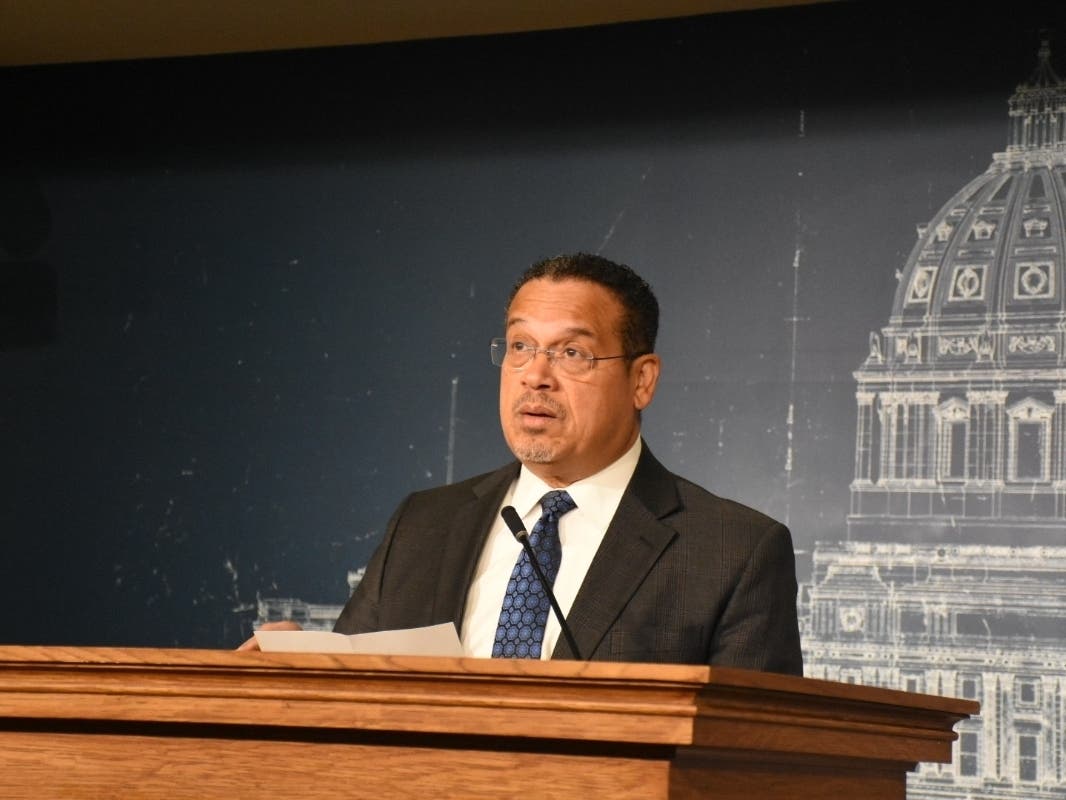
The focus of the Wednesday briefing was introducing an updated version of a bipartisan bill first announced in 2025, which would increase the staff of the Medicaid fraud unit from 32 to 50 people, among other measures that Attorney General Keith Ellison said would help the Medicaid unit more effectively investigate and prosecute fraud. The bill has authors from both parties in both chambers and passed the House in 2025. Wanka said that the need for more investigators partly stems from the growing number and complexity of Medicaid fraud cases, such as the ones involving multiple provider agencies.
Minnesota’s Medicaid services have received substantial scrutiny from state and federal agencies. The Minnesota Department of Human Services has introduced multiple efforts to address fraud in the high-risk services, including implementing a review process for claims before they’re paid, revalidating all providers offering the services and withholding payments from providers suspected of fraud. And in early January, the Trump administration said that it intends to withhold $2 billion from high-risk Minnesota Medicaid programs, a decision the state has since appealed.
Former Assistant U.S. Attorney Joe Thompson, one of the federal prosecutors who resigned in January, said in December that he suspects at least $9 billion paid to the 14 Medicaid services since 2018 have been fraudulent. A Department of Human Services deputy commissioner said at the time that the agency has evidence of tens of millions stolen from these programs to date, not $9 billion; Gov. Tim Walz called the $9 billion estimate “sensationalized.”
The Minnesota Reformer is an independent, nonprofit news organization dedicated to keeping Minnesotans informed and unearthing stories other outlets can’t or won’t tell..