Health & Fitness
Minnesota's Opioid Crisis and Steps to Crush Addiction
David Marion explains the crisis impacting Minneapolis and the steps we can take to crush this horrible addiction.
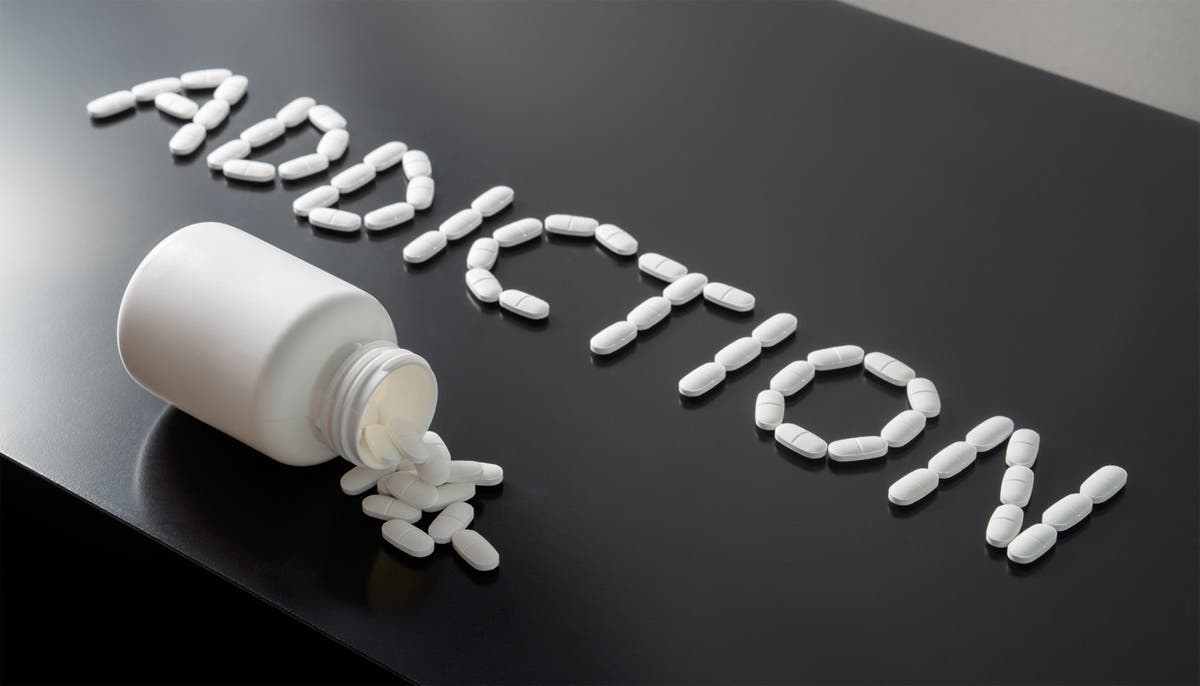
3.5 million.
This is the number of prescriptions that were prescribed in 2016 by Minnesota health care providers.
The number of overdoses has skyrocketed by 1000 percent since the year 2000.
Find out what's happening in Minneapolisfor free with the latest updates from Patch.
Opioids are responsible for 115 deaths each day across the country.
There is no question that the situation with opioids not only in Minnesota but in the United States is out of control.
Find out what's happening in Minneapolisfor free with the latest updates from Patch.
But what can you? You are only one person, right?
Fighting at the local level to overcome this epidemic is our best chance of winning this battle.
What options are available to overcome addiction?
Below are some techniques you can use to overcome opioid addiction. Note, that these are just techniques. If you encounter someone with an addiction problem, it's important that a professional analyze their case and develop the right approach to overcome the patient's addiction.
1. The Taper Technique.
Overcoming addiction will not happen overnight. It will take time.
The taper technique is where you slowly diminish the dosage taken each day.
This approach can incredibly decrease the withdrawal impacts since the body just needs to conform to small decreases rather than a complete cutoff from the opioid.
Withdrawal symptoms include resting problems, influenza-like reactions, fever, hurting, perspiring, and melancholy.
2. Changing the Daily Routine.
Opioids will consumer your life. Everything you do will revolve around getting the next fix.
Changing your daily routine to promote a positive and healthy lifestyle is vital to overcoming addiction.
Find healthy hobbies that keep your mind and body occupied. Like exercising, even if it's just walking.
3. Use of Buprenorphine
What is Buprenorphine? This opioid can be the first line of treatment for opioid addiction.
Buprenorphine is an opioid medication used to treat opioid addiction in the privacy of a physician’s office. It provides similar sensations of other opioids without representing a high hazard for dependence. Hence, its recommended by National Institute Drugs Abuse.
4. Psychotherapy
Conquering opioid addiction involves treating the mental part of the addictionalongside the physical segment. Working with a professional treatment specialist, addiction can work through the issues that drive the need to utilize opioids.
Accepting you need help is the first step to recovery. But not the easiest step to take.
It is recommended to collaborate with a treatment specialist to create a plan that will offer the highest level of success.
5. Going to Support Groups
Care or support groups can give a priceless network of help. A support group can provide direction and accountability while conquering opioid addiction. Listening to the stories of others and getting feedback on your own is a vital component to staying on the right track to recovery.
What can you do?
If there was one thing you could do to make a difference, it would be to educate yourself.
The more knowledge you have, the more prepared you are to take on the enormous challenge of helping someone overcome addiction.
You can obtain valuable knowledge from books or websites, but talking to specialists and others in recovery is where you will find priceless information.
Gather knowledge about opioid addiction and recovery. Share your knowledge. Make a difference.