Politics & Government
Native Activists Set Up Prayer Camp Outside Minneapolis ICE Detention Center
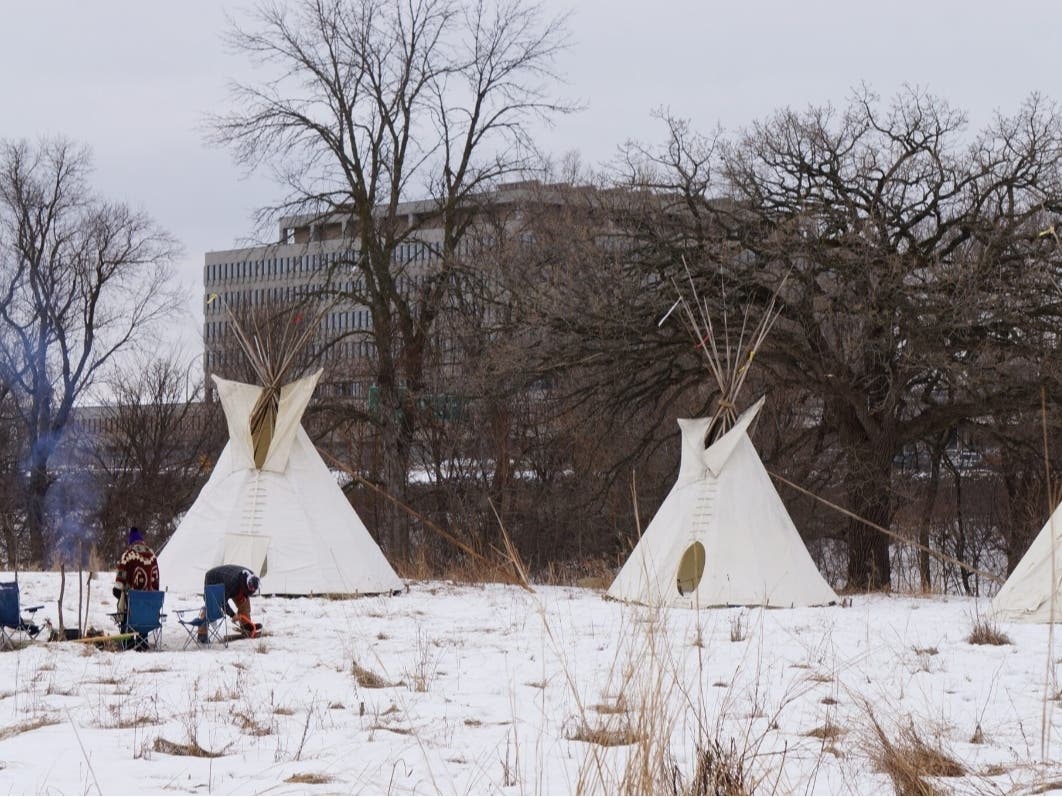
The Bishop Henry Whipple Federal Building looms in the background of the camp at Coldwater Spring, or Mni Owe Sni, at Fort Snelling.

February 12, 2026
Late in the afternoon on Monday, Native activists put up tipis and set a small fire at a sacred site along the Mississippi River to pray for the people held in a federal detention center a mile-and-a-half away.
Find out what's happening in Minneapolisfor free with the latest updates from Patch.
The Bishop Henry Whipple Federal Building looms in the background of the camp at Coldwater Spring, or Mni Owe Sni, at Fort Snelling along the Mississippi River.
Several descendants of Dakota tribes and Crow Creek Sioux tribal members erected four tipis at the site late Monday afternoon, along with Native people from the Niskíthe Prayer Camp, who traveled from Nebraska to help.
Find out what's happening in Minneapolisfor free with the latest updates from Patch.
The five people at the camp Tuesday morning said they will be there for at least four days to pray and to raise awareness that the federal government is again committing brutality at the site.
Both the spring — a sacred site for Dakota and other tribes — and the Whipple building are on Fort Snelling, where the U.S. government in the mid-1800s killed hundreds of Dakota people and imprisoned more than 1,600 in a concentration camp.
“It’s just repeating history. The government stealing families, stealing kids,” said Brian LaBatte, who is descended from the Shakopee Mdewakanton and one of seven people who stayed the night at the camp. “I mean, they’ve done it to us already.”
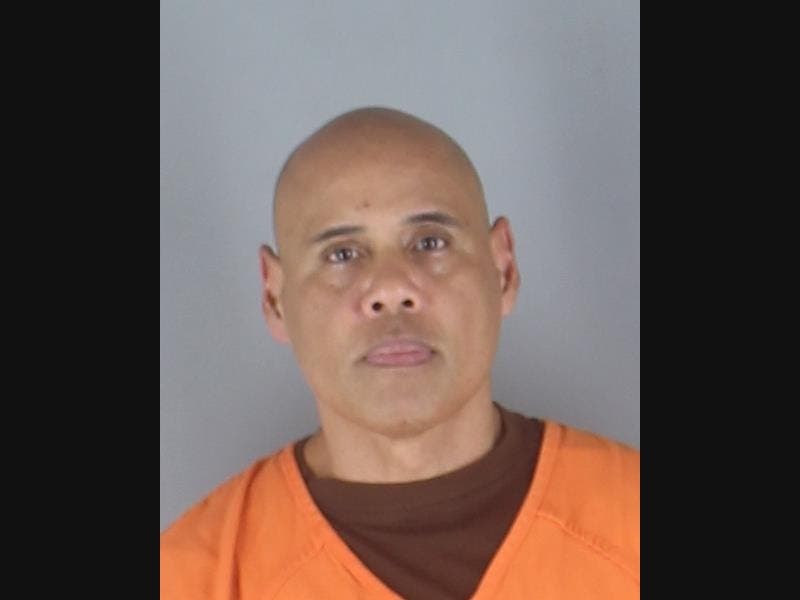
Brian LaBatte, a Native activist, is among those who helped set up the prayer camp at Coldwater Spring. LaBatte, pictured here on Tuesday, Feb. 10, 2026, has participated in protests against the Dakota Access Pipeline at Standing Rock in North Dakota. (Photo by Alex Baumhardt/Minnesota Reformer)
Dakota and members of other tribes have criticized the site’s ongoing use as a detention center for Immigration and Customs Enforcement, which headquartered its Operation Metro Surge at the Whipple building, and where hundreds of people have been detained over the last several months.
Officials from the National Parks Service, which manages the area in partnership with 18 tribes, did not respond to the Reformer’s emailed questions by the end of Tuesday. Though Hennepin County Police visited the site Monday night, they did not ask anyone to leave or issue any citations, campers said.

Brian LaBatte, a Native activist, is among those who helped set up the prayer camp at Coldwater Spring. LaBatte, pictured here on Tuesday, Feb. 10, 2026, has participated in protests against the Dakota Access Pipeline at Standing Rock in North Dakota. (Photo by Alex Baumhardt/Minnesota Reformer)
The idea to set up the prayer camp fomented at recent indigenous-led protests outside the Whipple building and at a Fort Snelling park, said Erica Crazy Hawk, a member of the Crow Creek Sioux Tribe in South Dakota who lives in Anoka.
“We’re lighting this prayer fire, praying for the relatives here and the children that are getting detained and taken out, because it brought a lot of historical trauma back. Our blood memory remembers that whenever it hears the cries and the prayers of what’s been going on here,” she said.
Wasuduta, a Dakota activist who came to help make the camp on Monday from Fond du Lac, Wisconsin, said they are exercising their treaty rights as members of the Oceti Ŝakowiŋ, or the Seven Council Fires, a historic alliance of tribes from the region. He said they are also exercising their rights under the American Indian Religious Freedom Act of 1978.
LaBatte said being part of the camp is a continuation of his advocacy for Native sovereignty and justice. He joined the protests at Standing Rock in North Dakota over the Dakota Access Pipeline,* and against police brutality following the police killing of George Floyd in Minneapolis.
“They tried to tear us apart. It’s like what they’re doing to these families,” he said. “My family’s been going through this all of our lives, and that’s why I’m trying to show awareness.”
The Minnesota Reformer is an independent, nonprofit news organization dedicated to keeping Minnesotans informed and unearthing stories other outlets can’t or won’t tell.