Politics & Government
Study: Smoke-Free Public Housing Cuts Exposure by Nearly Half
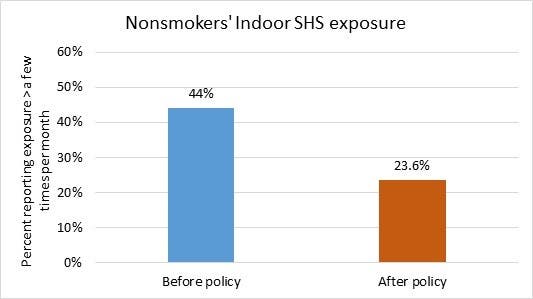
The Minnesota Department of Health found a 46 percent drop in secondhand smoke exposure when smoke-free policies were implemented.


In Minnesota, smoking causes more than $2.5 billion in medical costs annually.
Smoke-free policies have the potential to provide healthier environments at multifamily, public housing while also motivating residents to quit or smoke less, according to a new study by the Minnesota Department of Health’s Office of Statewide Health Improvement Initiatives
Find out what's happening in Richfieldfor free with the latest updates from Patch.
After the smoke-free policies were implemented, the study found a 46 percent drop in frequent indoor secondhand smoke exposure among non-smokers.
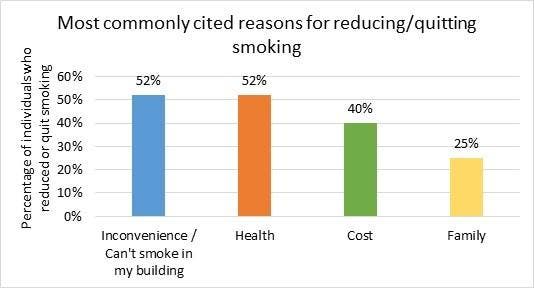
In addition, 77 percent of smokers reported reducing the amount they smoke and 5 percent reported that they had quit. Smokers noted the policy change was as much of a factor in their reduced smoking as wanting to improve their health.
Find out what's happening in Richfieldfor free with the latest updates from Patch.
"These results show that implementing smoke-free policies at public housing properties can produce positive results and healthier environments," said Minnesota Commissioner of Health Dr. Ed Ehlinger.
"These policies protect residents, who are more likely to experience tobacco-related health inequities and be exposed to dangerous secondhand smoke in their homes."
The work by SHIP grantees and other partners puts the state in a strong position to prepare for proposed changes by the U.S. Department of Housing and Urban Development (HUD) that would prohibit the use of cigarettes, cigars or pipes in all public housing living units, indoor common areas, administrative offices and possibly outdoor areas within 25 feet of housing and administrative office buildings.
The final rule is expected this fall.
HUD estimates that annual cost savings nationally from eliminating smoking in public housing would be $153 million; the bulk of the savings would come from reduced health care costs related to secondhand smoke.
Get more information about the study at Statewide Health Improvement Program Evaluation Studies.
Images via Minnesota Department of Health
Get more local news delivered straight to your inbox. Sign up for free Patch newsletters and alerts.