Health & Fitness
Roseville Blog of the Week: Living sustainably in Roseville
What does it mean to live sustainably in Roseville? Ecologist and Roseville resident Chip Small realizes that his "ecological footprint" is far more extensive than it appears at first glance.
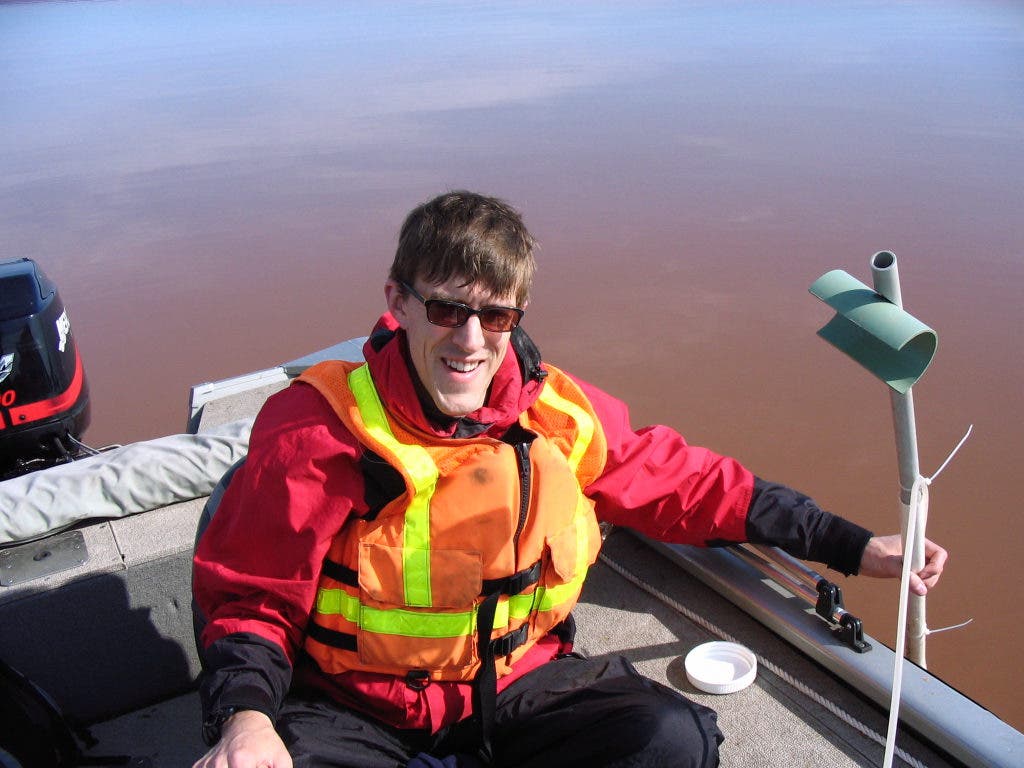
Editor's Note: This past week, Chip Small debuted with this blog post for Roseville Patch's Local Voices.
Sustainability has been on my mind a lot lately. I will be starting a faculty position at the University of St. Thomas in the fall, where a major part of my job is helping to develop a new course on “The Biology of Sustainability.”
I’ve worked as a science educator and research ecologist for more than a decade now, so I can certainly talk about concepts related to sustainability. But the truth is, I’m not sure that I know exactly what it means to be “green.”
Find out what's happening in Rosevillefor free with the latest updates from Patch.
My family has lived in Roseville for the last two years, while I’ve worked as a post-doctoral researcher at the University of Minnesota.
Many aspects of our life here in Roseville seem straight out of The Whole Earth Catalogue. We love being able to walk to the grocery store, local restaurants, the public library, and parks. I ride my bike to work nearly every day—it’s usually more convenient than driving.
Find out what's happening in Rosevillefor free with the latest updates from Patch.
We live in a small house that is relatively energy efficient. We buy produce from the farmers' market throughout the summer, and our kids snack on vegetables from our backyard garden.
We recycle or compost much of our household waste. Our lawn is pesticide-free, evidenced by the knee-high dandelions.
And yet, despite all of this, I harbor no illusions that my family’s lifestyle is even close to sustainable. My carbon footprint is probably higher than that of a small country, thanks to frequent air travel (including trips to Costa Rica and Japan this year) and research cruises on Lake Superior.
We are active participants in the global economy, with a basement full of toys made in China and Indonesia, and it’s not unusual to find our refrigerator stocked with off-season produce grown in Chile.
Throughout the winter, I look forward to monthly shipments of grapefruit, which is really an environmental double-whammy, as the carbon cost of transporting fresh fruit across the country compounded by the environmental degradation caused by the citrus industry expanding into the wetlands of south Florida.
One curse of being an ecologist is that one cannot even enjoy a meal without recognizing its environmental costs. As I ate a spring roll with my dinner last night, I tried not to think about the four pounds of fish and other sea creatures inadvertently killed for every pound of shrimp caught. Or, the amount of concentrated nitrogen and phosphorus wastes that must be produced by the animals at the factory farms that ultimately yielded the breakfast of eggs and sausage that I cooked this morning. The harder I look, the more troubling this all seems.
I’ve also realized that I know embarrassingly little about my “ecological address” here in Roseville. Where does our drinking water come from? Where does stormwater runoff from my yard end up? Where does my trash go after the garbage truck makes the rounds in my neighborhood each Friday? Where does our waste go when we flush the toilet? Where does the electricity come from that powers my laptop?
In this occasional blog, I’m planning to explore these topics as I learn more about them, with the goal of connecting the complexities of environmental sustainability with our lives here in Roseville. I look forward to questions and comments by readers.