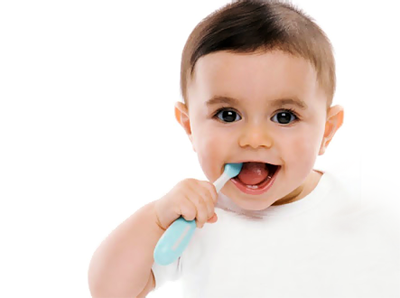
Teething
Babies develop teeth while they are still in the womb. Newborns have a full set of 20 baby teeth hidden in their gums. Teething usually occurs between the ages of 6 months and 3 years and some babies/infants may feel discomfort as new teeth emerge. Children usually have their full set of 20 primary teeth (milk teeth, baby teeth or deciduous teeth) by the age of 3 years.
Possible signs of teething include:
Find out what's happening in Rosevillefor free with the latest updates from Patch.
By subscribing, you agree to Patch's Privacy Policy and Terms of Use.
- restlessness during the day and sleeplessness at night
- increased dribbling
- red and swollen gums which feel hard and pointed when pressed
- rubbing gums together in a grinding motion
- being fussy or choosy with food
- placing objects or fingers in mouth.
- For temporary relief, give your child something to bite on such as a teething ring. These could be stored in the fridge to keep them cool.
Please remember - Seek medical or oral health advice if symptoms continue. Signs of illness should not be automatically assumed to be the result of teething. See your health professional if your baby or toddler has a temperature or diarrhea.
Cleaning your baby's teeth
Find out what's happening in Rosevillefor free with the latest updates from Patch.
By subscribing, you agree to Patch's Privacy Policy and Terms of Use.
- Start as soon as the first tooth appears. Wipe the front and back of each tooth twice a day (or after each feed), using a finger wrapped in a clean damp face washer or gauze.
- Introduce a soft children’s toothbrush at 12 months (earlier if tolerated by the infant).
- Only use water to brush your infant's teeth in the morning and before bed, until 18 months of age.
- Use a smear of fluoride toothpaste from 18 months to 6 years of age.
- Encourage your child to spit out the toothpaste after brushing, do not rinse.