Schools
Roseville Students attend International Competition
Forty-seven students competing in Future Problem Solving Program International competition in LaCrosse.
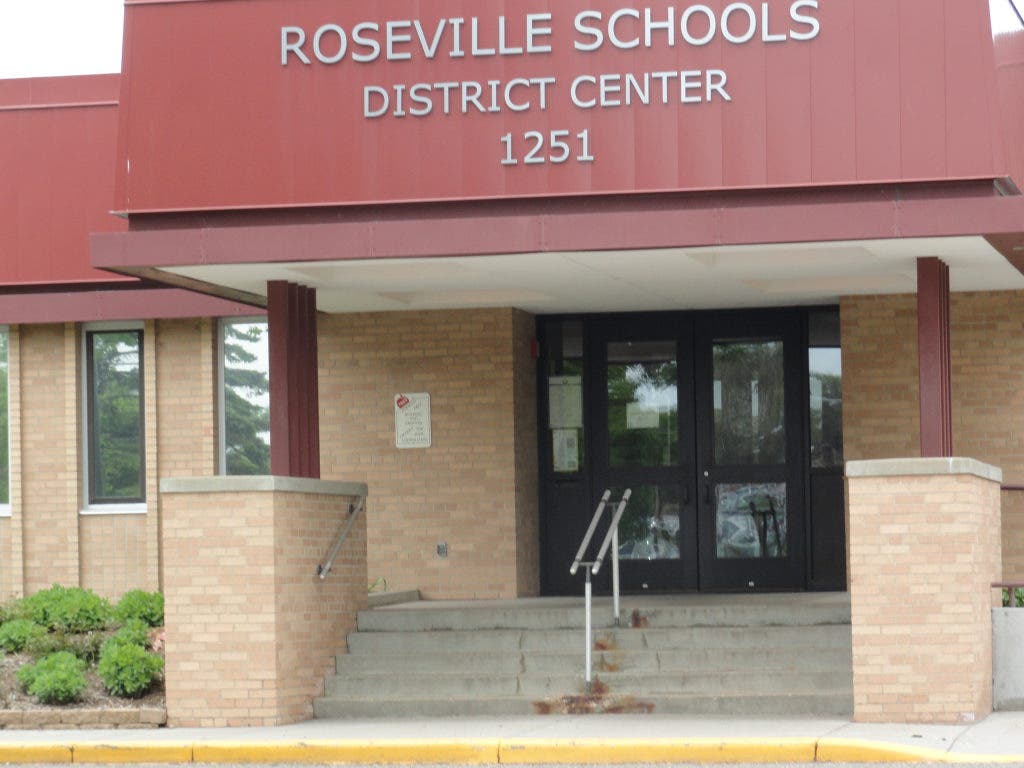
Forty-seven students from Roseville Area Schools headed to the University of Wisconsin at LaCrosse for the Future Problem Solving Program International Conference (FPSPI) this weekend.
These students were chosen after winning the state competition on April 2. The international competition ends on Sunday.
While in LaCrosse, the students have been staying in the University dorms and have had the opportunity to work with people from around the world. The International Competition brings in students from 30 states and 12 countries.
Find out what's happening in Rosevillefor free with the latest updates from Patch.
“This has been an amazing experience for them to get out and get to know people from all over the world,” said Abe Hanson. Hanson, a fifth grade teacher at Falcon Heights Elementary and FPSPI coach, has been a part of the competition for seven years and is in his second year at the International Competition.
The problem solving program encourages students to develop a view for the future and prepares students for leadership roles, Hanson said.
Find out what's happening in Rosevillefor free with the latest updates from Patch.
According to its website, FPSPI gives young people the ability to design and promote positive futures using critical and creative thinking. It is divided into junior, middle and senior divisions.
The students were given various topics throughout the year to consider for problem solving including water quality, air transport and genetic testing. The topic for the International Competition was emergency planning.
The students are given two hours to follow the six-step problem solving process. This process includes finding the problems and challenges within a short story they are given. The second step is to identify an underlying problem, followed by producing 16 solutions to that problem.
After the students have identified the problem and their solutions, they generate five different criteria for the problem, then apply them and determine the best solution overall. Lastly, they create an action plan to implement the solutions they have made for their problems.
“It’s a very complex process and it’s amazing what these young kids can come up with,” Hanson said.
The students are scored on every step throughout the problem solving process based on a detailed point system that includes creativity, imagination, and relevancy, Hanson said.
According to Hanson, the students who participate in FPSPI possess creative thinking, diligence and the ability to go beyond linear thinking.
“Not only do they already have great skills, but they are also learning more that they can take with them their whole lives,” Hanson said.