Business & Tech
Do Downtown Businesses Kick The Disabled To The Curb?
Older buildings aren't required to meet guidelines under the Americans With Disabilities Act.
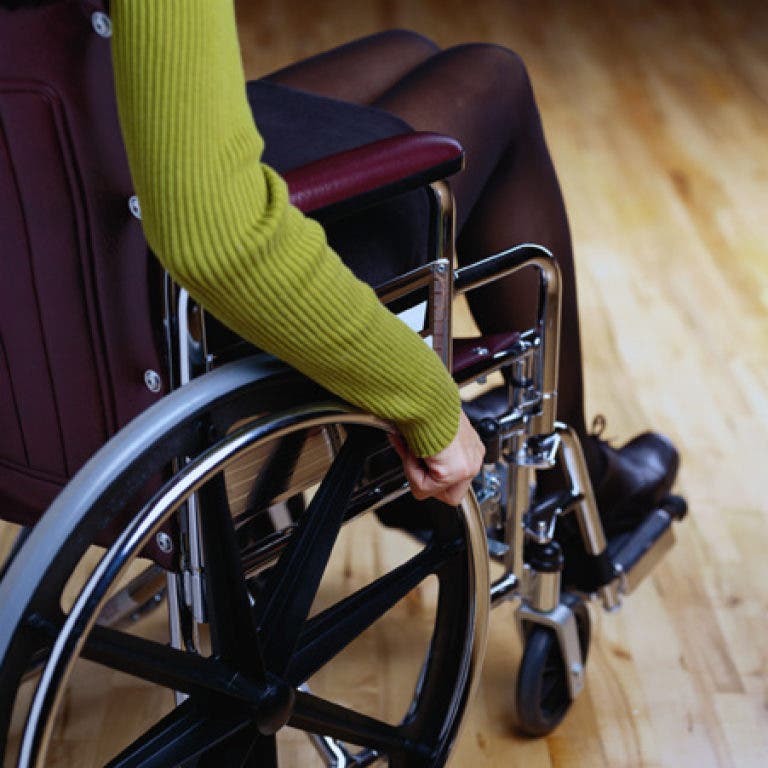


One night last month, crowds of local women descended upon downtown Shakopee for an evening of shopping, fashion and food. Though most of the women attending Ladies Night Out enjoyed Shakopee’s various shops, one participant had a very different experience.
Sheri Melander-Smith could only visit two shops that night—not out of will, but because she simply couldn't get into the stores. That’s because Melander-Smith, who is in an electric wheelchair, couldn’t navigate the steps that most of the historic stores have at their entrances.
While the main event for Ladies Night Out was at the handicapped-accessible , the evening left Melander-Smith wondering why more places in Shakopee weren’t so handicapped friendly.
“I don’t really spend a lot of time in Shakopee,” the Chanhassen resident said. “It’s not a welcoming town for someone who’s in a wheelchair.”
Though all federal and state buildings are required by the Americans With Disabilities Act to be handicapped accessible, Jim Gramtre, a Shakopee city building official, said private businesses and historic buildings are a whole different beast.
“The old buildings, they are what they are. Unless they go through some sort of transformation, and then they may be obligated to the existing accessibility rules,” he said.
Gramtre said he’s seen some businesses with back store access, and sometimes owners use makeshift, portable ramps for physically handicapped patrons that come to their stores. Other times, he said, store owners literally carry the wheelchair into their businesses.
“(Owners) are not obligated to do that in these older buildings, but I have seen that practice," Gramtre said, adding he doesn't see a mandate requiring more legal ramps coming anytime soon.
“If (stores) had ramps in the front, there would be all these obstructions,” he said.
That means shoppers like Melander-Smith are on their own for getting through downtown Shakopee, unless store owners are willing to put in their own ramps.
Melander-Smith assumes the problem exists for one reason: No one has complained yet. Otherwise, she said, store owners would be more aware of patrons like her.
Dave Jansen at in downtown Shakopee agreed. He’s only had one person complain about accessibility since owning the store.
“It’s a 115-year-old building and we’re not required to," Jansen said. "Sometimes they carry their own ramp for situations like that and it usually isn’t a problem."
As for Melander-Smith, a former international model and now motivational speaker, she said that just because the city has old buildings doesn’t mean they shouldn’t be accessible to people with disabilities. She said other Shakopee citizens requiring such accommodations likely aren't visiting downtown because they know they can’t access the stores.
“Each city has it’s own population of disabled people. There’s just not that many places to go to," she said. "Shakopee is horrible. It’s probably one of the worst cities I’ve been in.”