Crime & Safety
DNR Urges Caution with Fire – Burning Permits Required
Burning permits are needed for debris and vegetation burning. Campfires are allowed without burning permits.


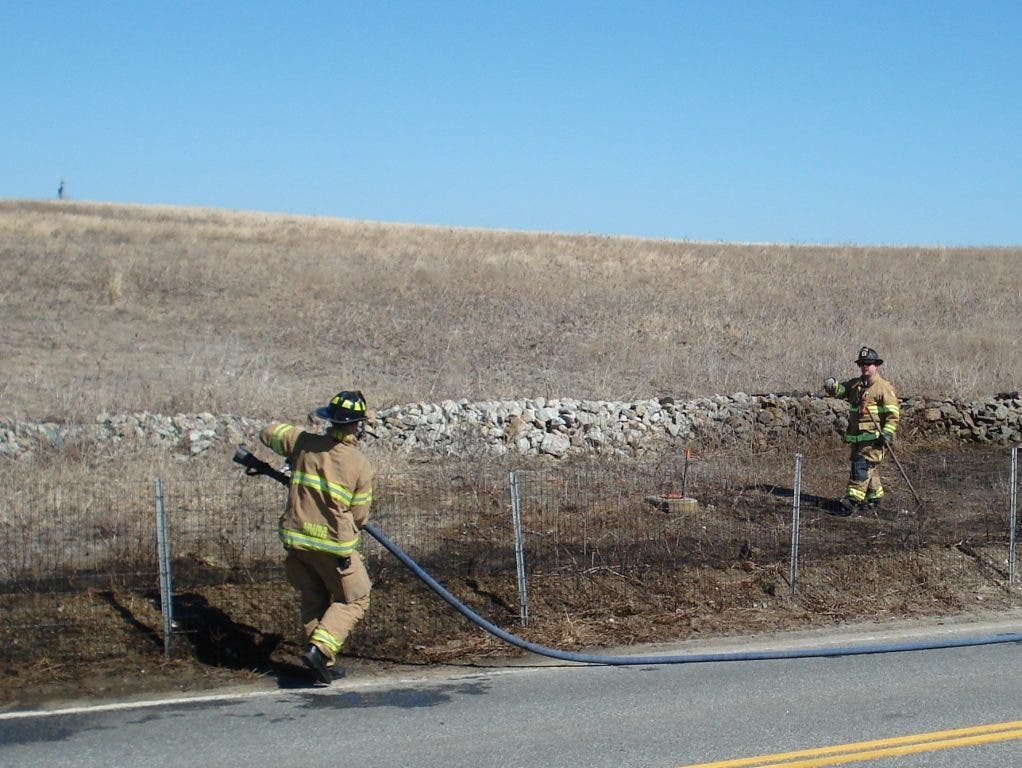
Winter is usually a time of low fire danger in Minnesota, but this winter is different, with snow drought in most of the state, according to the Minnesota Department of Natural Resources. Fuels such as grasses and brush, which are usually covered with snow, are freeze-dried and available to burn. Because of these conditions, the DNR is asking people to be careful with fire, to check previous fires for possible rekindling, and make sure to get a burning permit before burning vegetation.
On Monday, Dec. 26, 750 acres burned near the northwestern Minnesota city of Gully, in Polk County. The fire burned rapidly through wooded areas due to dry fuels and high winds. That fire is now contained, and firefighters are mopping up heavy fuels today.
Burning permits are required whenever there is less than three inches of continuous snow surrounding a planned burn area. Right now, with the exception of Cook County in northeastern Minnesota, burning permits are needed for debris and vegetation burning. Permitted burning hours vary by geographical area. Campfires are allowed without burning permits.
Find out what's happening in Shakopeefor free with the latest updates from Patch.
Burning restrictions will change as weather conditions and snow cover change. For information about burning permits, check the DNR website at www.mndnr.gov and search for burning permits.
Find out what's happening in Shakopeefor free with the latest updates from Patch.
Get more local news delivered straight to your inbox. Sign up for free Patch newsletters and alerts.