Schools
Hundreds of New Students Projected To Flood SW Schools
Population growth projections, based on 2010 Census data, were presented to the school board last night.


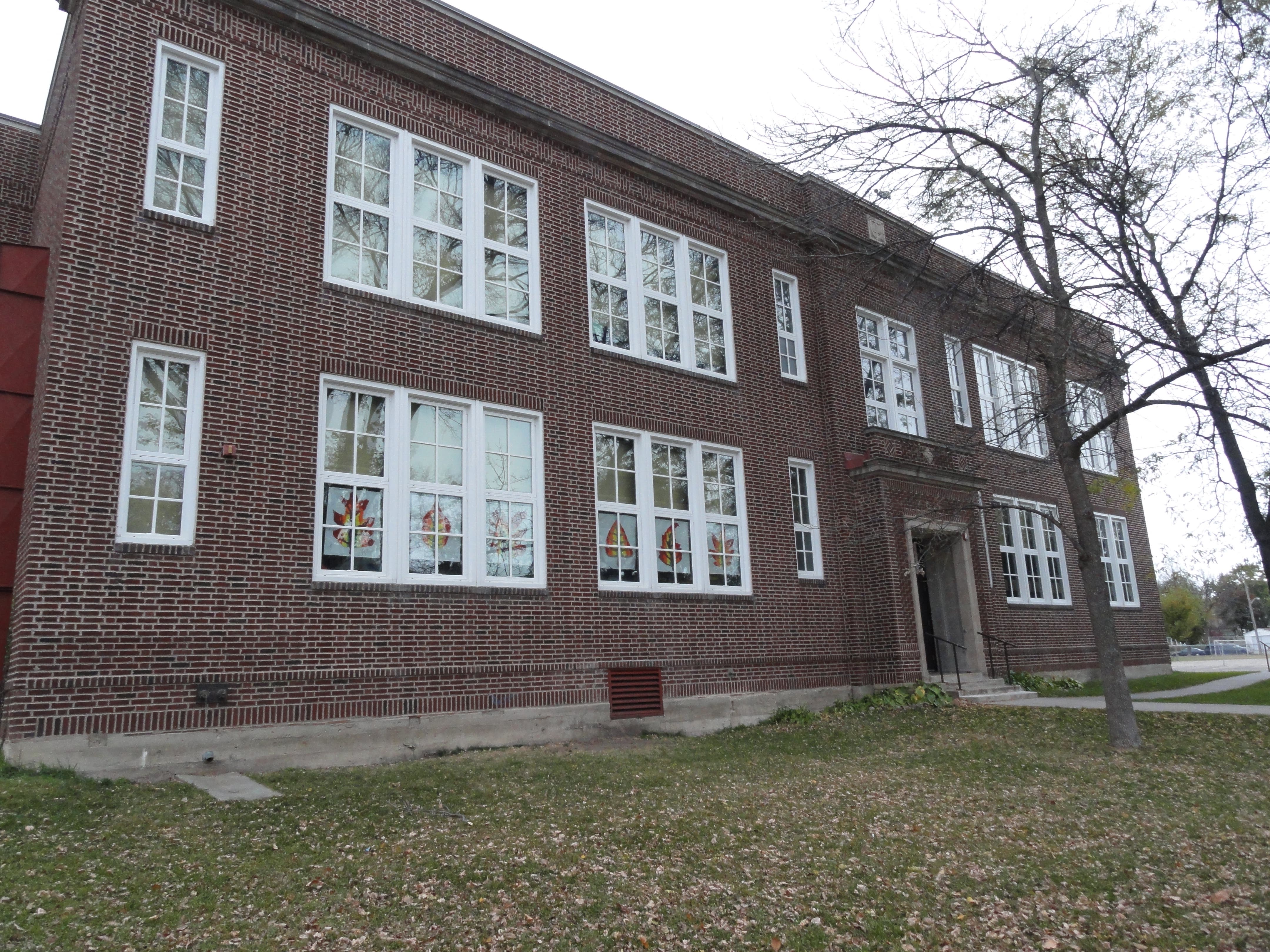


What do you do with 550 to 900 new elementary students and 650 to 1,000 new middle-schoolers, in a corner of the district that's rapidly running out of room?
"That’s such a huge number, I can’t even wrap my mind around it," said at-large School Board member Rebecca Gagnon when she saw the district’s 2015 enrollment projections at a board meeting Tuesday.
Translated into numbers of schools, those figures mean Minneapolis Public Schools (MPS) will need to build or find the equivalent of one to two K-5 elementary schools’ worth of classrooms, and one to one-and-a-half new middle schools. However, the district may not have enough money to both add on to Southwest's crowded Lake Harriet and Anthony schools and still make necessary expansions at other crowded schools. To solve this thorny problem, the district is soliciting input and ideas from the community.
Find out what's happening in Southwest Minneapolisfor free with the latest updates from Patch.
The Breakdown
A big part of the problem , school district officials say, is the economy.
Find out what's happening in Southwest Minneapolisfor free with the latest updates from Patch.
With many homeowners either underwater on their mortgages, or in debt after losing significant amounts of money when the housing market collapsed having lost significant amounts of money when the housing market collapsed in 2008, the usual flow of young, childbearing families to the suburbs . Realtors confirm that most area homebuyers are “trading up,” from renting to their first home, but not rising beyond that. This, combined with less-well-studied trends in the improvement of the district's image, new condo developments, and a general increase in the city’s number of kids, have been pushing the seams of several district schools, highlighted in yellow on the map at right.
“It’s part of the reality of the public education sector,” said David Dudycha, the district’s acting chief of staff. “The environment today makes it more difficult right now for folks to think about opening a charter school.”
Reduced state funding has hurt many small charter schools, of which Minneapolis has many.
“As more kids come, the probability is that the market share will increase for MPS,” Dudycha added.
Dudycha said that at least eight of Minneapolis’ 32 charter schools have less than 125 students (none are in Southwest), making them very vulnerable to any further reductions in state aid to schools. If these schools close, he said, the district will face yet more students in its halls.
Limited Resources
For most parents in Linden Hills and Fulton, this is nothing new. Both Burroughs and Lake Harriet schools were officially over capacity in 2010-2011. In response, some parents at Lake Harriet have reportedly begun drumming up support for an addition to their school to supplant aging modular classrooms currently used at the school’s Upper Campus.
But these efforts raise a crucial issue the school board and administration must grapple with as they search for a solution. With budgets stretched thin and millions of dollars of large deferred maintenance projects waiting, the district may not have enough money to build its way out of the problem and satisfy parents at every school.
One potentially cheaper alternative would be to re-open school buildings in Phillips, Powderhorn, and other areas of South Minneapolis, and feed some Southwest students to those programs.
For now, though, district officials say they are taking the broadest possible approach to finding solutions, which, they say, will include feedback from this summer’s community meetings and online. Tuesday night’s presentation offered the following major strategies as potential ingredients in a solution:
- Reorganize and maximize use of existing facilities
- Change student placement policies
- Change grade configuration
- Increase class sizes
- Change the way students are routed from specific elementary schools to specific middle schools, or "pathways" in district jargon
- Open closed school buildings
- Change attendance boundaries
- Invest in additions and new buildings
The board will vote on at least part of a final plan in October.
At-large board member Lydia Lee was at pains after the presentation to present the district as not playing favorites among the city's communities.
“I want to be very careful,” she said. “We are not collecting data. The intent of this is to gather valuable input and ideas. Unlike other elected officials, we’re not doing business based on how many people feel this way or that way.”
Get more local news delivered straight to your inbox. Sign up for free Patch newsletters and alerts.