Community Corner
These Items Are Becoming A Luxury As Families Rewrite Their Grocery Lists
As grocery and gas prices climb, readers say they're cutting meat, skipping meals and stretching leftovers.


Like many Americans, Abigail is having trouble sticking to her monthly grocery budget.
“We’re having to really pick and choose what we buy and when, to make sure we have enough money for the whole month,” the Waukesha (Wisconsin) Patch reader said in response to an informal Patch survey on how readers are coping with high grocery and gas prices.
“Our weekly grocery bill for two adults went from $80 in February to averaging in the $120s now,” Abigail said. “We already don’t spend as much on groceries as others, but now it’s really pushing our budget. I have been looking at coupons and trying to shop deals where we can, but that doesn’t seem to help much.”
Find out what's happening in Across Americafor free with the latest updates from Patch.
February was also the last month Abigail paid less than $3 per gallon for gasoline. Now, regular gasoline costs around $4.06 in Wisconsin as the war with Iran squeezes global oil supplies.
“To fill one of our vehicles, it went from $35ish to $50ish,” she said.
Find out what's happening in Across Americafor free with the latest updates from Patch.
‘It’s Going To Be A Hard Summer’
As difficult as it is to buy groceries for two, Abigail said it’s worse for larger families, especially those who have depended on free and reduced school meals.
“It’s going to be a hard summer for families choosing between buying gas and buying food,” she said.
Surging grocery bills and gas prices are forcing U.S. consumers to drain savings, delay medical care and radically alter their shopping and driving habits. Even middle-income earners are feeling the pinch as paychecks fail to keep pace with the climbing cost of daily necessities, according to an analysis by the National Energy Assistance Directors Association.
Overall credit card debt has risen sharply, with people who are struggling to keep up with the bills driving much of the increase, the Federal Reserve said in its 2026 household well-being report. And more consumers are using installment loans for gas and groceries, according to a report on buy-now-pay-later usage by Market Watch.
Analysts say the people hurt most are those who live in lower-income households, especially those who must drive for work or basic errands; those who live in rural or car-dependent areas; or people who already face food insecurity.
Food insecurity has more than doubled from 4 percent in June 2020 to 10 percent this year, according to a recent survey by the Federal Reserve Bank of New York.
Meal Planning On Social Security Income

Tilisa, a Homer Glen-Lockport (Illinois) Patch reader, is part of the 10 percent. She gets by on her monthly Social Security Disability Insurance check.
Meals are frugal and often lack protein.
“I simply eat salad, sometimes with meat, most times without,” said Tilisa, who is single. “I can’t afford food with a car, gas, and insurance. I need a car to get me to my doctor’s appointments.”
Florida Patch reader George’s predicament is similar.
“I am retired, and my Social Security is not keeping up with price increases,” he said. “I am buying cheaper, less healthy food due to this.”
What he eats depends on what’s on sale.
“These are my golden years? My life plans did not include the extra — what, 50 percent overall? — that my expenses have climbed to,” George said. “The house insurance, car insurance water bill and electricity increases are literally killing me with the worry they cause!”
‘Something’s Gotta Give’
A national survey earlier this year by The Century Foundation found that two-thirds of Americans had switched to cheaper groceries or bought less food in the past year, and 35 percent said they had skipped a meal. The rate was higher among adults under 30 (54 percent) and working-class adults (41 percent).
Reston (Virginia) Patch reader M.E. McDevitt is one of them. The reader skips the evening meal and repurposes leftovers.
“Something’s gotta give,” said Jan, a New Jersey Patch reader. “I’m 70, and retirement wasn’t supposed to be like this.
“I drive a lot, and my grocery allowance is feeding my tank,” Jan said. “We’re eating more sandwiches, have stopped buying meat and are eating more eggs.”
Karen lives on her monthly Social Security checks and has had to adjust her spending. She’s retired and doesn’t drive much, so higher gas prices don’t affect her the same way they do neighbors who commute to their jobs, said Karen, who lives in Mount Prospect, Illinois, and reads Arlington Heights Patch, Des Plaines Patch and Park Ridge Patch.
She’s careful about what she buys.
“I won't purchase unless it is on sale. I watch ads and sale prices carefully for sales,” Karen said. “Shop the sales. Every week, there are sales good enough that groceries actually cost less than last year.”
‘Beef, It’s What’s (Not) For Dinner’
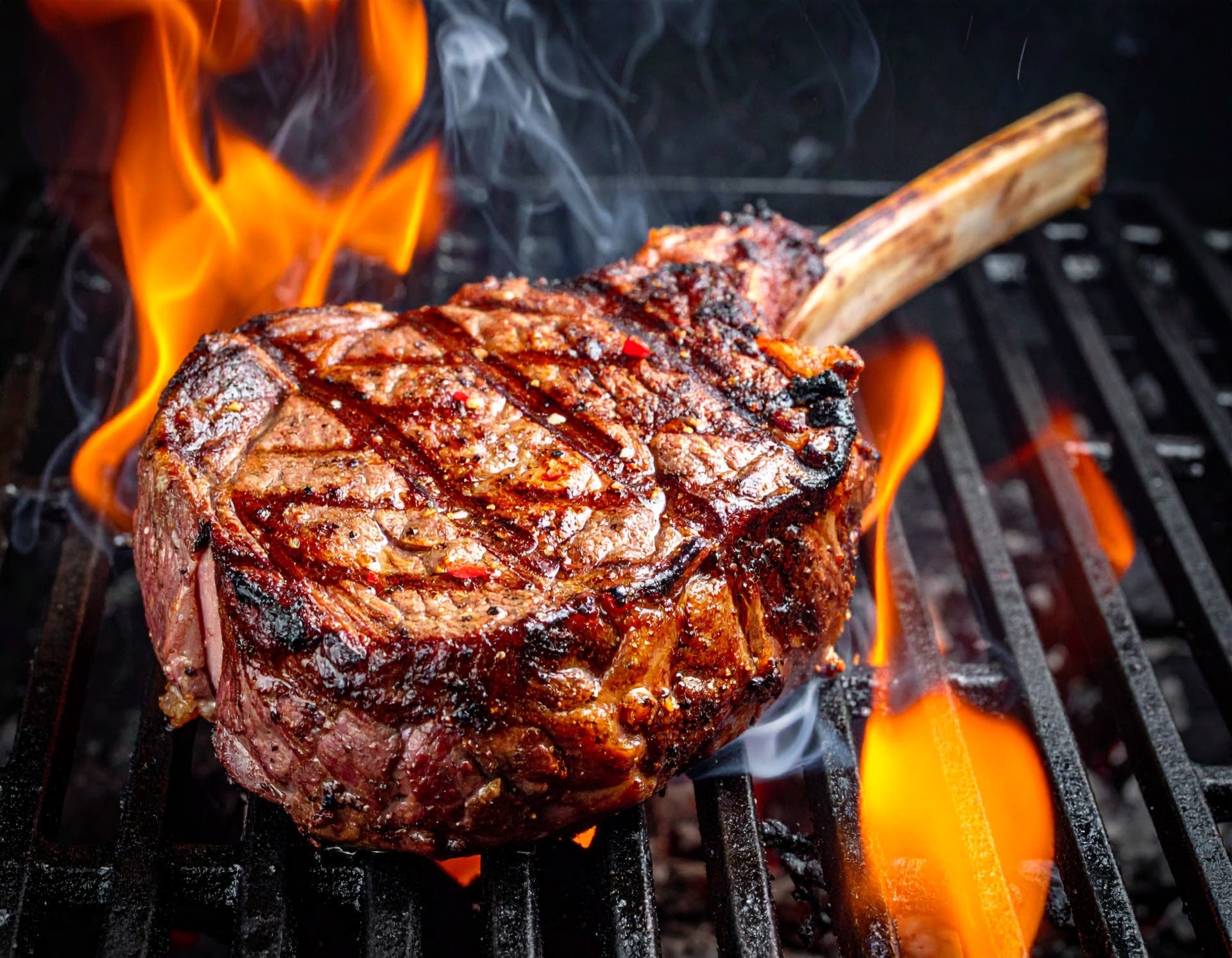
“Beef, it’s what’s for dinner,” the famous advertising slogan for the U.S. beef industry created in the early 1990s, hasn’t aged well among some consumers, who have cut beef from their grocery lists. Several years of drought forced ranchers to shrink herds, and the U.S. cattle herd is now historically small.
Overall, beef consumption isn’t expected to go down, according to new USDA estimates. Still, lower-income and budget-strained shoppers are most likely to cut back on beef or substitute some other protein in their meal planning.
“I’ve cut back on buying beef,” said Exeter (New Hampshire) Patch reader Alice. “A nice steak is now a luxury.”
“Beef is a rare purchase for us,” said Alison, a New Jersey Patch reader. “I was lucky enough to find ground beef for $2.99 a pound. I got the maximum — that was five pounds.”
“We eat chicken thighs, which I can get on sale anywhere from 99 cents a pound to $1.49 a pound,” said Alison, who added that frozen shrimp, fresh-made Rana Ravioli and salmon are all cheaper main dishes than beef.
“You really need to know your prices, buy store brands when possible and meal plan with what’s on sale,” Alison said.
“The only meat I buy is chicken, which I eat twice per week. My diet now is mostly beans and lentils. I also buy more frozen vegetables, which are less fresh and less fruit, fresh and frozen,” said Carl, a Des Plaines (Illinois) Patch reader.
Carl cuts back in other ways. He doesn’t go to movies, eats out only a couple of times a month at inexpensive diners, and doesn’t eat fast food. He walks more and drives less.
He has a sharp eye for sales.
“If the item is $1 or more off and I use a lot of it, I buy two,” he said.
“I love to have the occasional steak, but the cost is just too much,” said Glen Ellyn Patch reader Gabrielle, who said she is “definitely eating smaller portions of meat all around, which is a good change.”
She’s also buying more store brands and generics, using coupons, and shopping at discount rather than traditional grocery stores.
‘Whatever’s On Sale Is What’s For Dinner’
“The biggest change is not buying beef; it’s just too expensive,” Across America Patch reader Terri said. “I no longer buy steak or hamburger. I've switched to eating a lot more turkey, chicken and pork.
“Whatever is on sale is what’s for dinner that week. I also purchase more canned goods because they’re cheaper and last longer than fresh or frozen veggies.”
Terri and her friends have also changed their “hangout habits” and spend less time in bars and restaurants to save money.
“We now look for cheaper alternatives for things to do,” she said. “We’ll do a potluck at someone’s house, find something fun to do with a Groupon, and explore fun things we can do for free locally.”
As a single person, Terri was accustomed to cooking enough food for one rather than large family-style meals.
“Now I’ll make a big meal and freeze single-serving portions,” Terri said. “I shop at multiple stores to get the sales. I buy generic and store-brand items and use digital coupons where available. By using digital coupons, you can get ‘rewards,’ which you can use to save even more money. If a store has a reward card, I sign up for it!”
Make Soups, Meals That Can Be Frozen
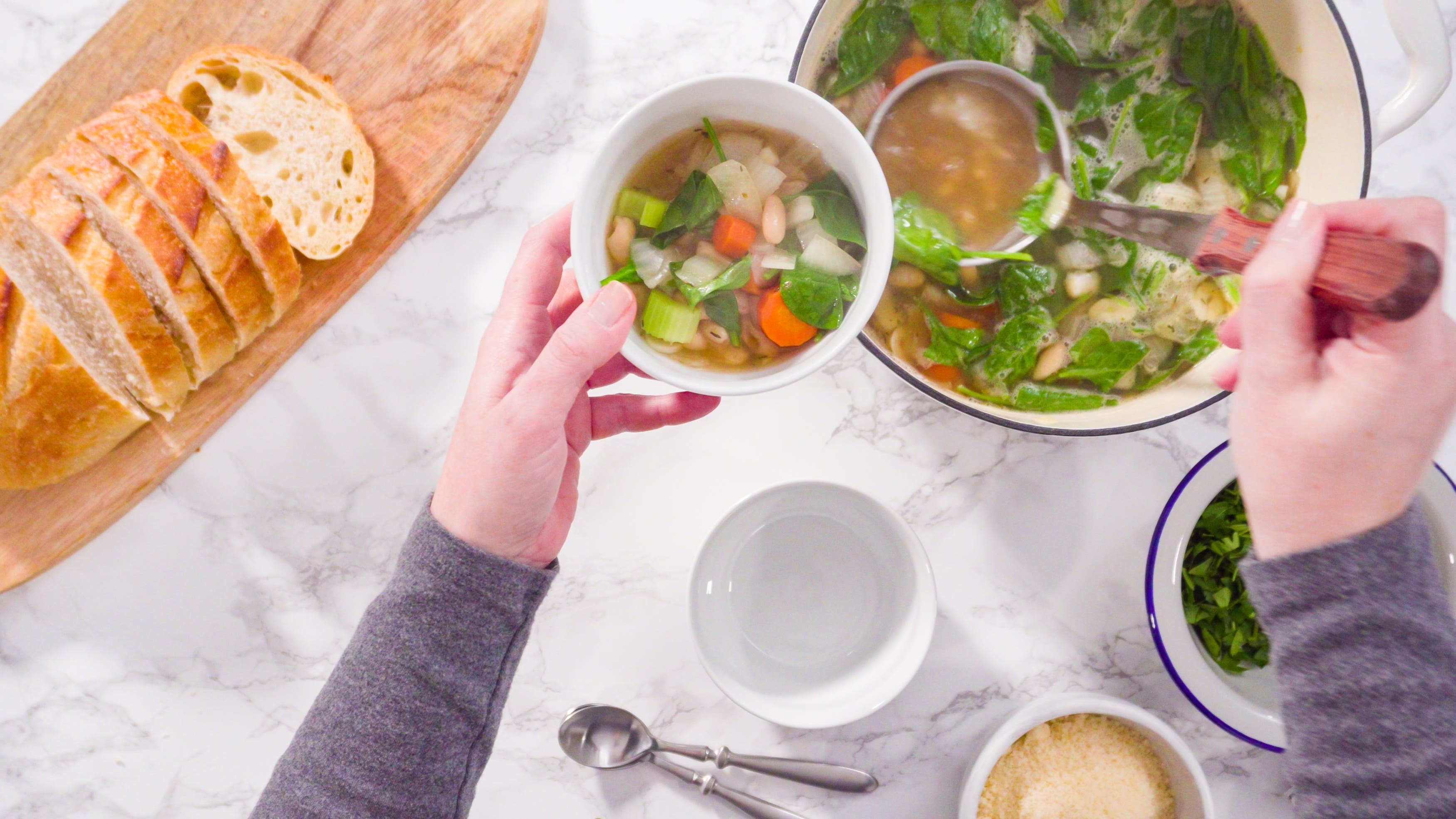
Bethel (Connecticut) Patch reader Regina is eating more plant-based meals, “although vegetables and fruits are more expensive, too,” she said.
“I am making lots of homemade soups and freezing portions to add to future meal plans,” Regina said. “Buying a whole chicken on sale is great for a nice roasted chicken meal followed by rice bowls with shredded chicken and veggies, soup, and then making chicken broth and freezing it for later.”
She has also found that frozen fruits and vegetables such as blueberries and green beans are a better deal than fresh. She builds her shopping list on sale items.
“Recently, I saw a bag of fresh-cut green beans for $9.99,” she said. “I had to walk right by them.”
Fairfield (New Jersey) Patch AM reader Carolyn has also reduced beef purchases, instead choosing chicken, canned tuna, oatmeal and five-grain hot cereal. She hunts for sales before she buys.
Carolyn offsets her grocery bill with fruits and vegetables she canned from her garden, and purchases in bulk when practical.
“My husband makes our own bread, English muffins, and pizza crust,” Carolyn added. “We both prepare our own tomato sauce. I try to use homemade items for dessert.”
Eating At Home Is Cheaper — Or Is It?
Fast food may feel cheaper in the moment, but the evidence generally shows cooking budget meals at home remains less expensive per serving—unless shoppers are comparing against the upfront cost of buying ingredients from scratch.
“I have always bought real food, looked for sales and done my own cooking,” Patch reader Ellen said. “It’s not true that real food is more expensive than junk food.”
She’s right about that, according to a USDA forecast that shows food-away-from-home is expected to rise 3.5 percent in 2026, slightly faster than grocery prices, which are expected to go up 3.2 percent.
“I buy family packs of meat and eat normal portions,” Ellen said. “You won’t find chips and trash food in my home. I have not eaten fast food for over 10 years. The money you spend at a fast food place can buy a pack of chicken you cook at home, or other real food that will make more than one meal.”
Cherry Hill (New Jersey) Patch reader Adrea is saving money by ordering meals delivered to her door more often now. Even with a delivery fee, it’s cheaper than going to the grocery store, she said.
“We look for specials; for example, two Chinese combination meals are six meals,” Adrea said. “Egg rolls and soup for one meal, and the main course is two meals.”
Her electric use has gone down as well because she’s not using the stove or the dishwasher. She also drives an electric vehicle and has been able to avoid high gas prices.
Do The Math
Before she sets out for the store — on foot as much as possible, to curb her fuel use — Sarasota (Florida) Patch reader Jo compares prices at area grocery stores. A rotisserie chicken can be stretched to a week’s worth of meals.
Jo also watches for “shrinkflation,” which allows manufacturers to raise prices by making packages and servings smaller. One of the stores she frequently shops at once sold three containers of yogurt for $4; now, $4 gets a consumer two containers of yogurt. Chocolate comes in smaller bags that cost more.
“So eliminate that from the grocery list,” she said.
Huntington (New York) Patch reader Julia is eating less beef and more chicken and pasta. When she does find beef and other meat on sale, she divides it into smaller portions and freezes them. She also maintains a small garden for fresh vegetables and herbs, and makes iced tea instead of buying soda.
Even with those adjustments, “I can’t afford the coffee I like, as it is $15 a bag, and not a one-pound bag anymore,” Julia said.
Terri, the Across America Patch reader, said her grocery shopping takes more time now because she shops at multiple stores based on their sales. Her comparisons are precise, right down to the cost per sheet of toilet paper or ounce of juice.
“I’ll hit a different store on my way home from work throughout the week,” Terri said. “No matter what I’m purchasing, I want the most for my dollar.”
Remember Pandemic-Era Prices?
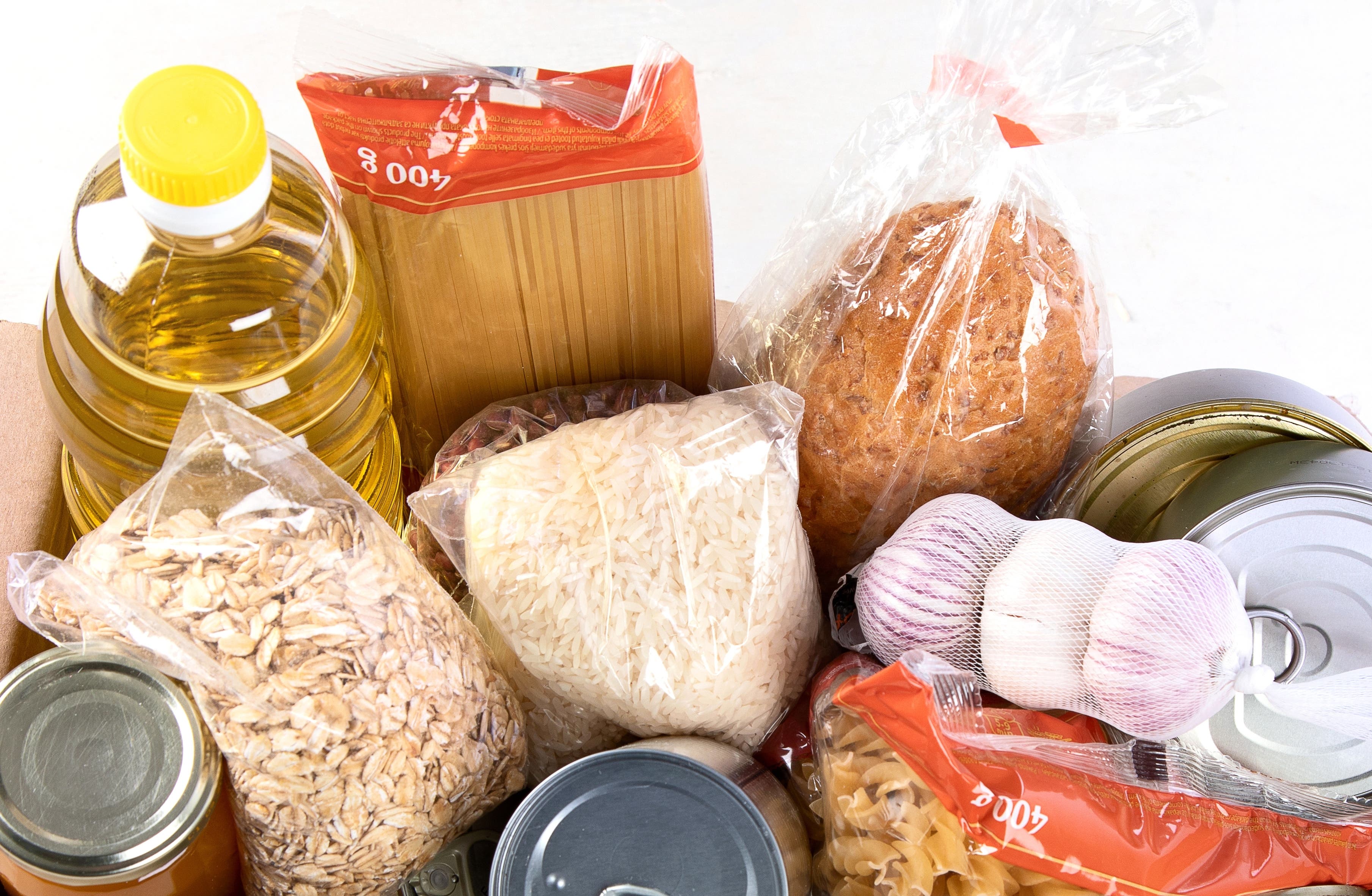
Some readers said they’re getting through price surges the same way they did during the COVID-19 pandemic. Grocery prices rose 11.4 percent in 2022, then slowed to 5.0 percent in 2023 as supply-chain and broader inflation pressures eased.
Southbury (Connecticut) Patch reader MC is “doing what I did in 2022 to 2024, when we had higher inflation than today.”
“Watch your spending, cut out ‘can live without’ items, and shop around for better prices,” MC said.
Households with at least some flexibility in their budgets can get through headline inflation with discipline, some readers said.
“Always live below the limits of your income,” said Naperville (Illinois) Patch reader Randy. “We always buy store brands unless we’ve had a bad experience with them. We don’t care whose name is on the package as long as it provides the same quality.”
“Stay on budget, stock up on sales, and cook affordable old-fashioned recipes,” said Joan, who reads Montauk Patch and Mid Hudson Valley Patch, both in New York.
Not everyone has that flexibility.
“I buy two-fers even if I don’t need the product and donate it to the food bank,” said Jo, the Sarasota Patch reader. “I have concerns for people who cannot afford the price hikes.”
You May Also Like
Get more local news delivered straight to your inbox. Sign up for free Patch newsletters and alerts.