Kids & Family
“I. Will. Do. It. There’s no question in my mind.”
One Linden Hill's mom has made it her life's work to help children and families living with severe autism.


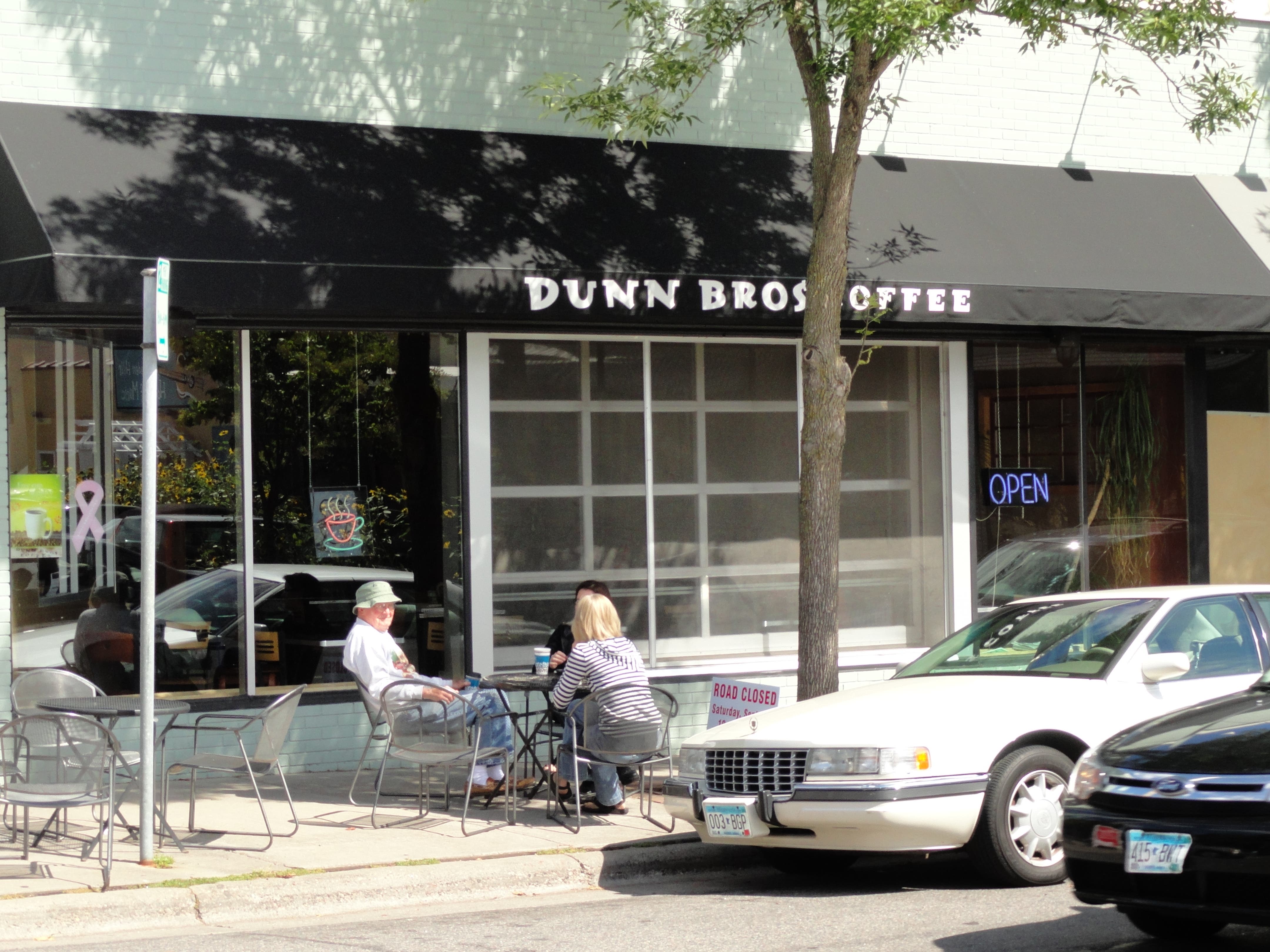
Across the table at in Southwest Minneapolis, Sheryl Grassie is voluble, rattling on at a mile a minute about the mountain of legislative work and advocacy she’s done on behalf of autistic children, and the optimistic pace of progress so far.
You don’t get the impression she’s tackling two enormous challenges at once, propelled only by love for her child and a driving sense of mission to help other families.
First is her day job—executive director of End of the Spectrum, an advocacy group focused on people living with severe autism. Regularly, Grassie does battle with legislators and state bureaucrats in her quest to change the way autistic children and adults are cared for in Minnesota.
Find out what's happening in Southwest Minneapolisfor free with the latest updates from Patch.
Second, and ever-present, is her other life’s labor: being the mother to a young teenager with severe autism.
To illustrate the awful bind in which Grassie and her fellow parents can find themselves, she related a story another parent of a severely autistic child told her.
Find out what's happening in Southwest Minneapolisfor free with the latest updates from Patch.
“One father I interviewed said to me ‘Cope? You don’t cope! You slowly go insane,’” she explained. “It’s like a water torture. Day after day, you’re worn down.”
It’s an awful life on both sides, she explained. Parents’ days can consist of constantly jumping back and forth from crisis prevention to crisis management, leaving most exhausted and many clinically depressed; their children spend their days overwhelmed by the stimuli that most of us take for granted, and not getting enough treatment that lets them have any kind of life.
“People have no idea what it was like to raise a kid who would bang their head until it’s bloody when a plane goes over,” she said. “How do you explain to someone that one fly buzzing around our heads is like a thousand flies to them?”
“It’s like a marathon” to care for a child with severe autism, Grassie said. “You get up and run one day after day, and you get finished at the end of the day you don’t think you can move but you have to get up again and do it all again.”
In many other states, autistic children whose parents can’t adequately care for them have access to residential treatment campuses in the countryside, where the level of stimuli is as controlled as possible and skilled treatment is available. In Minnesota, the only alternatives are small group homes—and there’s hardly any space left in those for the roughly 500 children a year in the state who are diagnosed with severe autism, much less the intensive level of services some children need. Grassie is trying to change that, lobbying the legislature to approve a pilot project trying to replicate other states' “autism farms.”
Like all legislative work, though, it’s been a long slog—crafting bills, constant meetings with legislators and policymakers, figuring out ways around roadblocks, educating lawmakers about the realities of severe autism. It’s tough, but to Grassie, there doesn’t seem to be any alternative. Love for her child compels her.
“(Parenting a severely autistic child, y)ou never outgrow that overprotective feeling you have with an infant or toddler,” she said. “Maternally, you hold them in your consciousness differently. It’s not that you love them more but have a diff connection. It’s almost as though cord is not getting cut somehow.”
“I also believe that (my son) has the right to a happy life, and I can see its possible,” she added, emphatically. “I. Will. Do it. There’s no question in my mind.”
Get more local news delivered straight to your inbox. Sign up for free Patch newsletters and alerts.