Health & Fitness
Romaine Lettuce E. Coli Outbreak: 2 Die In Minnesota
The deadly outbreak has now spread to 35 states and 197 people, according to the Centers for Disease Control and Prevention.


MINNEAPOLIS, MN — Four more deaths have been reported following a nationwide outbreak of the E. coli O157 infection, including two in Minnesota. The infections are associated with eating romaine lettuce.
Specific information about the Minnesota patients was not released.
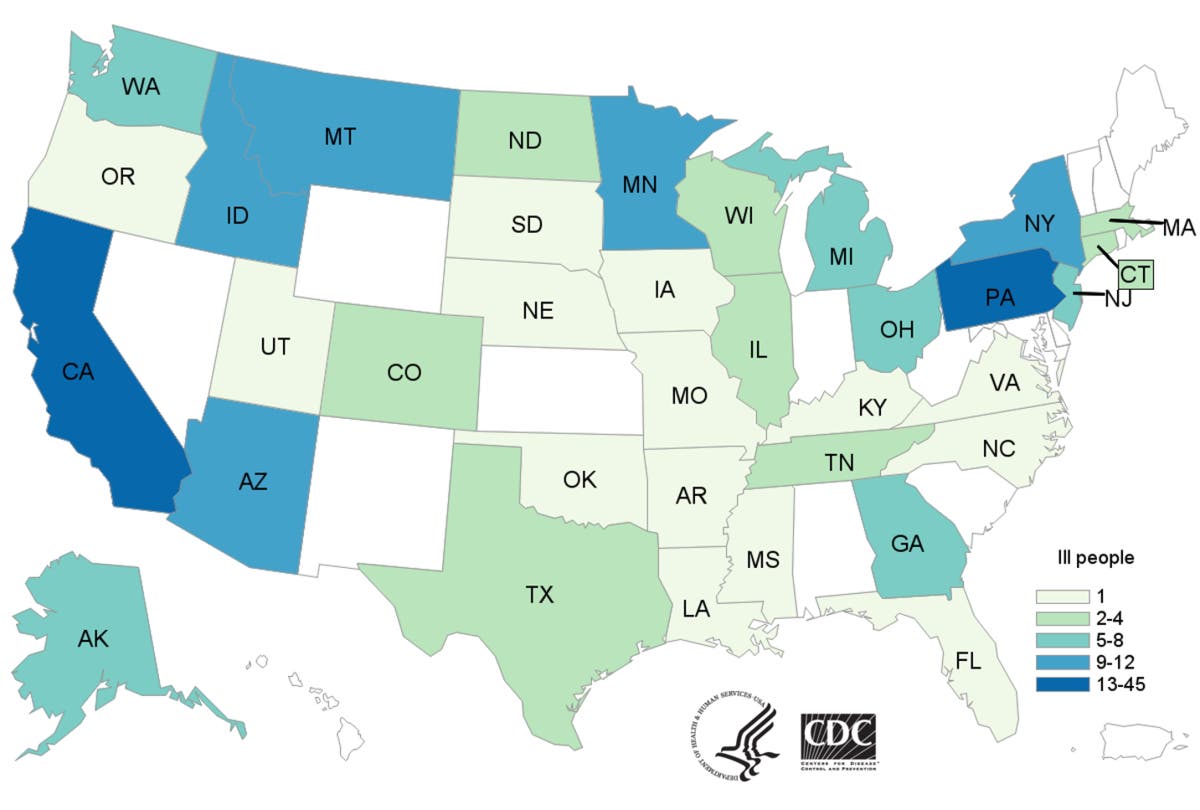
The outbreak has spread to 35 states and 197 people. Five people in total have now died from the infections, according to the Centers for Disease Control and Prevention. It's one of the largest multi-state E. coli outbreaks ever in the United States.
Find out what's happening in Southwest Minneapolisfor free with the latest updates from Patch.
At least 10 Minnesotans have been infected.
"Most of the people who recently became ill ate romaine lettuce when lettuce from the Yuma growing region was likely still available in stores, restaurants, or in peoples’ homes," says the CDC.
Find out what's happening in Southwest Minneapolisfor free with the latest updates from Patch.
Some patients became sick after having close contact with someone else who was sick from eating romaine lettuce.
The product from the Yuma growing region should no longer be on sale; however, individuals should check their refrigerators for romaine lettuce that may have been grown in the Yuma region.
"Do not eat, buy, or sell romaine lettuce unless you can confirm it is not from the Yuma growing region," Kirk Smith of the Minnesota Department of Health said in a statement last month.
"The Yuma growing region includes part of western Arizona and extends into the Imperial Valley of southeastern California, but does not include Salinas Valley or other growing regions in California."
Symptoms of illness caused by E. coli O157 typically include stomach cramps and diarrhea, often with bloody stools, but only a low-grade or no fever. People typically become ill two to five days after exposure, but this period can range from one to eight days. Most people recover in five to 10 days.
However, E. coli O157 infections sometimes lead to hemolytic uremic syndrome (HUS). Those most at risk of developing complications from E. coli O157 include children younger than 10, the elderly, and those with weakened immune systems.
Diarrhea should not be treated with antibiotics, as this practice might promote the development of HUS. Anyone who believes they may have developed an E. coli O157 infection should contact their health care provider.
More information on E. coli O157 and how to prevent it can be found on the MDH E. coli website.
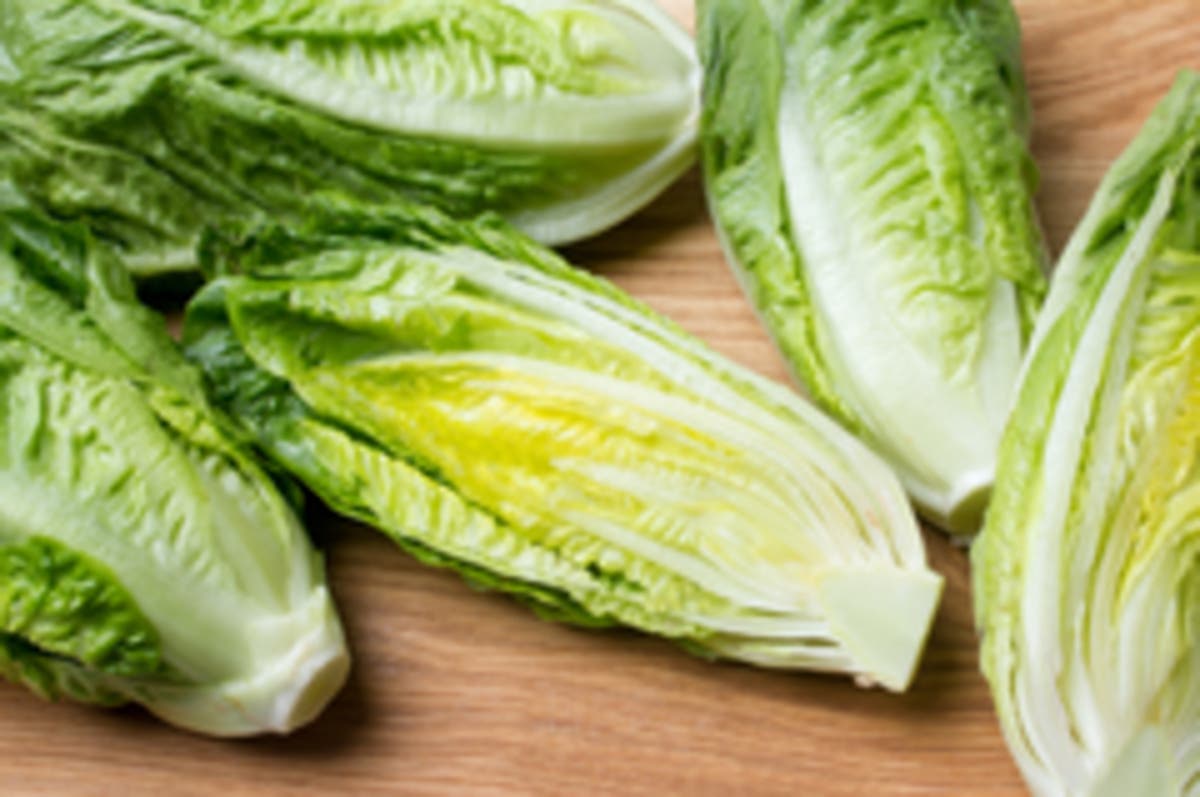
Image via Shutterstock
Get more local news delivered straight to your inbox. Sign up for free Patch newsletters and alerts.