Crime & Safety
Five Things To Know About Sex Buyers In Minnesota
The University of Minnesota has released groundbreaking research on sex buyers in the state. Here are five takeaways from the study.


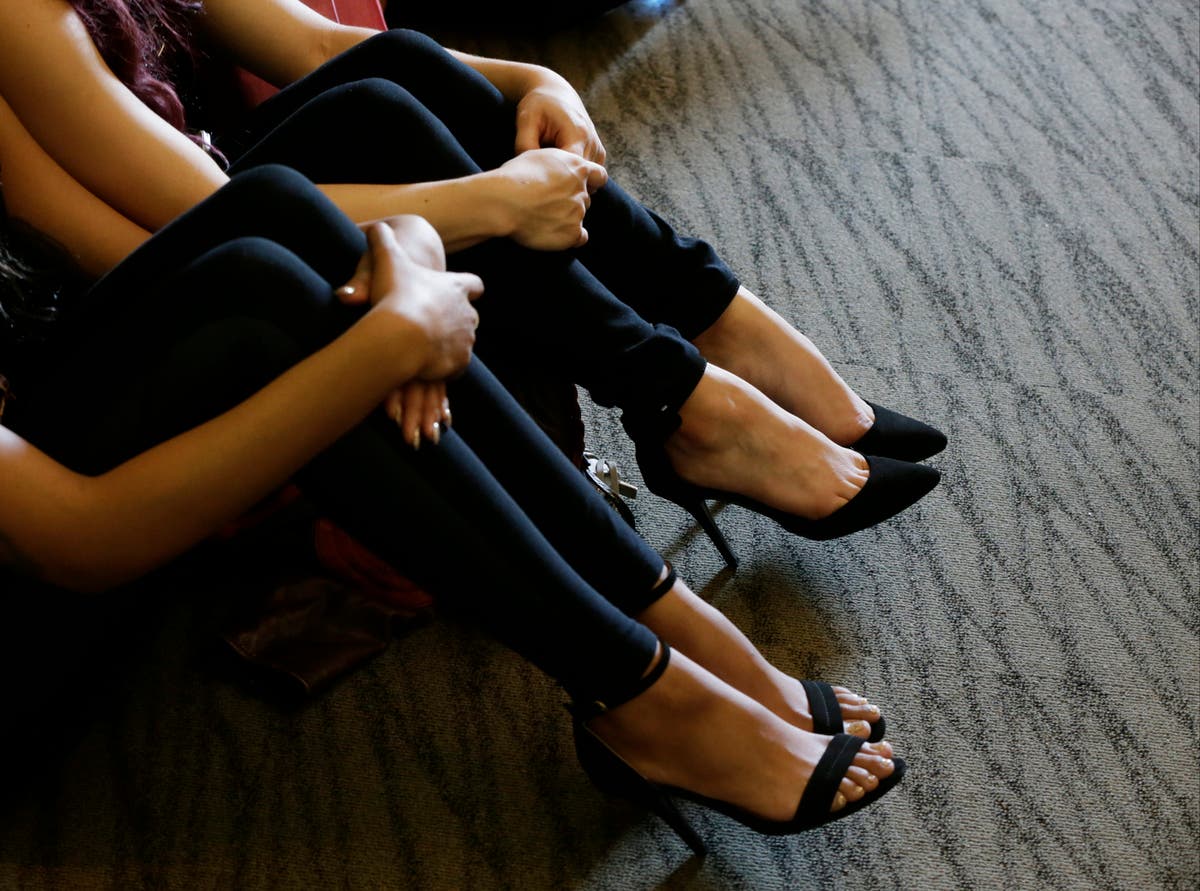
The University of Minnesota has released groundbreaking research on sex buyers in the state. The study provides insight toward developing a nationwide model to combat human trafficking, according to researchers at the University of Minnesota’s Robert J. Jones Urban Research and Outreach-Engagement Center.
With the help of social workers and law professions in Minnesota, Wisconsin, North Dakota and South Dakota, the new report looks at the demographics of Minnesota’s sex buyers, their habits, and how they enter the illegal sex marketplace, which includes victims of sex trafficking and commercial sexual exploitation.
“The market for sex buying is hidden, illegal, highly stigmatized, and often dangerous,” said Dr. Lauren Martin, the study’s primary investigator and UROC’s director of research, in a statement. “There’s no phone book or listing of sex providers, which complicates the research. However, this study is an important step in developing a knowledge-base that will help end sex trafficking in Minnesota and beyond.”
Find out what's happening in St. Louis Parkfor free with the latest updates from Patch.
This study was funded by the Women’s Foundation of Minnesota as part of its MN Girls Are Not for Sale campaign to end sex trafficking in Minnesota.
Here are five important takeaways from the study:
Find out what's happening in St. Louis Parkfor free with the latest updates from Patch.
1. Sex buyers are predominantly middle-aged, white, married men (representative of Minnesota’s general population.)
2. Sex buyers do not normally buy sex in their hometowns, especially if the buyer lives in a small town or a rural area.
3. Sex buyers in Minnesota are not always buying a person or sex act, but instead a sexual experience "that is shaped by the power and control derived from their purchasing power," the study found.
4. A large percentage of sex buyers do not know if the person they bought sex from is trafficked or not, according to the researchers. "The way most buyers enter the marketplace is designed to obscure transactional mechanisms and create a veil between trafficking operations and sex buyers," the study found.
5. Most buyers enter the marketplace through online ads and street solicitation.
Read the entire report on sex buying in Minnesota here.
Photo credit: AP Photo/Damian Dovarganes, File
Get more local news delivered straight to your inbox. Sign up for free Patch newsletters and alerts.