Politics & Government
Abortion Pill Still Available In NH After Supreme Court Stay Extended
Abortion remains accessible in New Hampshire but without legal protection.


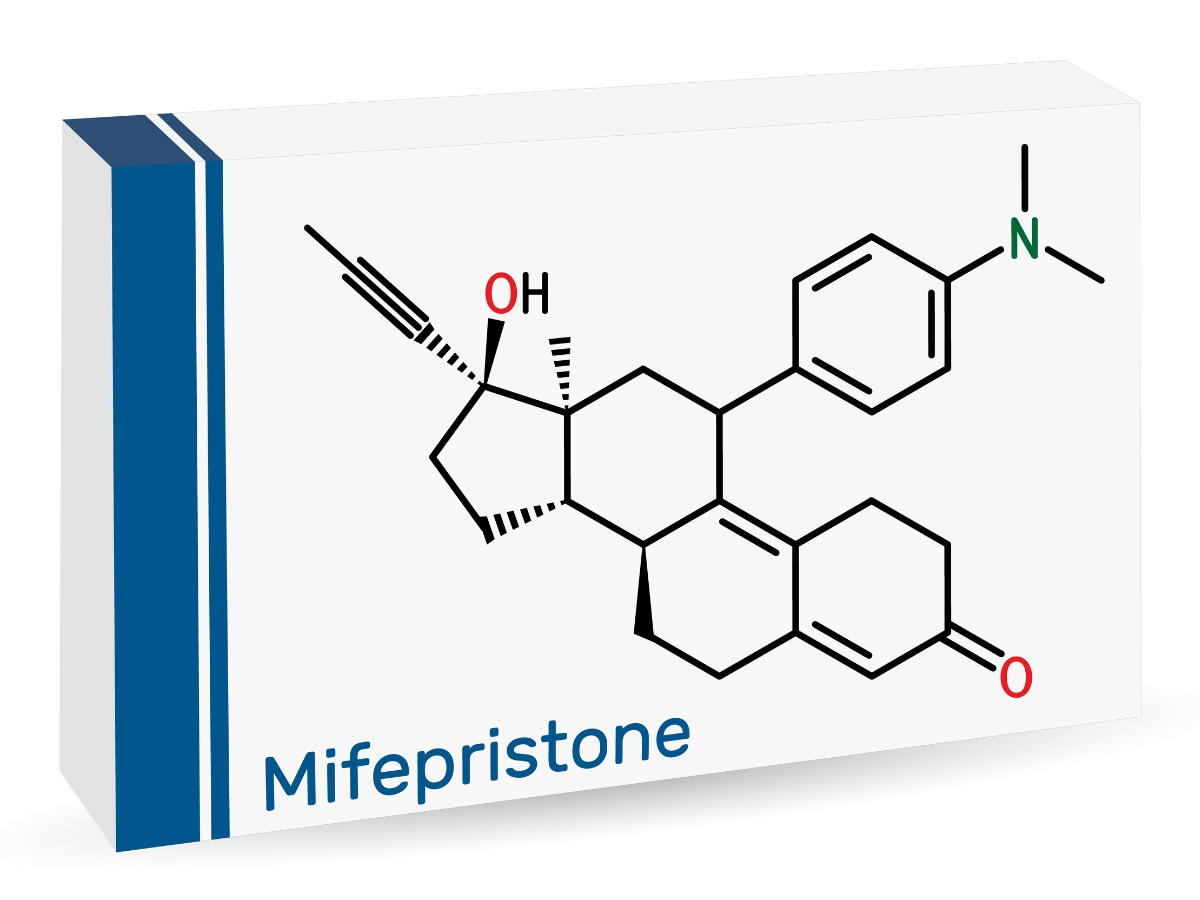
NEW HAMPSHIRE — The U.S. Supreme Court on Wednesday temporarily extended the stay on a lower court ruling that would have changed how the abortion pill mifepristone is administered.
That means things won’t change for New Hampshire women seeking medical abortions— at least not for now. The brief order, signed by Justice Samuel Alito, extends the stay until 11:59 p.m. Friday, giving the justices more time to study the issue.
Abortion will remain accessible in New Hampshire but without legal protection. New Hampshire repealed a pre-Roe ban on abortion, but state law does not expressly protect abortion.
Find out what's happening in Across New Hampshirefor free with the latest updates from Patch.
The court has yet to rule on the Biden administration’s emergency request to reject any limits on the use of the drug until cases make their way through the Supreme Court.
The case before the high court stems from a Texas judge’s April 7 ruling. Judge Matthew Kacsmaryk ordered a hold on federal approval of mifepristone, the drug that is used to carry out a majority of U.S. abortions and was approved by the FDA in 2000. Kacsmaryk’s decision overruled decades of scientific approval.
Find out what's happening in Across New Hampshirefor free with the latest updates from Patch.
Less than a week later, a federal appeals court modified the ruling so that mifepristone would remain available while the case continues, but with limits. The appeals court said that the drug can’t be mailed or dispensed as a generic and that patients who seek it need to make three in-person visits with a doctor, among other things.
The generic version of mifepristone makes up two-thirds of the supply in the United States, its manufacturer, Las Vegas-based GenBioPro Inc., wrote in a court filing that underscored the perils of allowing the restrictions to be put into effect.
The court also said the drug should only be approved through seven weeks of pregnancy for now, even though the FDA since 2016 has endorsed its use through 10 weeks of pregnancy.
Complicating the situation, a ruling by a federal judge in Washington ordered the FDA to preserve access to mifepristone in 17 Democratic-led states and the District of Columbia that filed a separate lawsuit.
The Biden administration and New York-based Danco Laboratories, the maker of the drug, have asked the Supreme Court to reject limits on mifepristone’s use imposed by lower courts, at least as long as the legal case makes it way through the courts.
The Biden administration has said the rulings conflict and create an untenable situation for the FDA, and that women who want the drug and providers who dispense it will face chaos if limits on the drug take effect.
Justice Samuel Alito put the restrictions on hold through Wednesday to give the court time to consider the emergency appeal.
The Supreme Court struck down Roe v. Wade last June, and states have since put together a patchwork of abortion laws. A dozen states have enacted laws so restrictive that abortions are effectively banned.
New Hampshire law prohibits abortion at twenty-four weeks last menstrual period, according to the Center for Reproductive Rights. It also prohibits intact dilation and extraction and limits public funding for abortion. New Hampshire’s targeted regulation of abortion providers laws includes requirements related to reporting dilation and extraction procedures in emergency situations and abortions performed beyond 24 weeks.
Even in states where abortion is legal and available, providers would have to limit services to in-clinic procedural abortion if mifepristone became unavailable or switch to a misoprostol-only abortion regime, according to the Guttmacher Institute. The drug can be used alone to terminate pregnancies, but medical experts have said it is not as effective as the standard two-pill regimen of mifepristone and misoprostol.
Also, patients whose providers prescribe abortion pills during clinic visits or via telehealth would no longer be able to pick them up from participating pharmacies or in the mail.
The impact would be far greater in 10 states — Colorado, Georgia, Indiana, Iowa, Maine, Montana, New Mexico, Pennsylvania, Vermont and Washington — where women’s access would be even more limited if providers don’t offer a regimen of misoprostol alone, according to Guttmacher.
The Associated Press contributed reporting
Get more local news delivered straight to your inbox. Sign up for free Patch newsletters and alerts.