Politics & Government
Bloomquist: A Quarter Of A Century After 9/11 Terrorist Attacks, Firefighters Are Still Dying
Writer: Cancers, other illnesses continue to claim the lives of firefighters, first responders, and others who lived or worked near the WTC.

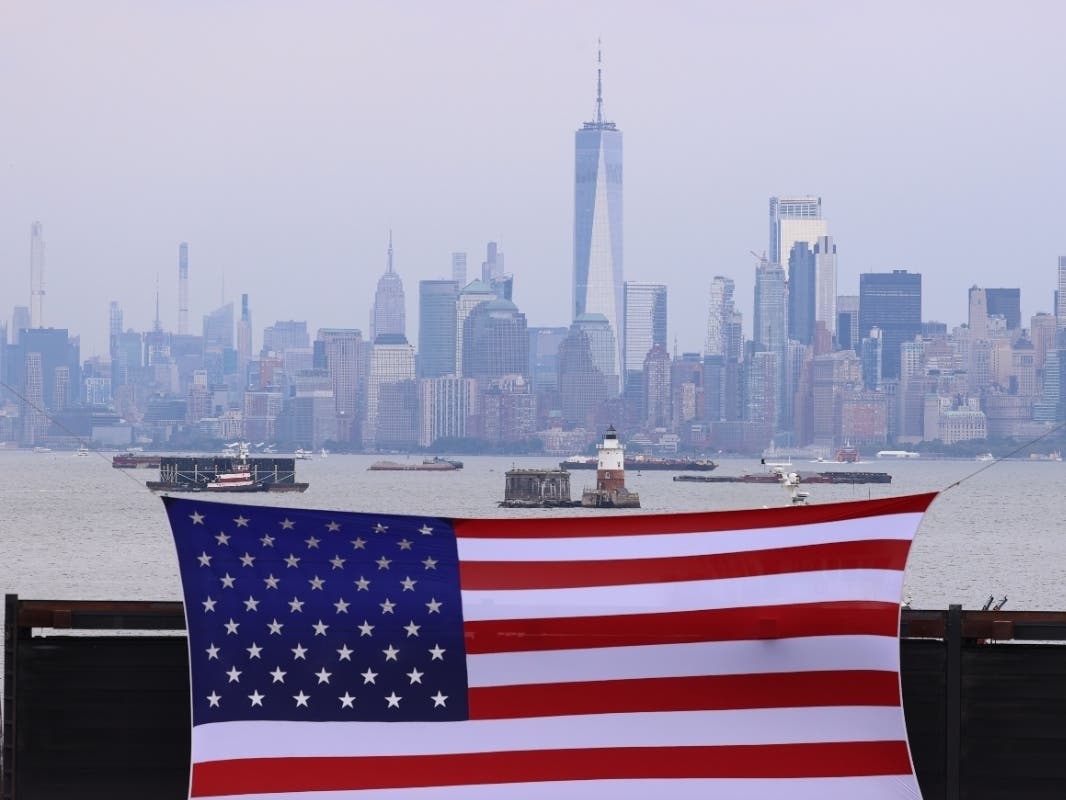
Twenty-five years after the Sept. 11 terrorist attacks killed 343 members of the New York City Fire Department in a near instant, the events of that terrible day are still exacting a deadly toll.
Cancers and other illnesses continue to quietly claim the lives of firefighters, first responders, and others who lived or worked near the World Trade Center on that dreadful day.
Find out what's happening in Across New Hampshirefor free with the latest updates from Patch.
More than 600 FDNY members have died of World Trade Center-related illnesses since the attacks, surpassing the number of department members killed on Sept. 11, according to a 25-year report from the FDNY World Trade Center Health Program. Civilians who were extensively exposed to the World Trade Center collapse and rubble have also fallen victim to these illnesses over the past 25 years.
The Firefighter Cancer Support Network (FCSN) is using the 25th anniversary to raise awareness of the continuing health toll and a broader occupational cancer threat facing firefighters nationwide. The group is also leading an effort to develop national cancer-screening recommendations specifically for firefighters.
Find out what's happening in Across New Hampshirefor free with the latest updates from Patch.
“The sacrifice didn’t end on September 11,” said Lisa Raggio, chief executive officer of the Firefighter Cancer Support Network. “Twenty-five years later, we are still counting the toll of that day — and firefighters across the country continue to walk into the same category of exposure on every fireground. The country has never had a set of cancer screening recommendations built for the job firefighters do. We are changing that.”
That need is growing more urgent as the people exposed to toxic dust, smoke and debris after the attacks grow older, according to FCSN and other experts.
“The people who do this work do not ask for parades,” said FCSN board member Andy O’Brien. “They ask the country to notice when the job catches up with them.”
The World Trade Center Health Program, administered by the National Institute for Occupational Safety and Health, had 145,275 responders and survivors enrolled as of June 30, 2026.
Over the life of that program, 57,044 cancers had been certified as World Trade Center-related health conditions, according to the WTCHP’s June 2026 quarterly report. That number represents cancer certifications rather than individual patients because one person can have more than one cancer. In the 12 months ending June 30, the program recorded 10,393 cancer certifications—about one certification every 50 minutes.
Cancer was not initially included in the WTCHP’s list of 9/11-related illnesses. It was added to the roster of covered conditions in 2012 as research and medical evidence about the long-term effects of exposure at Ground Zero accumulated.
The risk of occupational illness caused by exposure to toxins is not limited to those who responded to the Sept. 11 attacks.
A landmark National Institute for Occupational Safety and Health study of nearly 30,000 career firefighters in Chicago, Philadelphia and San Francisco found that firefighters had 9% more cancer diagnoses and 14% more cancer deaths than expected based on rates in the general U.S. population.
In 2022, the World Health Organization’s International Agency for Research on Cancer classified occupational exposure as a firefighter as carcinogenic to humans, placing it in the agency’s highest hazard category. Researchers found sufficient evidence linking firefighting exposure to mesothelioma and bladder cancer. They found more limited evidence of connections to colon, prostate and testicular cancers, skin melanoma and non-Hodgkin lymphoma.
Firefighters can encounter carcinogens in smoke, soot, diesel exhaust and debris released when buildings, vehicles, furniture, plastics and other manufactured materials burn. Hazardous substances can be inhaled, swallowed or absorbed through the skin. Contaminated protective gear can also continue exposing firefighters after a fire has been extinguished.
As a result, cancer has become one of the fire service’s greatest occupational dangers. Of the 311 members recognized at the International Association of Fire Fighters’ Fallen Fire Fighter Memorial in September 2025, 247—almost 80%—died of occupational cancer.
Yet the cancer-screening recommendations commonly used in the United States do not provide a uniform, nationally accepted screening schedule tailored to the combination of exposures firefighters may accumulate throughout their careers. The standards are generally designed around age, sex, family history and risks in the overall population.
“Existing recommendations are age-averaged for the general public, built for a population whose exposure profile looks nothing like a firefighter’s,” said FCSN’s O’Brien. “A 25-year-old rookie firefighter is on the same screening timeline as a 25-year-old accountant.”
This diagnostic blind spot can leave firefighters and their doctors without clear answers about whether screening for certain cancers should begin earlier or occur more often. That matters because early detection can improve treatment options and survival for many cancers. It becomes especially important as firefighters age because cancer risk generally rises over time, and some occupational cancers may take years or decades to develop.
FCSN is working to rectify the lack of screening standards by leading the National Initiative for Firefighter Cancer Screening Recommendations, a working group of experts in oncology, occupational medicine, epidemiology and firefighter health, along with fire service leaders. The group hopes to begin releasing evidence-informed firefighter cancer-screening recommendations in 2027.
“Our role is to be the catalyst,” said Russ Osgood, chief education officer at FCSN. “We aim to bring the science, the medicine, and the fire service to the same table, and to build cancer screening recommendations that are rigorous, practical, and worthy of the people they’re meant to protect.”
The recommendations are expected to help firefighters and medical professionals consider years of service, types of exposure and other occupational factors when making screening decisions.
Until that guidance is available, FCSN is urging firefighters and retired firefighters to make sure their medical providers know about their complete work histories, including significant fires, hazardous materials incidents and exposure at disaster sites.
That conversation does not necessarily mean a firefighter will undergo testing. Screening can have drawbacks, including false-positive results, unnecessary biopsies and treatment of cancers that might never become dangerous. The potential benefits and risks vary by cancer type and patient.
But advocates say occupational exposure should be part of the discussion, particularly for retired firefighters whose years in the service may otherwise be overlooked.
For the nation’s firefighters and the communities that depend on them, the toll of Sept. 11 is a reminder that the hazards of the profession do not always end when the fire is out.
Randall Bloomquist is the owner of Bloomquist Media, a writing and editorial services firm. He wrote this for InsideSources.com.
This story was originally published by the NH Journal, an online news publication dedicated to providing fair, unbiased reporting on, and analysis of, political news of interest to New Hampshire. For more stories from the NH Journal, visit NHJournal.com.