Politics & Government
DNC Drops Debate Schedule, Re-Ups Threat To NH Democrats' FITN Primary
DNC Chairman Ken Martin calls for uniting the party in 2028, avoiding the New Hampshire FITN primary, and using the rules to do it.

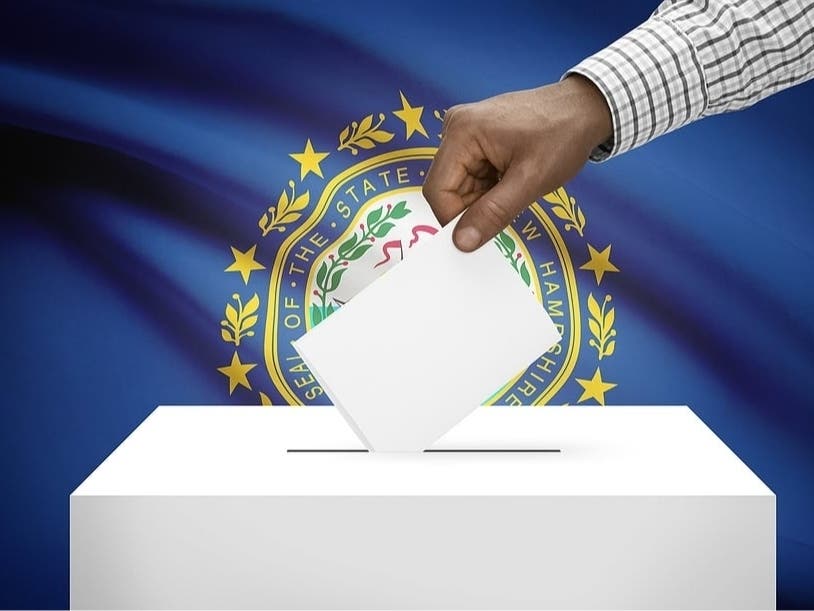
The Democratic National Committee announced its debate schedule for the 2028 presidential nomination process Monday, with 12 contests beginning this June. And while the so-called “dark money” pledge candidates must make grabbed the headlines, the big news for New Hampshire is the DNC’s threat against the first-in-the-nation (FITN) primary.
“Democrats are on offense after our historic victories in the midterms, and the DNC is keeping our foot on the gas as we head into the 2028 cycle,” DNC Chair Ken Martin said in a statement. “The fair and transparent process and experienced leadership team we’re announcing today will keep our party united, strengthen our eventual nominee, and put Democrats in position to take back the White House.”
Find out what's happening in Across New Hampshirefor free with the latest updates from Patch.
That “unity” includes uniting the Democratic candidates on the issue of avoiding the New Hampshire FITN primary and using the rules to do it. Monday’s schedule announcement reiterated the DNC’s plan to punish candidates who participate in the Granite State’s January primary, including:
- Prohibiting candidate participation in DNC debates if that candidate or their campaign violates the early window rules.
- Prohibiting candidates who violate the rules from earning delegates in any early window contest.
- Implementing a $270,000 fine for any state that hosts an unsanctioned contest.
Instead, the DNC wants New Hampshire to go third, on Feb. 8, after South Carolina and Nevada. State law mandates New Hampshire hold its primary a week before any similar contest, putting the date in mid-January.
Find out what's happening in Across New Hampshirefor free with the latest updates from Patch.
With the first debate just seven months away, the New Hampshire Democratic Party has yet to lay out any plans to push back against the DNC and protect the state’s FITN status.
Asked about Monday’s announcement and the DNC’s threats, veteran Democratic strategist Jim Demers demurred.
“I’m going to let the people who make those decisions figure that out,” he told NHJournal.
“The New Hampshire primary is still well over a year away, and conversations are likely to continue. And I don’t know what it’s going to look like,” Demers added.
State Democratic Party Chairman Ray Buckley, widely blamed for fumbling the FITN over the past decade, posted a statement on social media praising the DNC’s targeting of super PAC campaign dollars.
“The influx of dark money in Democratic primaries is obscene. I am so pleased the DNC is using the power of the debate stage to drive the scourge of dark money out of the presidential nominating process and, of course, provide for a pre-primary debate in each of the 6 early states. Good job,” Buckley wrote.
But he had no comment about the DNC threatening to deny debate access to candidates who campaign in his state’s official primary.
The three Democrats running for secretary of state have also been asked about protecting the primary from their own party’s leadership. All three pledge to “follow the law” requiring the state’s primary to go first, but they were less definite about what actions they would take to push back against the DNC.
State Rep. Patrick Long, D-Manchester, one of the secretary of state candidates, told NHJournal Monday he’s been informed there is a strategy for New Hampshire Democrats to appease the DNC.
“I think the New Hampshire Democratic Party has a plan to potentially do a party-run primary where they would start the early voting in conjunction with the state primary, and then just not release results until later,” Long said. “Maybe the DNC will accept that.
“I don’t know the full details of what they have in mind, but it seems like there is a plan to address this.”
Demers told NHJournal he hoped Democrats would recognize both New Hampshire’s tradition of scrutinizing candidates and the potential to keep independent voters engaged following the midterms.
“I’ve often said this is the biggest face-to-face job interview in America, the New Hampshire presidential primary,” Demers said.
Independent and undeclared voters “are feeling energized right now,” he added. “They’re angry, just like a lot of other voters, and they’re going to stay engaged if the Democrats give them reason to stay engaged.”
There are also serious questions being asked about the new “Fair Campaign Practices Pledge” candidates will be forced to sign in order to qualify for debate participation.
Candidates are “committing to denounce dark money spending in our primary in order to qualify for debate participation,” according to Monday’s announcement. “Given the importance of party committee neutrality during the presidential nominating process, candidates will also pledge not to enter into joint fundraising agreements with any Democratic Party committee or authorize any coordinated party spending during the primary.”
Veteran campaign professionals see enforcing the rules as all but impossible. Given that candidates are legally prohibited from coordinating with independent expenditure organizations like super PACs, it seems highly unlikely they’ll be able to stop the spending.
“Won’t this just encourage AIPAC/outside groups to back the dump truck up on negative against disfavored candidates who will then be relatively defenseless?” asks former Kamala Harris campaign aide Rob Flaherty.
“How do we prevent this from advantaging self-funders? What happens when everyone denounces the spending but their aligned Super PAC spends anyway?”
This story was originally published by the NH Journal, an online news publication dedicated to providing fair, unbiased reporting on, and analysis of, political news of interest to New Hampshire. For more stories from the NH Journal, visit NHJournal.com.