Seasonal & Holidays
A Pardoned Raccoon, Arlo Guthrie’s Garbage, And The Year There Were 2 Thanksgivings
A littering arrest became a holiday tradition, a raccoon escaped the Thanksgiving table, and a sitcom classic had real-life roots.


Thanksgiving has produced some pretty good stories over the years, and not all of them involve what was served for dinner.
There was the time young Arlo Guthrie and his pal got into trouble for taking out the garbage. And a classic TV sitcom turkey drop that’s not as fictional as you may think. And then there’s the history you were never taught in school, the White House pardon of a raccoon that was supposed to be Thanksgiving dinner.
Some of these stories have become holiday traditions. Others are just too good to forget. And as with most stories told around the Thanksgiving table, a few have gotten better with age.
Find out what's happening in Across Americafor free with the latest updates from Patch.
Pardon Wasn’t For Turkey
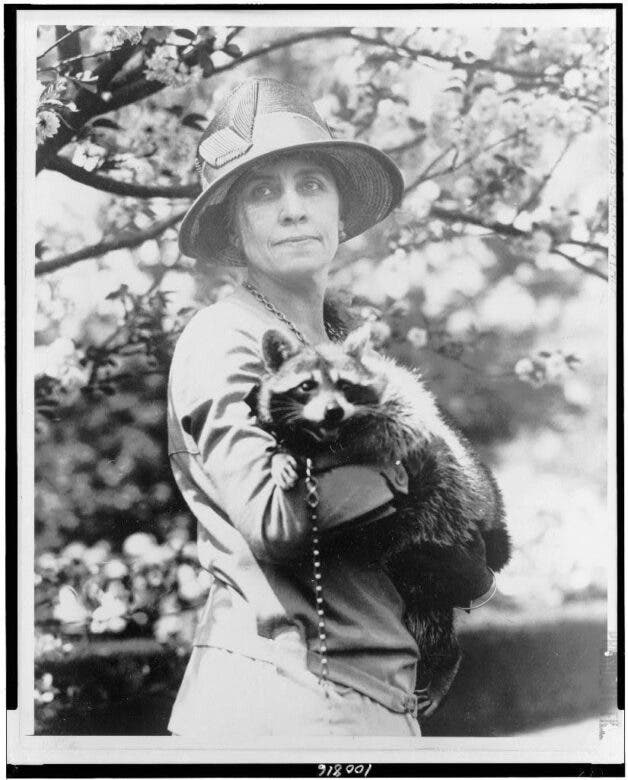
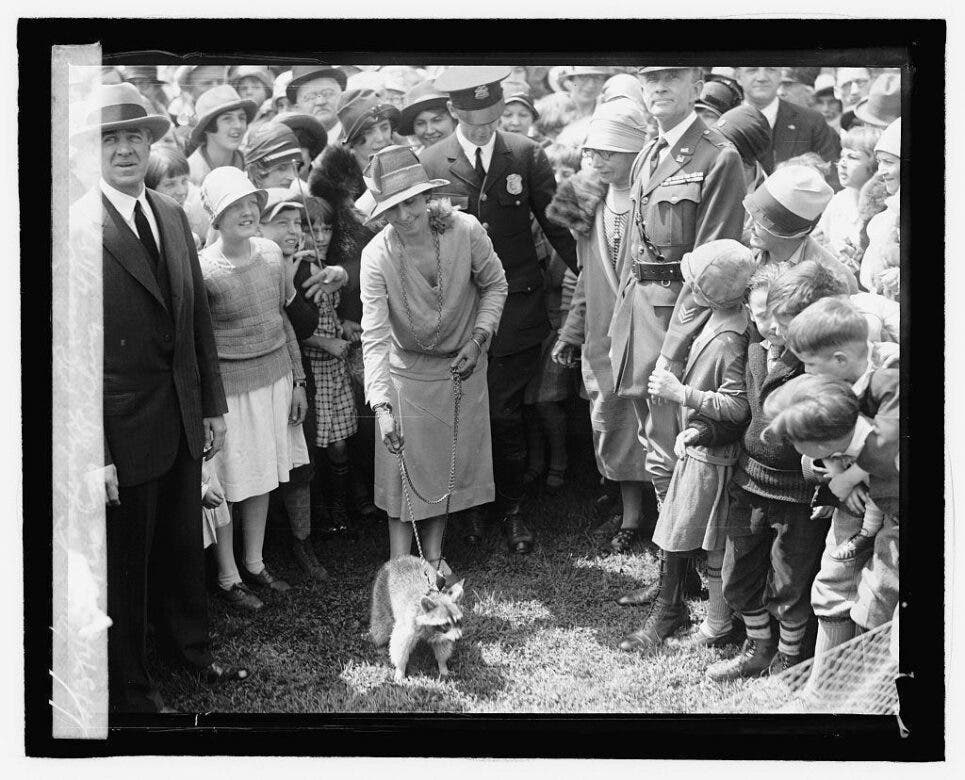
Guess who didn’t come to dinner when President Calvin and First Lady Grace Coolidge celebrated Thanksgiving in the White House 100 years ago?
Rebecca. The Coolidges couldn’t bear the thought.
Find out what's happening in Across Americafor free with the latest updates from Patch.
Rebecca was a raccoon, a gift from a supporter in Mississippi who suggested they serve the masked bandit for dinner, according to the White House Historical Association.
Before you make that face, the raccoon was a source of sustenance for Native Americans, early American settlers and enslaved people in the American South. A case can be made that raccoon is far more representative of Thanksgiving than turkey. It became a holiday staple in the mid-1800s, thanks largely to magazine editor Sarah Josepha Hale, who spent decades campaigning for a national holiday and popularized the bird as its centerpiece through recipes and holiday menus published in Godey’s Lady’s Book.
Raccoon, possum and squirrel were today’s steak and lobster on menus at many urban restaurants. These varmints also were sold in many game markets around the turn of the 20th century. It was normal.
So it would make sense that the First Family might actually want roasted raccoon on their table.
But no. The raccoon was pardoned instead. They fell instantly in love with the critter, named her Rebecca and turned her into a White House pet. The president even gave her a Christmas gift of a collar embroidered with “White House Raccoon,” Rebecca’s nickname with the press, and the First Lady took her to the White House Easter Egg Roll the following spring.
The Coolidges brought Rebecca along on their vacation to the Black Hills that summer. Although they initially planned to bring only Mrs. Coolidge’s five canaries and their pair of collies, they couldn’t bear the thought of leaving Rebecca behind.
Thanksgiving Sing-Along
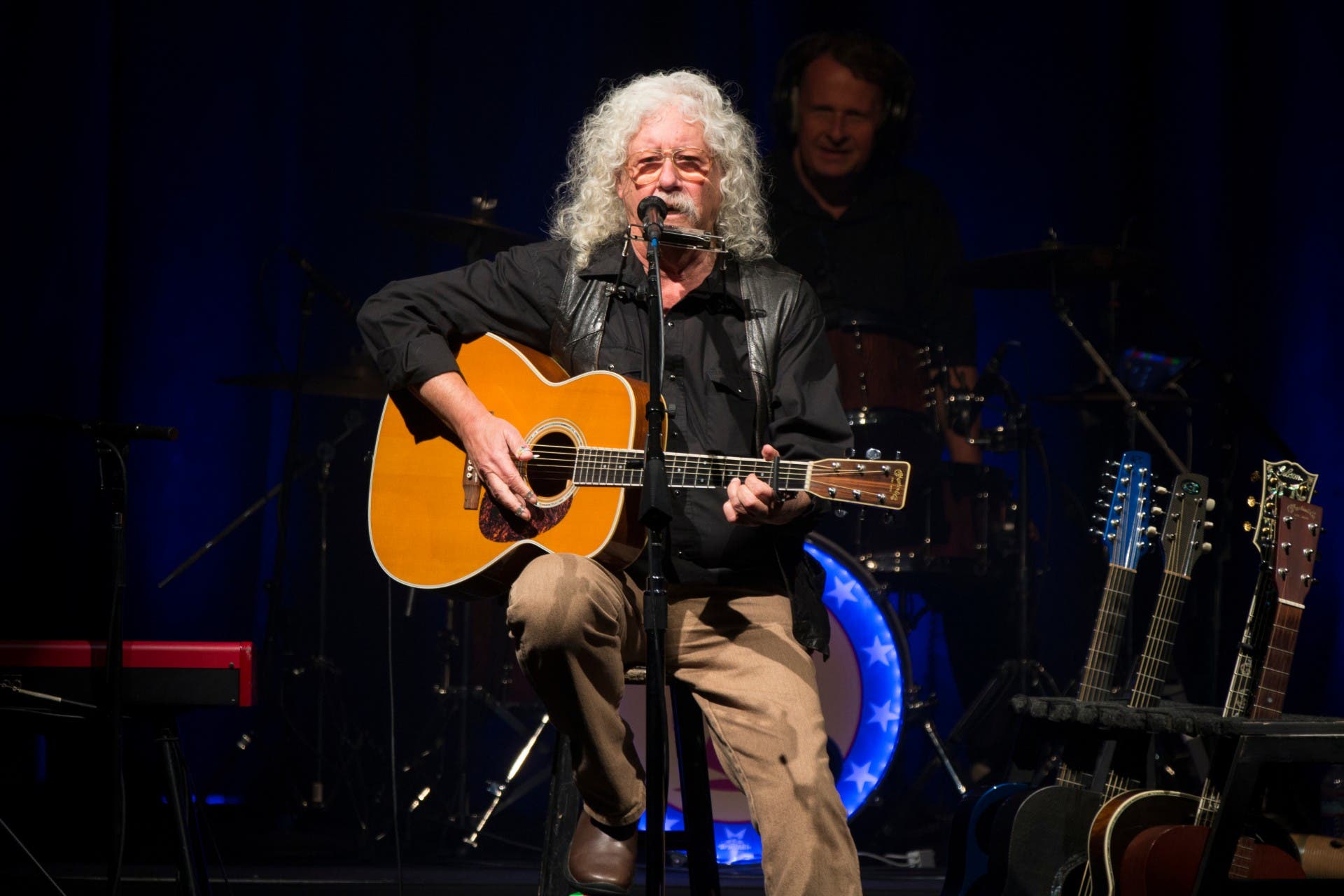
One of America’s most enduring Thanksgiving traditions began with a good deed, a Volkswagen Microbus full of garbage and a dump that was closed for the holiday.
You know what’s coming.
“You can get anything you want at Alice’s Restaurant.”
On Nov. 25, 1965, an 18-year-old Arlo Guthrie and his friend Rick Robbins volunteered to haul away a pile of trash from the converted church in Stockbridge, Massachusetts, where their friends Alice and Ray Brock had hosted about a dozen of them for a Thanksgiving feast.
They nearly filled the Volkswagen bus with bottles, garbage, paper, boxes and even a divan. Alas, the dump was closed, so they did what seemed like a perfectly reasonable plan at the time. They tossed the garbage down a hillside where someone else had already dumped trash.
Alas, Police Chief William “Officer Obie” Obanhein tracked them down. They pled guilty to “illegally disposing of rubbish,” were fined $25 each, and were ordered to clean up the garbage, which they did after a heavy rain.
It might have been forgotten if Guthrie hadn’t later been called for a Vietnam War draft examination. His littering conviction landed him in Group W, where prospective soldiers with criminal records and other issues were set aside for further scrutiny. The absurdity of being considered unsuitable for military service because he’d dumped garbage, while the Army was preparing to send young men to war, wasn’t lost on Guthrie.
He turned the whole ridiculous episode into “Alice’s Restaurant Massacre," an 18-minute and 34-second musical monologue released in 1967 that became an antiwar anthem and, improbably, a Thanksgiving tradition.
Radio stations across America still play the whole thing on Thanksgiving Day. For listeners who have made a yearly ritual of it, Officer Obie is practically an old acquaintance; everyone knows the significance of the Group W bench, and nobody needs prompting when it’s time to sing the chorus.
The Year Of 2 Thanksgivings
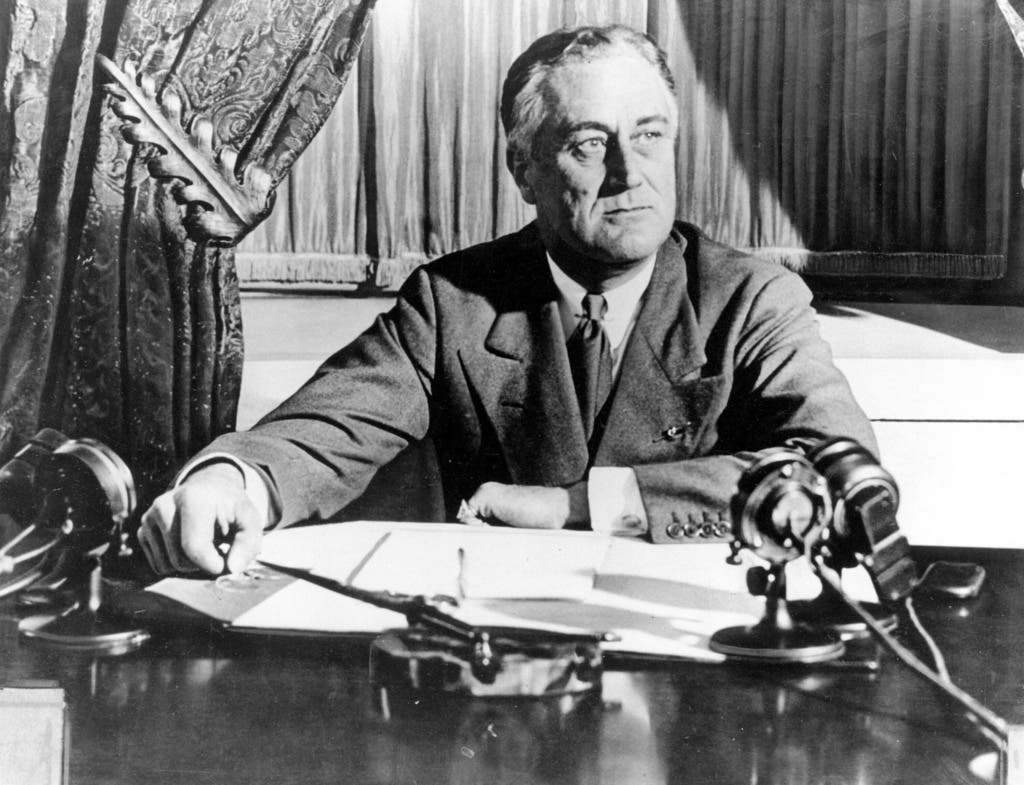
Thanksgiving was once a political football, and in 1939, Americans couldn’t even agree on which Thursday to carve the turkey.
President Franklin D. Roosevelt moved Thanksgiving up a week, from Nov. 30 to Nov. 23, hoping to give Depression-era retailers an extra week of Christmas shopping. It seemed like a harmless enough idea, but Americans were having none of it.
Thousands of angry letters poured into the White House. Calendar makers were stuck with outdated products, schools scrambled to rearrange vacations and football games, and some governors flatly refused to go along. Depending on where they lived, Americans celebrated Thanksgiving on different Thursdays, complicating family gatherings across state lines.
The controversy dragged on for two more years before Congress settled the matter in 1941, establishing the fourth Thursday in November as Thanksgiving. And that’s how a holiday meant to bring Americans together ended up with a permanent place on the calendar.
The Turkey Drop Disaster
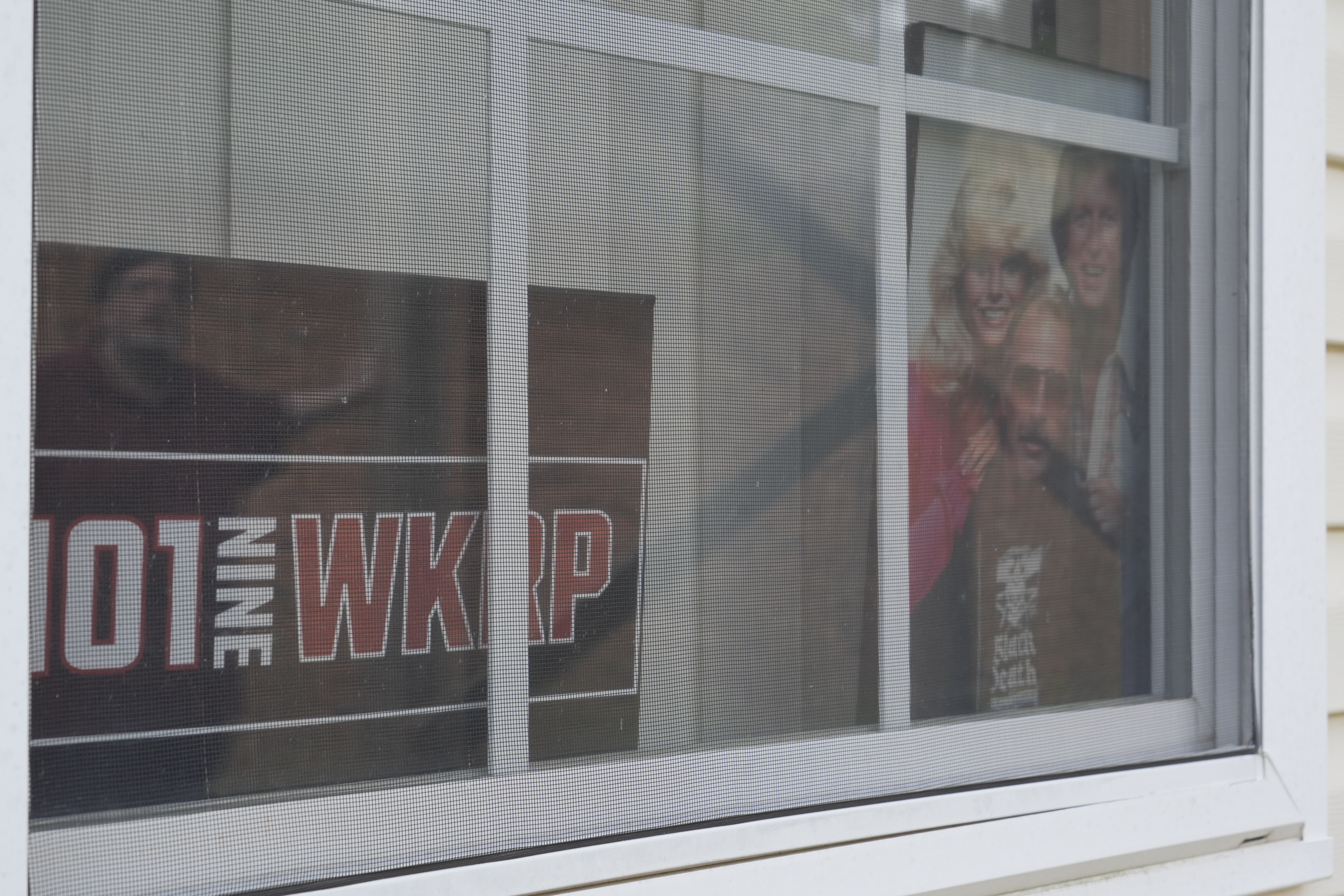
Fans of the 1970s sitcom “WKRP in Cincinnati” know exactly what happened with the fictional radio station’s ill-fated Thanksgiving turkey drop over a crowded shopping center.
What they may not know is that the sitcom created by ad executive Hugh Wilson included characters and antics based on real people and things that actually happened at Atlanta’s top 40 AM radio powerhouse at the time, 790/WQXI-AM, according to the Atlanta Journal-Constitution.
Wilson, according to an oral history on the website Classic TV History, based the episode on a story recounted by Jerry Blum, the station’s general manager at the time.
Blum “told me about a promotion — I believe in Texas, and I want to say Dallas, but I’m not sure — in which he threw turkeys out of a helicopter, and they didn’t fly,” Wilson said.
“They crashed to the ground; it was just a horrible disaster and he wound up losing his job over it,” Wilson continued. “So I said to him at the time, ‘Jerry, I think you just won me an Emmy.’”
The real-life turkey drop was a debacle, but accounts differ on the particulars. The birds apparently came off the back of a truck, not a helicopter. Either way, they couldn’t fly, and the promotion went so, so wrong.
“We thought that we could throw these live turkeys out into a crowd for their Thanksgiving dinners. All of us, naïve and uneducated, thought that turkeys could fly. Of course, they went just f - - - -n’ splat,” radio executive Clarke Brown said, according to the Classic TV account.
“People were laughing at us, not with us. But it became a legend. There were other stories of this nature that were embellished [on WRKP]; that one was really not embellished that much. Although the turkeys were thrown off the back of a truck, as opposed to how it was depicted on the [show],” Brown said.
Too Much Turkey
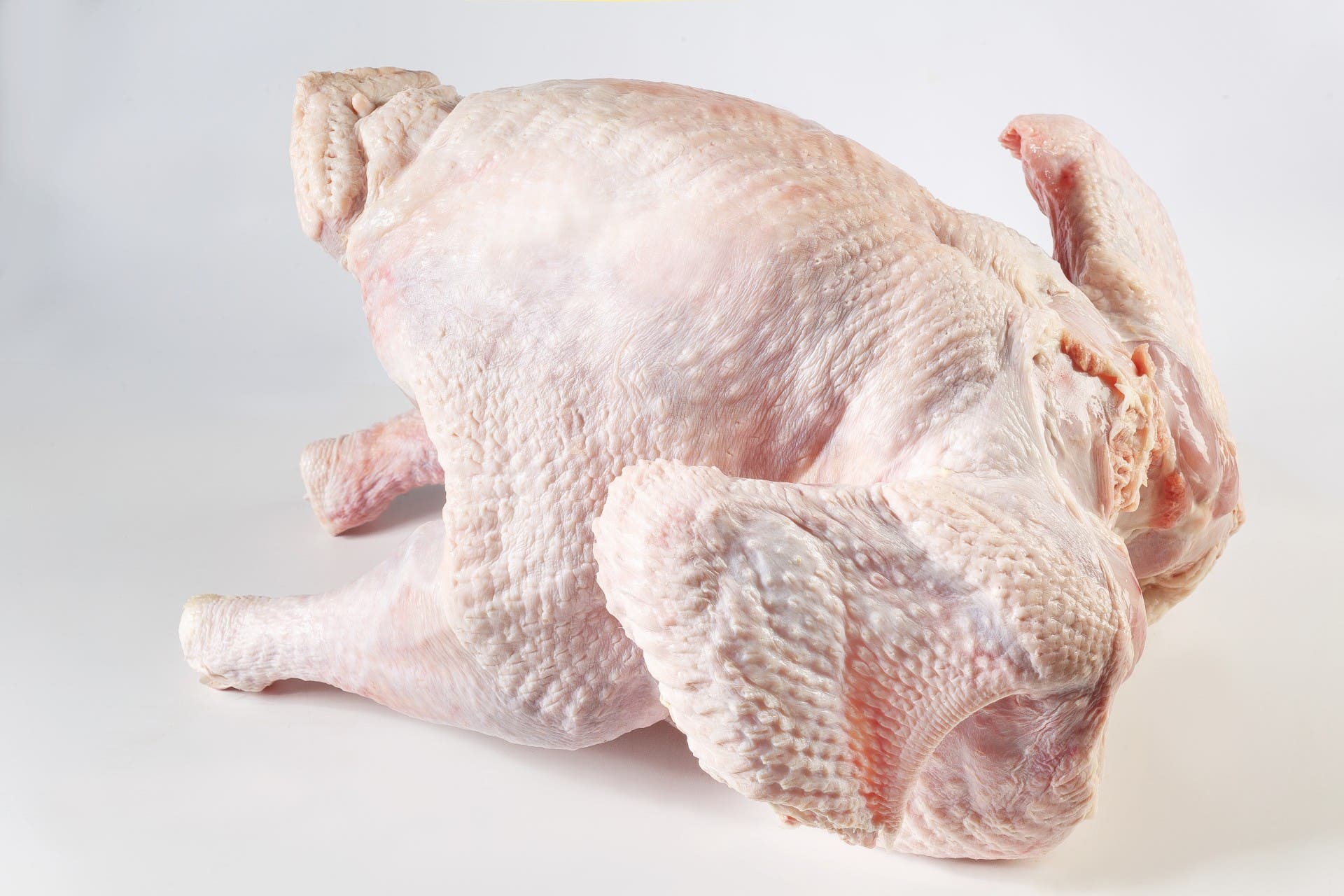
What to do with Thanksgiving leftovers has been a dilemma through the generations, but few have had a problem quite like the one C.A. Swanson & Sons encountered in 1953.
The Nebraska food company had badly overestimated America’s appetite for Thanksgiving turkey by more than half a million birds.
When the holiday was over, it was stuck with 520,000 pounds of unsold birds. That's 260 tons of turkey, enough to fill 10 refrigerated railroad cars.
Legend has it that Swanson had so much leftover turkey that 10 refrigerated railcars spent their days traveling back and forth between Nebraska and the East Coast to keep 260 tons of birds frozen while executives figured out what to do with them.
It’s a terrific story, although the salesman who told it later admitted the wandering trainload of turkey was a metaphor.
But salesman Gerry Thomas nevertheless helped the company revolutionize history with his idea on what to do with all that turkey.
Why not use compartmentalized trays similar to those used to serve airline meals and package all that turkey with cornbread, peas, and sweet potatoes into a complete frozen dinner?
Swanson introduced its TV Dinner in 1954, charging 98 cents for a meal that could go straight from the freezer to the oven. The company sold about 10 million dinners in the first year.
Who deserves credit for inventing the TV dinner remains disputed, and frozen complete meals existed before Swanson’s version. But there’s no disputing that Swanson turned the concept into a household staple — all because Americans didn’t buy enough turkeys one year.