Politics & Government
New Hampshire Tops KIDS COUNT Rankings For Fourth Straight Year
Ayotte says ranking is a testament to the work officials have done together to support schools and make child care more affordable.

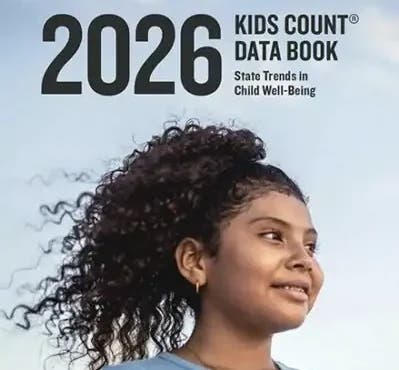
Kids really do count in the Granite State.
That’s the finding of the latest Annie E. Casey Foundation KIDS COUNT Data Book, which ranked New Hampshire the best overall state in the country for child well-being for the fourth year in a row.
Find out what's happening in Across New Hampshirefor free with the latest updates from Patch.
Add it to similar findings over the past 12 months naming New Hampshire the best state to raise a family, the healthiest state in the country, and the best place to have a baby, and the Granite State is looking good.
Gov. Kelly Ayotte, who is seeking a second term this November, was happy to hear the news.
Find out what's happening in Across New Hampshirefor free with the latest updates from Patch.
“I’m proud that New Hampshire once again ranks #1 for child well-being. It’s a testament to the work we have done together to support our schools, make child care more affordable, and protect access to critical services for our kids,” Ayotte said. “I thank the parents, educators, health care providers, state leaders, and everyone who has helped make this possible, and I know we will continue working together to ensure an even brighter future for families in our state.”
The report highlights the key factors that have improved the quality of life for New Hampshire children since 2019, including fewer parents lacking secure employment, more children with health insurance, and fewer teens not in school and not working.
One major factor: New Hampshire consistently has one of the lowest rates of childhood poverty in the country.
While Ayotte is touting the state’s record of success, Democrats are running a campaign arguing it’s time for a change. What exactly do Democrats like Ayotte’s opponent, former Executive Councilor Cinde Warmington, want to change about the state’s policies regarding children and families?
Warmington declined to respond to requests for comment, but in the past she has criticized Ayotte on education and Medicaid funding. For example, Warmington has labeled Education Freedom Accounts — which let parents pick the best school for their children, including private school or homeschooling — a “school voucher scheme that is driving up property taxes and stealing from the pockets of working people to pay private school tuition for rich families.”
Warmington has also hit Ayotte over changes to Medicaid that would require families, particularly those with the highest incomes, to contribute more toward their coverage.
The Democrat has called out “Kelly’s painful increases to Medicaid costs and co-pays on prescription drugs, and that’s on top of her going along with Trump doubling health care premiums.”
New Hampshire ranks among the top 10 states for the lowest rate of families without health insurance.
While the KIDS COUNT report offers a positive view of New Hampshire, the data show signs that the Granite State is losing some ground. More children live in homes burdened with high housing costs, up from 24 percent in 2019 to 25 percent in 2024.
Over the same period, the percentage of fourth-graders who are not proficient readers rose from 62 percent to 64 percent, and the percentage of eighth-graders who are not proficient in math rose from 62 percent to 68 percent.
Most troubling, the percentage of babies born at low birth weights went from 6.4 percent to 6.6 percent, and the number of child and teen deaths went from 19 for every 100,000 children and teens in the state in 2019 to 21 per 100,000 in 2024. Both of these metrics can be addressed through public policy, according to the report.
Low birth weight, which can lead to infant death, developmental disabilities, and other serious complications, can be alleviated through better public health care and more services for expectant mothers.
“Many factors can raise the likelihood of having a low birth-weight baby, such as infections, multiple births, obesity, poor nutrition, poverty, smoking, stress, violence, unhealthy environments and inadequate prenatal care,” the report said.
This story was originally published by the NH Journal, an online news publication dedicated to providing fair, unbiased reporting on, and analysis of, political news of interest to New Hampshire. For more stories from the NH Journal, visit NHJournal.com.