Neighbor News
The Best Horseback Riding Lessons in Concord, NH
How to select the best riding instructor and farm for you or your child.

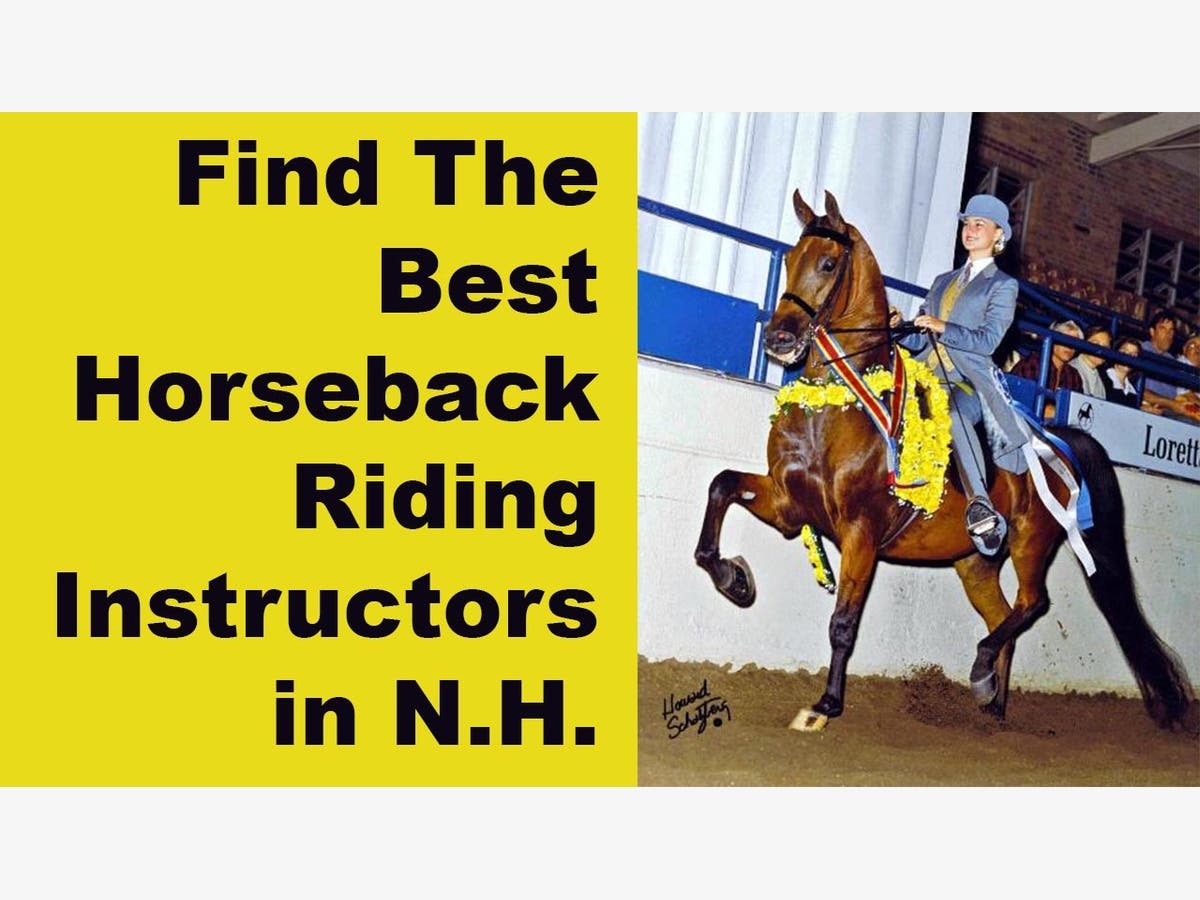
The greater Concord, New Hampshire, region is home to many wonderful horseback riding instructors and trainers. However, if one does not have a lot of experience with horses, knowing who is good and who isn't can be difficult, and choosing the wrong riding teacher can be disappointing, if not dangerous.
So, whether you’re looking for horseback riding lessons for a toddler, a beginner rider, an experienced rider, or just cheap horseback riding lessons, this 10 point checklist will help you in your efforts to choose the best horseback riding instructor for you or your child!
- Make Your Short List: When choosing a riding instructor for your child you want to start by making a short list of 3 or more instructors to visit and interview. On your short list you want to put instructors that you learn about from friends or family, as well as those you have found from doing your own research, such as searches on Google and Facebook.
- Contact: Once you have your short list completed you need to contact potential instructors in order to set up a time for you to meet with them, watch them give a few lessons, and to see the horses and facility. Usually it’s good to plan to visit the instructor’s farm on a Saturday morning, as this is typically a time when lots of kids will be having lessons.
- Responsiveness: When you reach out to the potential instructor does she or he return your phone calls, texts, and/or emails in a timely manner? While you shouldn’t expect them to pick up the phone in the middle of the night, you shouldn’t have to wait a week before you hear back from them, either. Usually it’s reasonable to expect them to get back to you within 24 hours.
- Attitude: When you are communicating with the potential instructor do you find her or him to be pleasant and helpful when you first connect? Does she or he answer your questions fully and in a way that makes you feel like you’ve been treated well? If yes, excellent. If no, that’s a big negative for that instructor.
- Facility: When you go to meet the potential instructor for the first time does the facility look safe and neat? It doesn’t have to be fancy (though fancy is not a bad thing), but it should, at least, be in good repair and there should be a level area with smooth footing for riding, and a clean barn with good ventilation and good lighting. The barn area should be swept and/or raked and cobwebs should be virtually nonexistent.
- Horses: The horses at the potential instructor’s farm should look happy and relaxed. They should be well fed, without being overweight, and have shiny, clean coats with well groomed manes and tails. Their ears should be up most of the time, and they should stand quietly in their stalls or in the wash stall when they are being prepared for riding. Kicking, biting, rearing, and running away are signs that the horse is unhappy or poorly trained.
- The Clients: While at the potential instructor’s facility you should make a point of evaluating the other clients there. Are they friendly and open and happy? Do they have good things to say about the potential instructor? Do the children who are riding there seem happy and safe?
- The Clothes: There are a few “rules” about what clothes one should wear when riding. Rule #1 is that all riders should wear shoes or boots that have a hard sole (not shoes, like sneakers, which have soft soles) and a small heel (around 1”). Rule #2 is that riders should wear long pants when riding. This helps keep the riders’ legs from getting chaffed due to the friction of the saddle. Rule #3, all riders under age 18 should wear a hard hat. The hard hat will help protect the riders’ head in case of a fall or kick from the horse.
- The Lessons: Does the instructor have a good rapport with her or his students? Is there a lot of laughter and smiles, as well as a lot of interesting activity? Do the riders just ride in circles around the outside of the arena, or do they get to practice their skills by coming “off the rail” and riding in smaller circles, around orange cones, barrels, over cavaletti (poles on the ground), etc.? Usually, though not always, the more activities offered during the lesson the better. For beginning riders, are they being taught 1-on-1 (which is what you want) or are they in a group (a far less safe and so less desirable option).
- The Pricing: Because most horse farms post their rates, including the cost of riding lessons, on their websites, you can generally do a Google search to determine the going rate for riding lessons in your area. Most riding instructors charge similar rates so this isn’t usually much of a differentiator, but it is important that you know what the going rate is in your area so you can be sure you’re paying a reasonable amount.
So, that’s about it for the basics of how to pick a riding instructor for your child. While this is a good overview, there is a good chance you will still have questions. Feel free to reach out to us here at Equine Experts (http://www.equineexperts.com) if you need some 1-on-1 advice. Also, check out our YouTube video that covers the 10 points on our checklist: