Health & Fitness
Local Government Center vs. Bureau of Securities Regulation
Facts, motives and ethics.
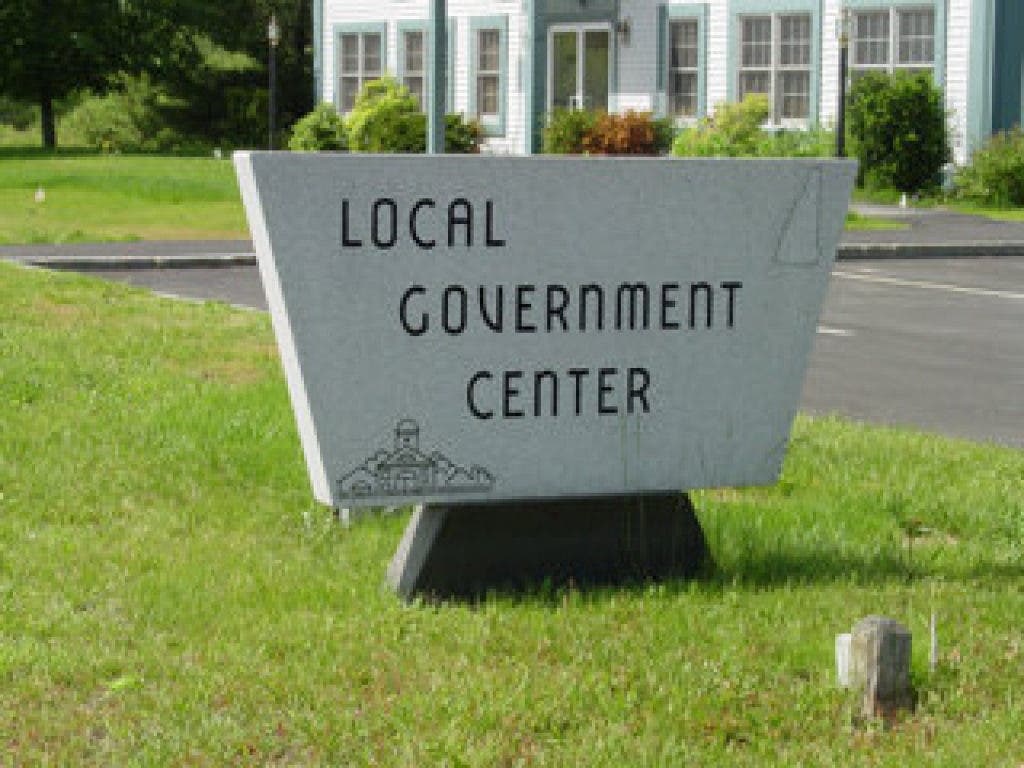
The Local Government Center and the State of New Hampshire’s Secretary of State’s Office represented by the Bureau of Securities Regulation Administrative Hearing
I’ve been spending my time following the Local Government Center’s (LGC) hearing. I find the hearing fascinating in a number of ways. Fortunately for us in New Hampshire these types of events don’t come along all that often. Similar to the Supreme Court’s Chief Justice David Brock’s impeachment, I feel this is a significant event. And there is the human element to the proceedings. Regardless of the findings by the hearing officer there are also issues of motivation and behavior.
Here’s how I’ve decided to view this hearing. What are the facts or charges, can we determine motivation and was their behavior ethical. While I feel that motivation isn’t necessary to determine culpability it can often shed light on why people decide to act in a certain manner. In this case there is a good case to made that motivation to protect their business from a former employee turned competitor, may have been the impetus for at least some of the LGC’s actions. And ethics. Did they realize that they were potentially breaking New Hampshire Statutes to protect their business or do they believe their actions were motivated by a desire to provide a more efficient, customer friendly and less expensive product for their members.
Find out what's happening in Concordfor free with the latest updates from Patch.
Now as I get started let me say this is a serious hearing. Lots of lawyers, paralegals and clerks. Thousands of pages of exhibits and depositions. A potential liability of $100 million dollars for the LGC. And a reported $2 million in hearing costs.
While there are numerous charges brought by the Bureau of Securities Regulation (BSR) related to this hearing, there are three issues that attract my interest. First did Health Trust violate the dictates of a New Hampshire RSA, that states all surplus must be returned to member groups. Second did the LGC’s Health Trust break the law when they transferred funds to the New Hampshire Municipal Association (NHMA), who in turn transferred that money to LGC’s worker compensation risk pool. And third did LGC rationalize unethical behavior to protect their business.
Find out what's happening in Concordfor free with the latest updates from Patch.
All the facts or charges can be found on the Secretary of State’s website http://sos.nh.gov/ Click on Securities Regulations and then click on Securities Home Page from the pull down menu. As I mentioned above, RSA 5-B:5 Section 1c states: “...Each program shall: Return all earnings and surplus in excess of any amounts required for administration, claims, reserves, and purchase of excess insurance to the participating political subdivisions.” So here’s the rub, do we except Health Trust’s explanation for not returning the funds. Using them to stabilize or mitigate future rate increases. Or did Health Trust have an obligation to return those funds to their members. While on the surface it appears obvious that the funds should have been returned there is very little guidance in the RSA as to how those funds need to be returned.
Listening to the lawyers and looking at other States it appears that there are thre options that the surplus can be utilized for. Capital or administrative projects, rate stabilization or returning the funds to member groups. What I don’t know about the other States is if their Statutes spell out those options or like Heath Trust did they just assume it was okay.
My second issue is more problematic because this is where motive comes into play. Between 2004 and 2010 Health Trust gave (recently defined as a loan) a total of $17.1 million dollars to the NHMA to be used to stabilize LGC’s workman’s compensation risk pool. Here’s where it gets really interesting. The LGC had a workman’s comp pool prior to 1981, however the person managing that risk pool left LGC and formed his own company. To be competitive with Primax, The Local Government Center found it necessary to subsidize their workman’s comp risk pool. They did this by transferring funds from a number of their other risk pools, the bulk of which came from Health Trust. Remember that these funds first went to NHMA before being redirected to the worker comp pool.
Also during this time the LGC was reorganizing. Here’s that motivation thing again. I have to ask what was the impetus for the reorganization. Did the LGC reorganize and reestablish their worker comp risk pool to provide one stop, more efficient and less expensive services and products for their members benefit. Or did they do this to stave off competition from Primax and protect their huge share of the market with Health Trust.
When we hear about internal conversations regarding the LGC’s former employee it isn’t a stretch to conclude that revenge was a motivating factor. Primax had built up a $70 million reserve, twice as large as LGC’s. Primax was using that reserve to price their workman’s comp product below that of LGC’s. In addition to this Primax was poised to go after LGC’s Health Trust members using their reserve to undercut LGC.
At this time Health Trust had a $35 million reserve and decided it needed (wanted) to double that to $70 million. (By 2009 that reserve/surplus had grown to $79.5 million.) So was LGC a financially healthy company with a $35 million dollar reserve or did they need $70 million to protect against future claims and unexpected expenses. Or did they up their reserve to stay competitive with Primax
I still haven’t talked about what is and isn’t a surplus. Suffice it to say the BSR says it is $100 million and it should be returned. But again there’s little guidance from the RSA. What I do know is that $17.1 million was transferred to the workers comp pool and I believe that money can be considered a surplus.
Can reserves only be used to protect against losses? Can surpluses be used to remain competitive or undercut a competitor? Can reserves be transferred from one trust to prop up another trust? Does that reserve become a surplus if it is moved to another trust? Sometimes the answers seem obvious. Sometimes not so much.
There’s a lot more to this story. More facts (the whole securities thing), more motivating factors and more concerns regarding lapses in judgement. I have my thoughts on who is culpable, but I’m going to let this play out, before I pop off. Also that ethics thing, I’ll let you come to your own conclusions for now. I’ll try and continue to keep you posted without muddling the facts too badly.
Here are two websites for more info:
The Secretary of State’s that I gave above http://sos.nh.gov/
and The Local Government Center’s site www.nhlgc.org/index.asp