Neighbor News
Washburn: Concord Budget Writers Contain Another BHICA Moment
Laugh-In Gave Us a "Sock It To Me"segment as does the proposed city budget
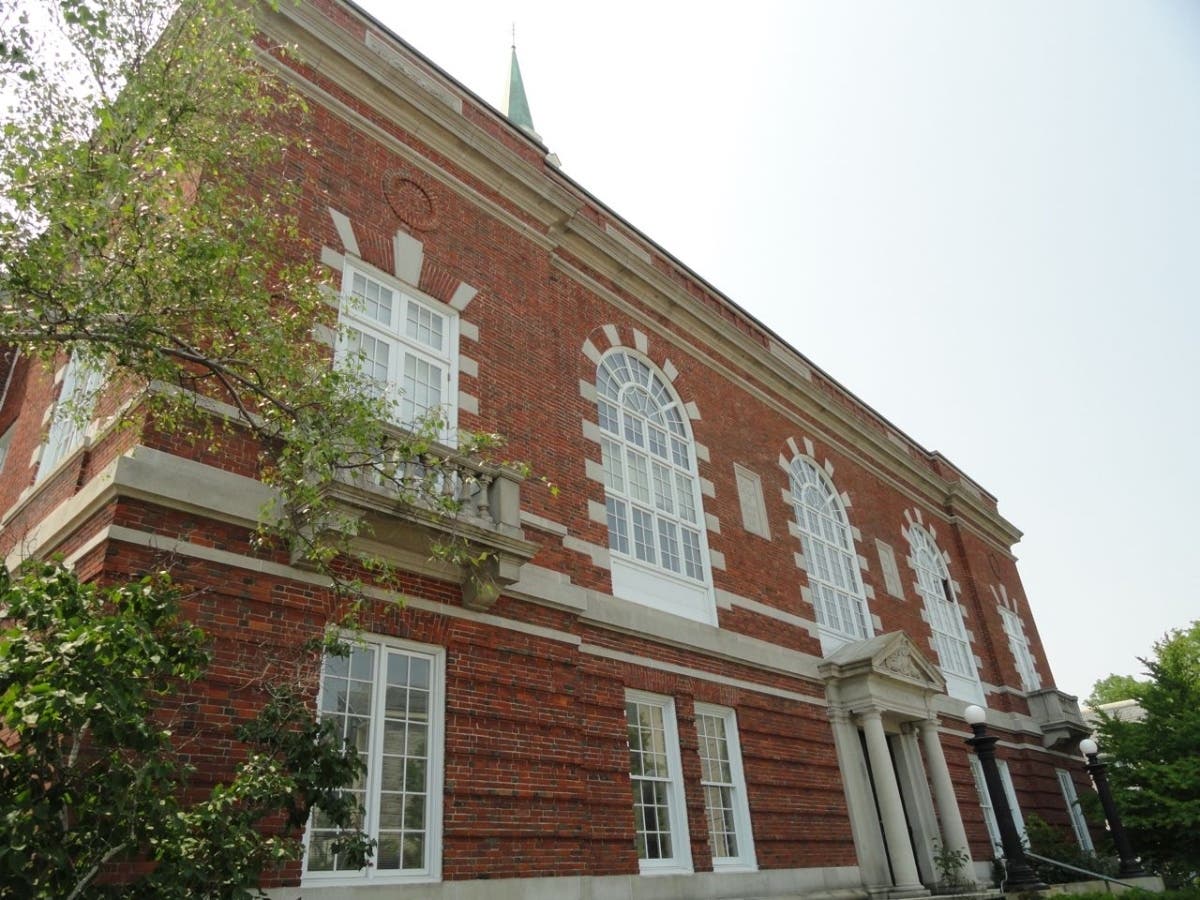
Just when you thought it was safe to go back in the water, city hall sharks are actively circling around targeting sewer and water rate payers to fund expanding residential development on the Heights.
City water is an award-winning water supplier who supplies great tasting water to Concord residents except to city hall who is serviced by Crystal Springs. The Clean Waters Act which took effect during the Nixon administration in 1972 recognized the importance of water. Prior to the Act communities would take their water up stream and deposit their sewage downstream. The Merrimack River at that time was an open sewer. Today is a class B river and a potential source for water for Concord.
Leading up to the council policy decisions three important announcement have been made questioning who is in charge of policy making decisions at the city level. First, the former BAE salesman who is now the Business Administrator for the Concord School District announced that a “deal” had been reached with the city to proceed with the new middle school stating the school district would only have to pay 10% of the costs for infrastructure. There is no recorded vote of the city council to evidence this “deal.” Next came the Bow Times story on how the city had agreed to extend water to Bow Junction which once again proved to be a city council non-starter. Next came the Monitor Way $16.1M infrastructure cost estimate with the developer now asking for a smaller portion to fund a part of the plan.
Find out what's happening in Concordfor free with the latest updates from Patch.
As it now stands if a homeowner has a failed septic system and wants to connect to the city sewer, they must pay for the connection. If an existing homeowner needs to replace the connection between their home and the city line, they have to pay for it.
There is extensive expansion of residential units planned for the Heights which will require expansion of the water and sewer service to accommodate the new users. So, who should pay for the improvements. If the administration has its way it will be up to current users who will assume a majority of the costs while there is no rational nexus between the taxes being collected and benefits to the taxpayers. While there is a state-wide housing crunch, Concord cannot be tasked with filling the need. Developers anticipate significant profits from constructing these units and don’t deserve the cost shift to those who will receive little or no benefit.
Find out what's happening in Concordfor free with the latest updates from Patch.
This will be a crucial policy decision by the city council. Who pays will play an important part in the sustained affordability for current homeowners and business owners. You need to follow this issue closely and let your councilor know your views.